
Although scales change in the world of design, the struggle between imagination and physical space remains the same. Whether designing a building, a neighborhood or a city, the designer tries to place an idea within the unique embrace of topography, context and everyday life.
First, space is analyzed. Then the design in our minds begins to appear through sketches. At the moment when sketches turn into maps, the large sheets spread across an urban planner’s desk and the raw fabric laid out on a tailor’s table ask the same question: how will this surface adapt to a living body?
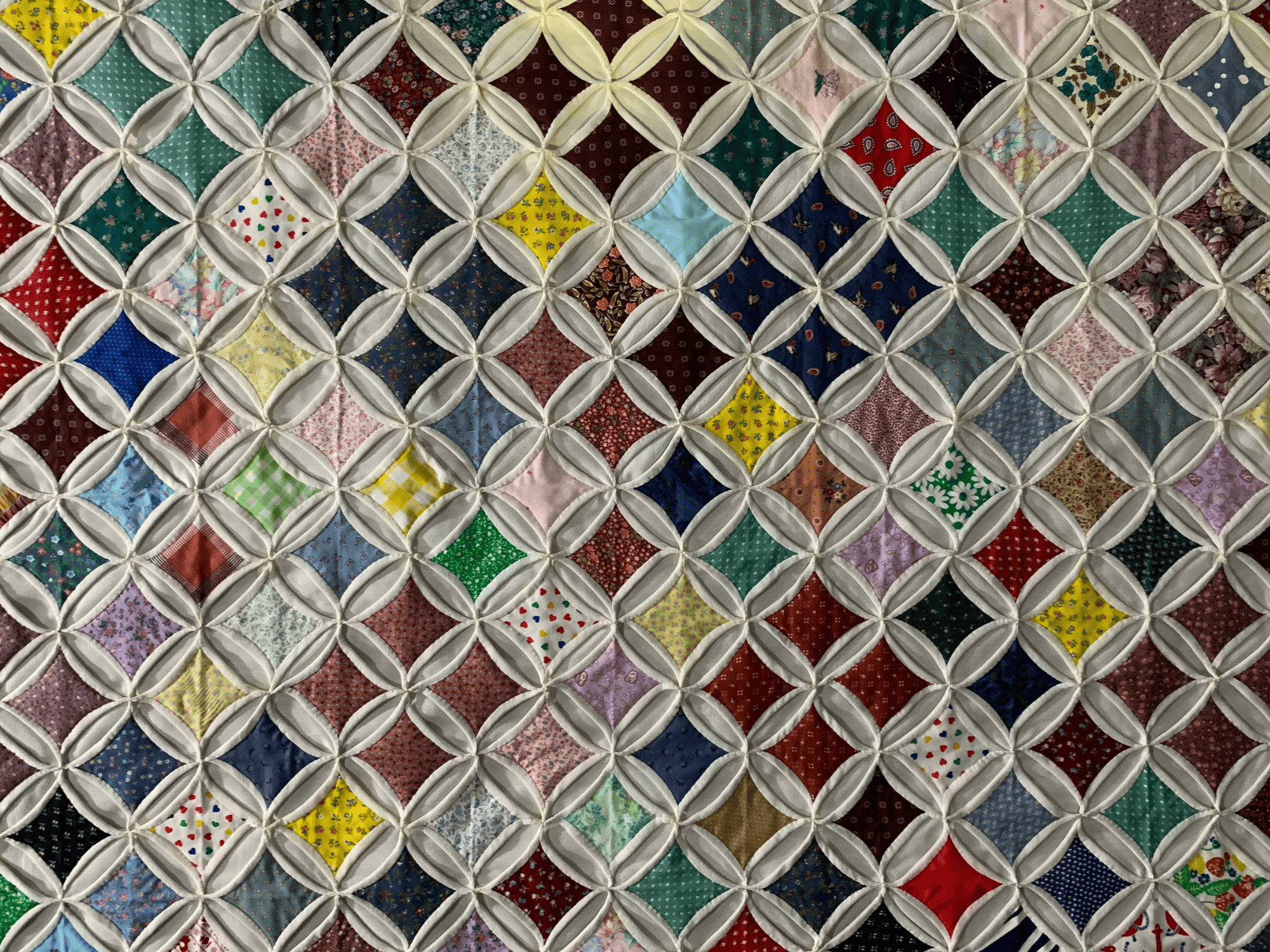
We often imagine the city as a lifeless texture made of asphalt and built mass. Yet the city is a dynamic urban textile, much like the clothes we wear. It stretches, sometimes becomes tight, sometimes hangs loosely and always needs another fitting.
The City as a Garment
When we look at the world map with the precision of a planner, we can see iconic cuts of this adaptation. Paris, shaped by Haussmann’s rational interventions, appears almost like haute couture: disciplined boulevards act as seams that organize the urban body. In this example, the city is not a random ready-made product, but a carefully measured composition.
But no city can be reduced to perfect lines alone. Streets are worn by footsteps, squares are reshaped by gatherings, parks change with seasons and neighborhoods are altered by memory. The real city is always more alive than the plan that describes it.
Planning as Fitting
To design a city is not simply to draw boundaries. It is to test how people move, pause, meet, remember and belong. A good urban plan behaves like a well-tailored garment: it gives structure without preventing movement. It recognizes the body it serves.
When the city is designed without fitting, it begins to pinch. Sidewalks become too narrow, public spaces become too empty, transportation becomes too exhausting and daily life loses its ease. The problem is not only aesthetic. It is social, spatial and emotional.
This is why the city needs rehearsal. It needs observation, correction, participation and time. Each intervention should be understood not as a final stitch, but as part of an ongoing process of adjustment.
The city is not a finished costume displayed on a mannequin. It is a garment worn by millions of people at once. Its value depends on whether it can move with them, carry their memories and make room for their differences.
For this reason, urban design must learn from tailoring: measure carefully, cut responsibly, leave room for movement and never forget the living body inside the fabric.


