
The cities we live in are growing every day. New buildings rise, roads expand, empty spaces are filled and urban boundaries stretch outward. Yet within this growth, an important reality is often overlooked: cities no longer produce. They have largely become places organized around consumption.
Food, one of the most essential parts of daily life, is usually consumed far from where it is produced. The products we see on market shelves reach us after long journeys. The city becomes the final stop of this process, not a place of production but a place of consumption.
Cities Were Not Always Like This
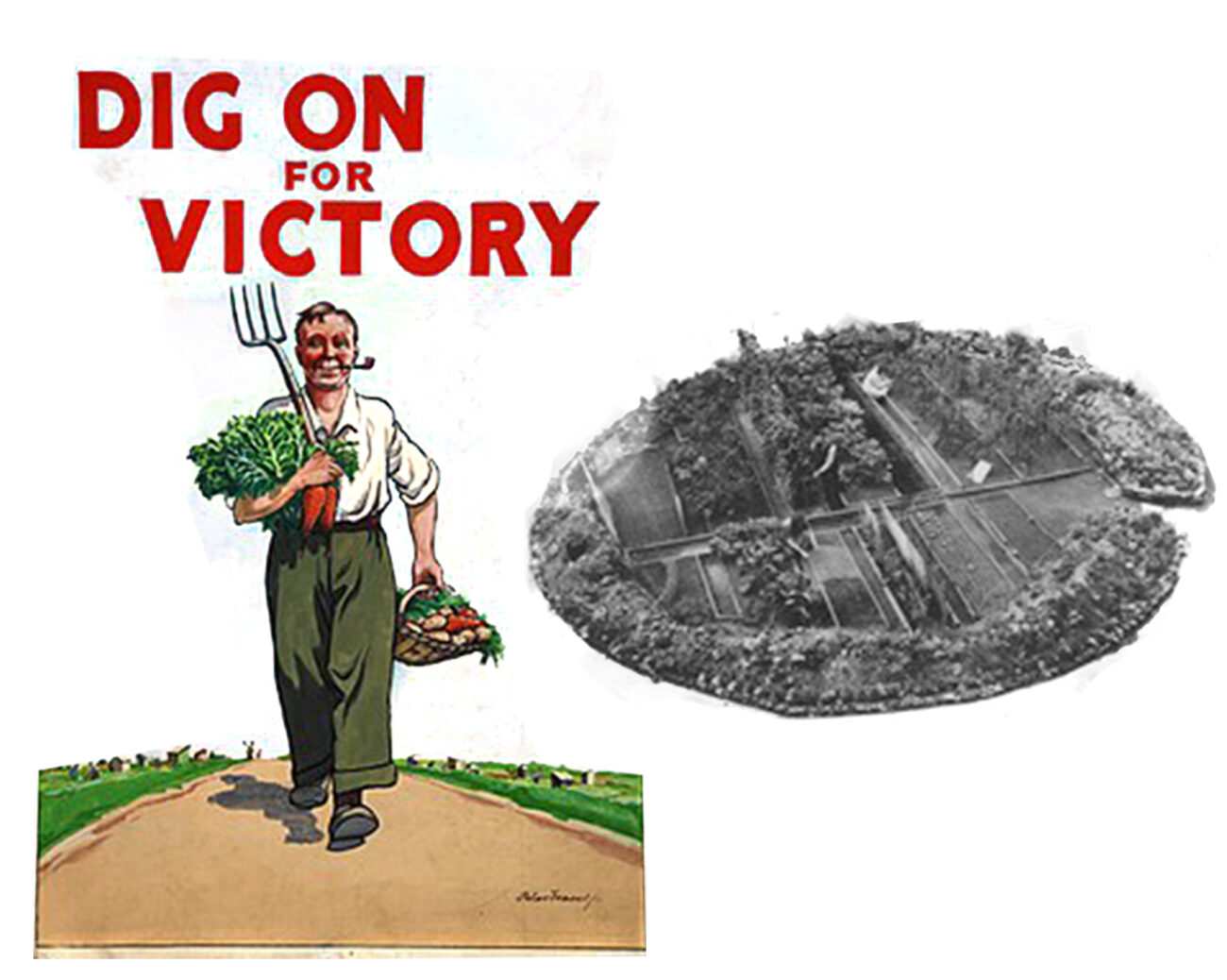
The distance between production and consumption was not always so sharp. For much of human history, settlement and production developed together. Early settlements were directly connected to arable land, water and seasonal cycles. The city was not distant from production; it was part of it.
Industrialization and modern urban planning gradually changed this relationship. Production was pushed outward, while the city center became associated with housing, commerce, administration and consumption. Today this separation creates ecological, economic and social fragility.

Urban Agriculture as a New Possibility
Urban agriculture does not mean turning every square meter of the city into farmland. It means reintroducing production into the urban imagination. Community gardens, edible landscapes, rooftop gardens, school gardens, productive parks and peri-urban farming areas can reconnect the city with food, soil and seasons.
This approach also has social value. It can strengthen neighborhood relations, support food awareness, create educational landscapes and make unused spaces meaningful again. In times of climate crisis and economic uncertainty, the productive city becomes more than an alternative; it becomes a resilience strategy.

Historic examples such as the Hanging Gardens of Babylon or productive garden cultures around old settlements remind us that cultivation and urban life have long been connected. Contemporary examples show that this connection can be redesigned for today’s cities.

The question is not whether agriculture can return to the city, but how it can return in a fair, ecological and well-designed way. Urban agriculture can be a tool for producing food, but also for producing knowledge, community and a more grounded urban culture.


