
Hızlı Git
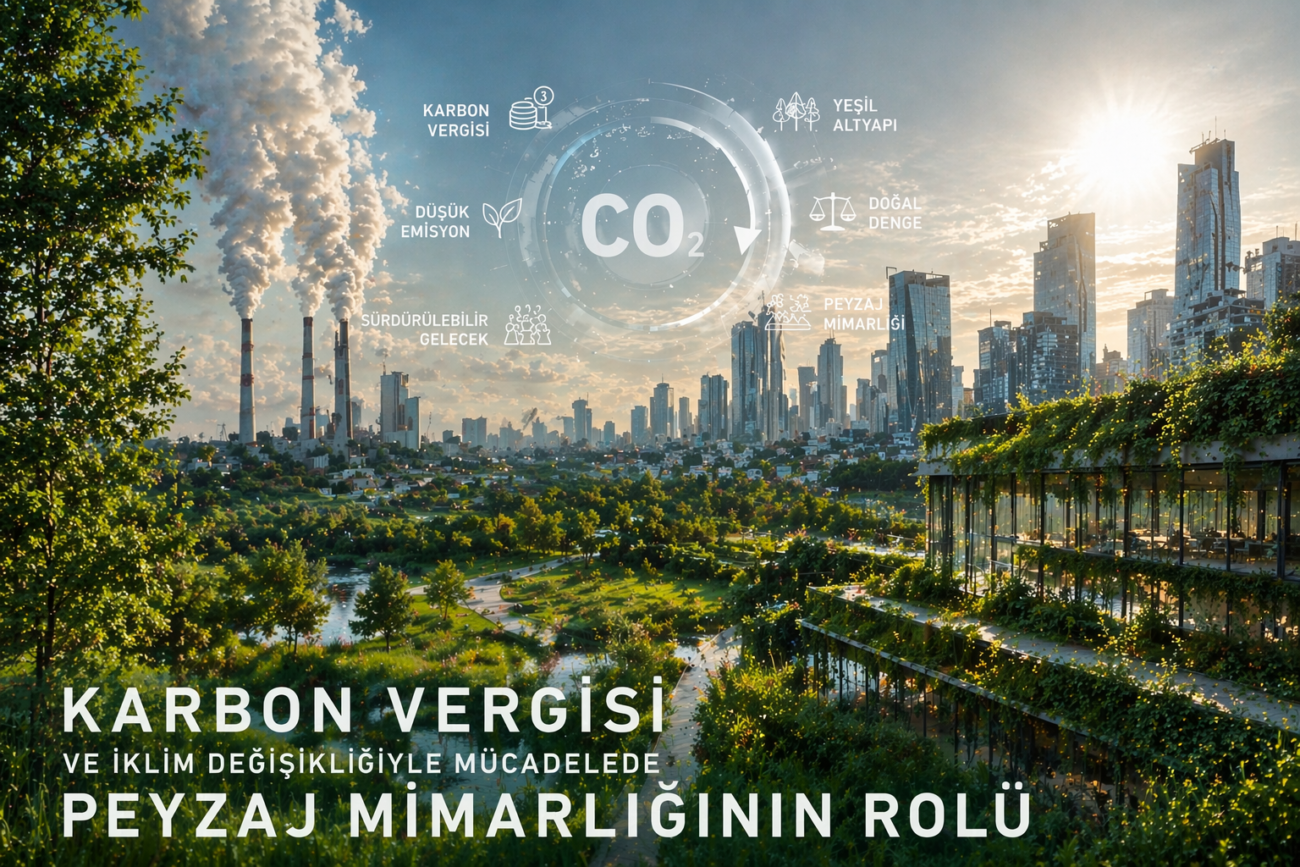
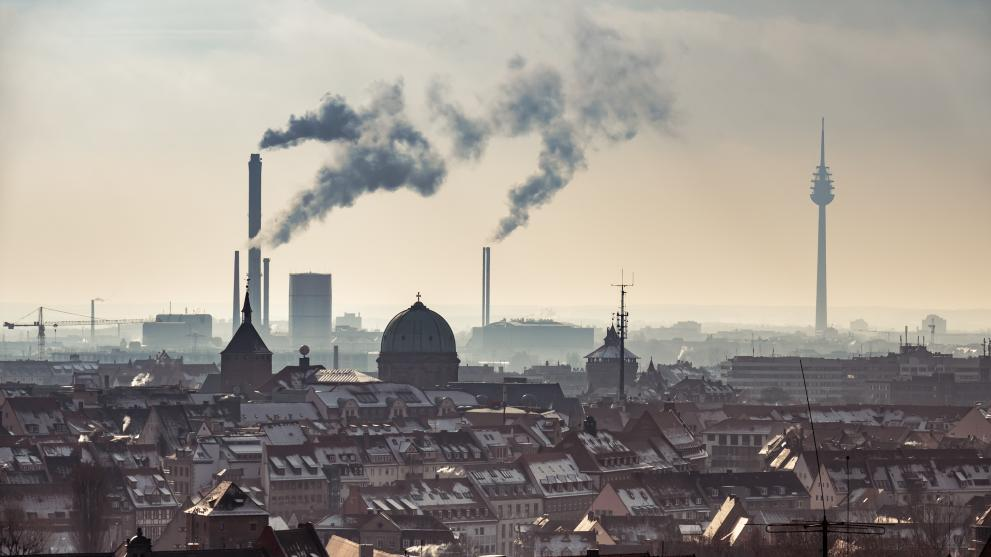
Carbon emissions are no longer merely an environmental issue; they have become an economic cost. Carbon tax is one of the most important tools that directly reflects this cost onto the producer. This situation directly affects how cities are designed and how landscape decisions are made.
Carbon Tax
The main purpose of a carbon tax is to reduce high-emission activities and accelerate the transition to more sustainable alternatives. Reducing fossil fuel consumption, increasing the use of renewable energy, and assigning an economic value to environmental damage are among the primary objectives of this system.
However, the fight against climate change is not limited to economic policies alone. The way urban areas are planned, the materials that are used, and decisions related to planting design are also important parts of this process. At this point, landscape architecture stands out as a discipline that can directly contribute to reducing carbon emissions and balancing existing carbon.

Why Is Landscape Architecture Important?
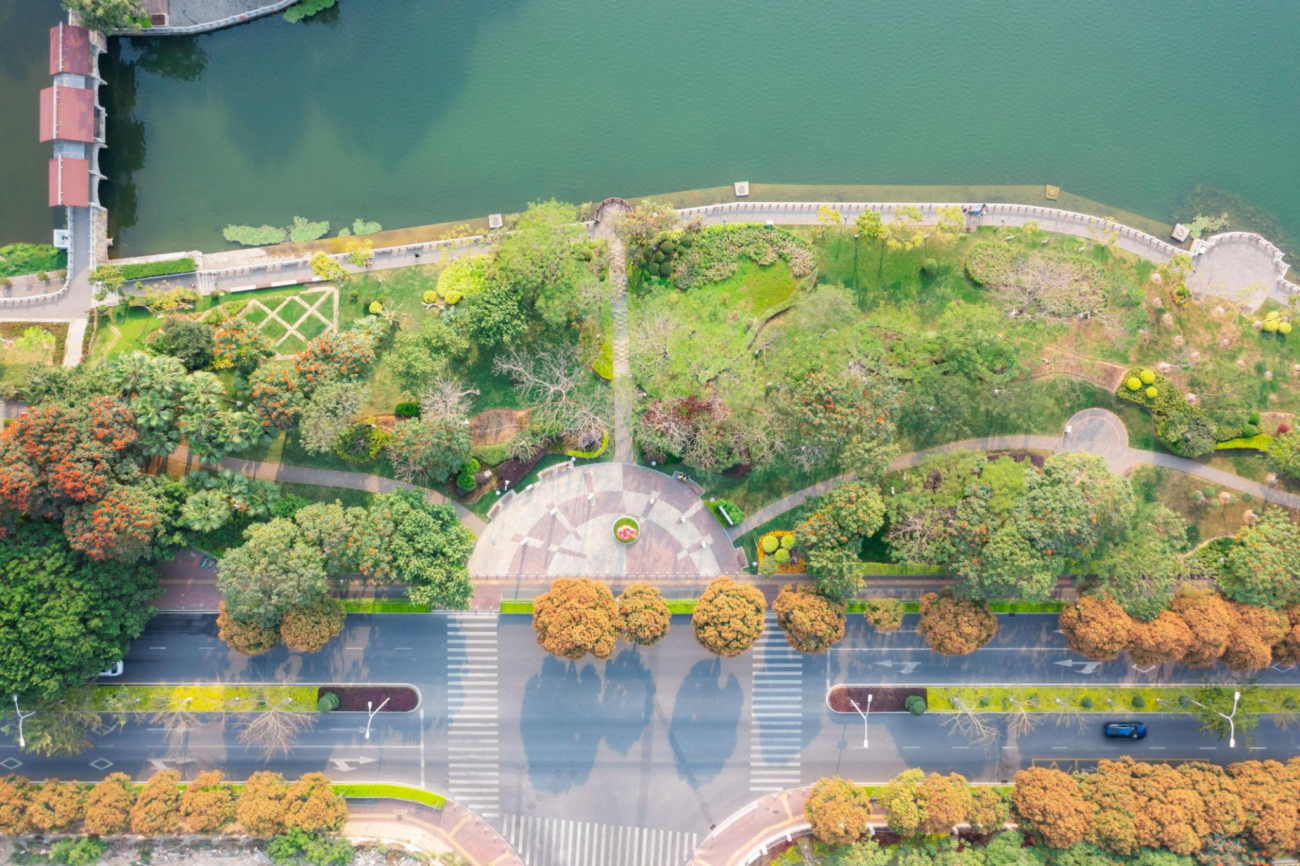
Landscape architecture is often seen as an aesthetic arrangement. Yet every design decision directly affects either the carbon production or the carbon storage capacity of a given area.
Through photosynthesis, plants absorb carbon dioxide from the atmosphere and store it within their structure. For this reason, a well-designed green space does not function as a passive arrangement, but rather as an active carbon management system.
How Can Landscape Architects Reduce Carbon Emissions?
The decisions landscape architects make during design, implementation, and maintenance can significantly alter the carbon footprint of projects. The main approaches that stand out at this point are as follows:
Increasing Carbon Sink Areas
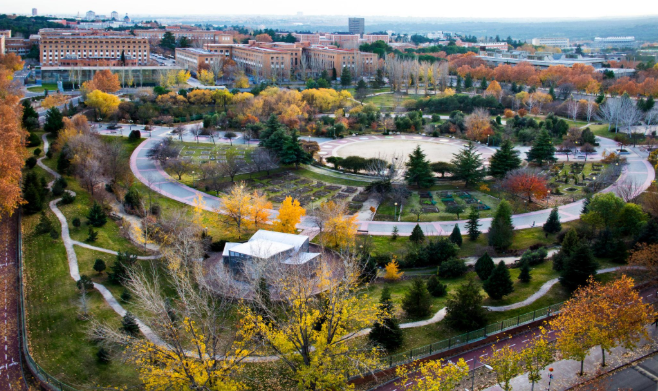
Urban parks, urban forests, and green corridors are among the most effective spaces in terms of carbon storage. During planting design, choosing long-lived species with broad canopies and high biomass potential increases this capacity.
In coastal regions, ecosystems such as wetlands and seagrass meadows also have high carbon storage potential. Protecting and properly managing these areas plays an important role in maintaining carbon balance.

Using Low-Carbon Materials
Materials such as concrete, asphalt, and steel used in landscape projects cause high carbon emissions during production and transportation processes. For this reason, the use of local materials, recycled products, and permeable surfaces is of great importance.
Design Decisions That Improve Energy Efficiency
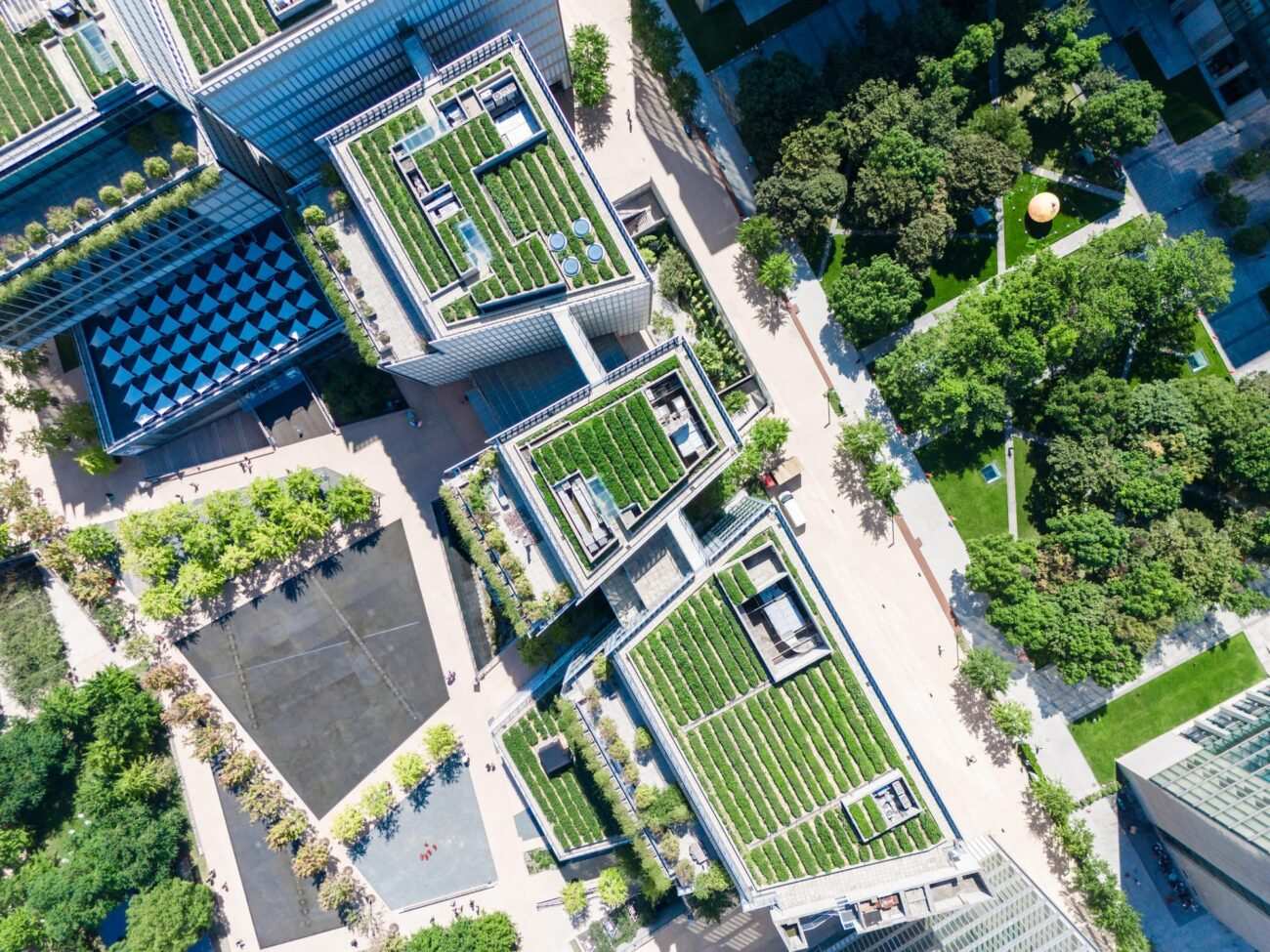
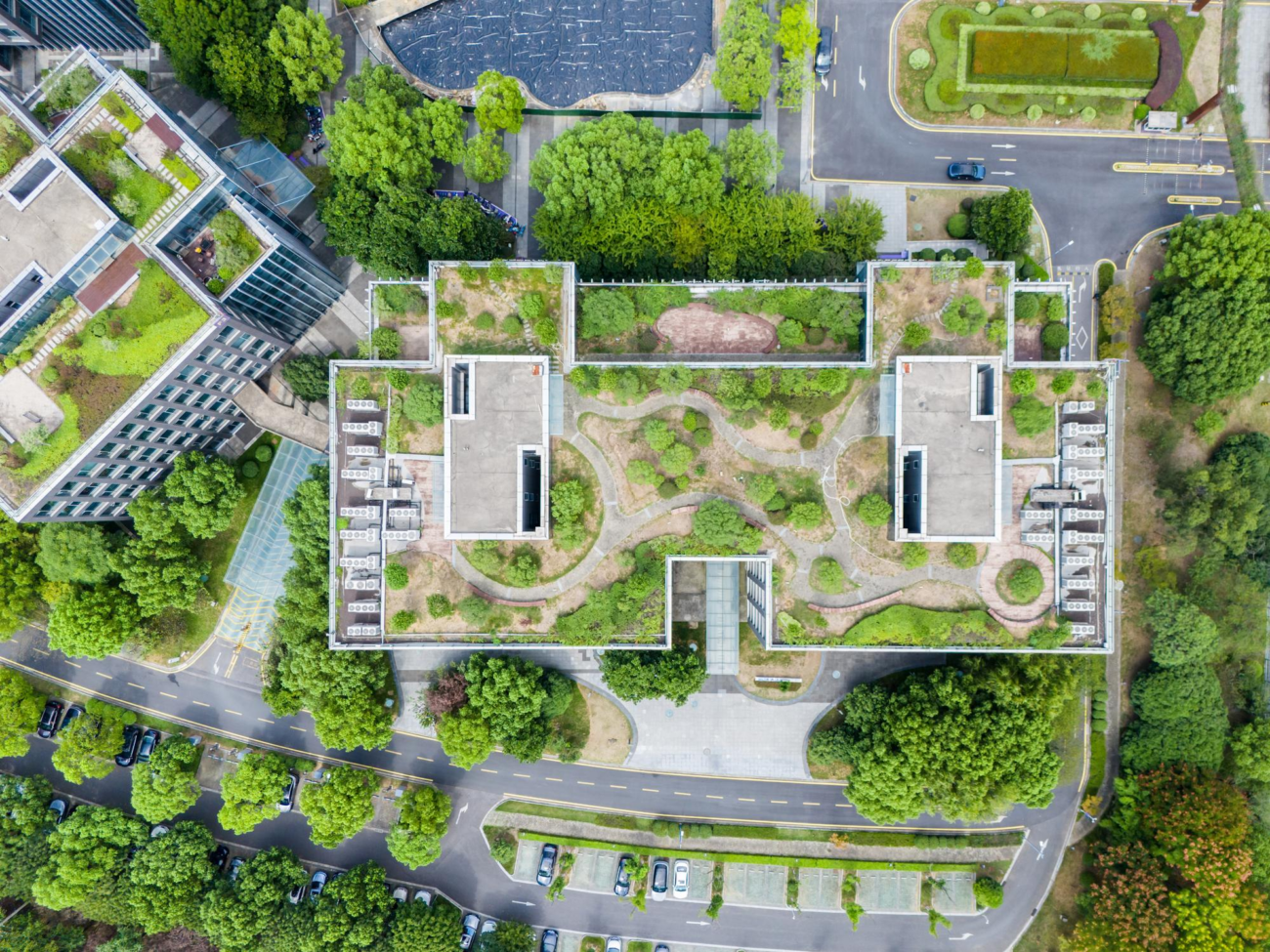
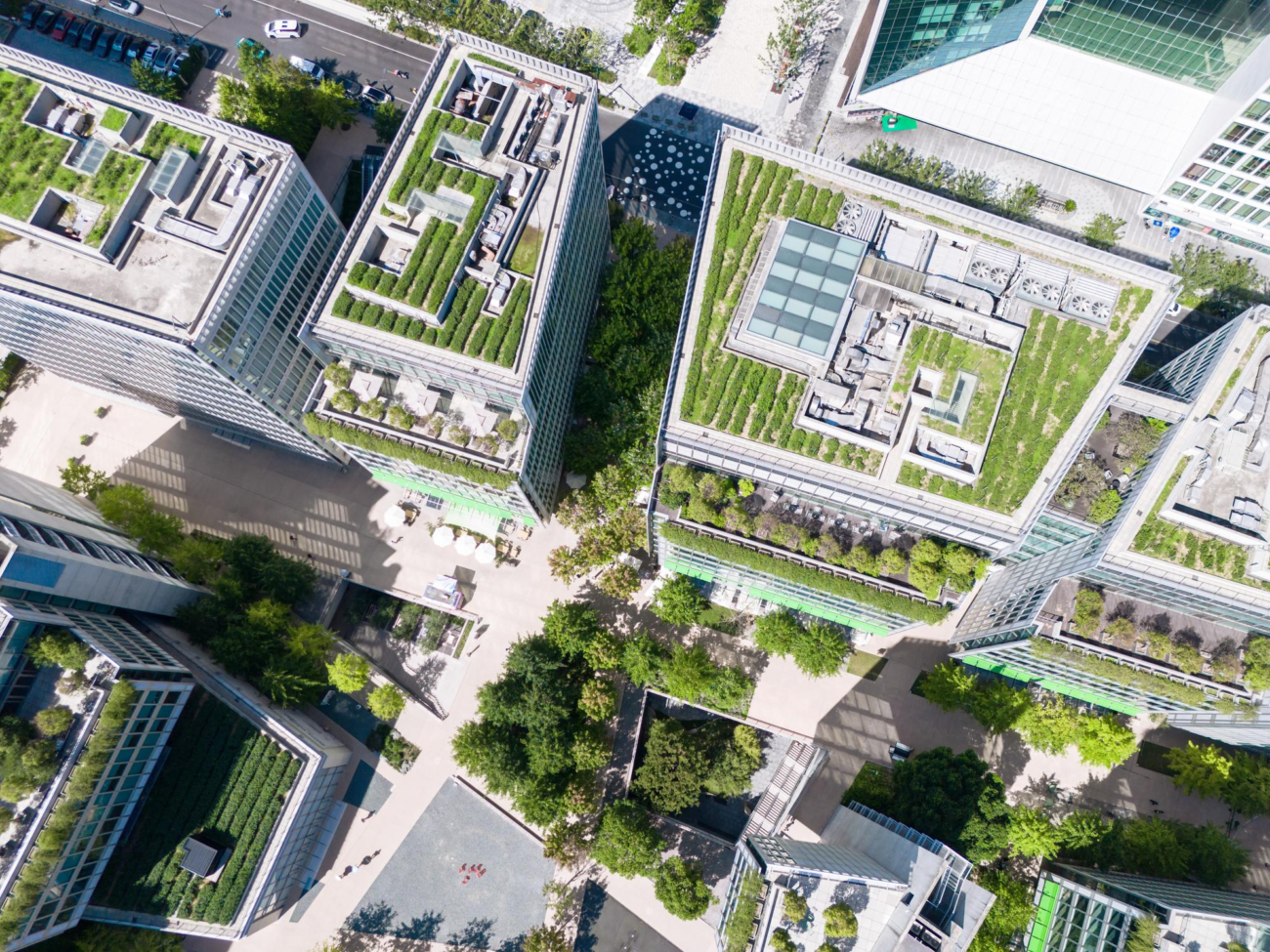
Landscape design can indirectly affect the energy consumption of buildings. Green roofs and vertical gardens can reduce energy demand by improving the thermal insulation of structures.
Likewise, properly positioned trees can lower cooling needs by providing shade in summer, while windbreak planting can reduce heat loss in winter.
Reducing Carbon During the Maintenance Process
The carbon impact of landscape is not limited to the design phase alone. The maintenance process is also an important factor.
Large turf areas require constant irrigation, mowing, and chemical use. This increases energy consumption and indirect carbon emissions. Instead, when xeriscape approaches and native plant species are preferred, maintenance needs decrease.
In addition, intensive soil cultivation activities can cause the carbon stored in the soil to be released back into the atmosphere. For this reason, intervention should be kept to a minimum.
The Future: Carbon-Oriented Landscape Design
Carbon emissions are no longer merely an environmental datum; they have become an economic criterion. As practices such as carbon taxation become more widespread, the environmental performance of projects will become more visible and measurable.
This shifts landscape architecture beyond being only an aesthetic discipline and turns it into an active part of carbon management. In the near future, the value of a landscape project may be assessed not only by its visual quality, but also by how much carbon it stores and how much emission it helps prevent.
Conclusion
The fight against climate change is a multidimensional process, and design decisions have a much greater impact than we often assume. When applied correctly, landscape architecture can create systems that reduce carbon emissions and store carbon.
In this respect, landscape design is not only an aesthetic arrangement, but also an important tool for environmental sustainability and carbon management.
References
- Intergovernmental Panel on Climate Change (2023). Climate Change 2023: Synthesis Report. Geneva: IPCC.
- United Nations Environment Programme (2022). Emissions Gap Report 2022: The Closing Window. Nairobi: UNEP.
- World Bank (2023). State and Trends of Carbon Pricing 2023. Washington DC: World Bank.
- Food and Agriculture Organization of the United Nations (2020). Global Forest Resources Assessment 2020. Rome: FAO.
- American Society of Landscape Architects (2021). Climate Action Plan. Washington DC: ASLA.
- United States Environmental Protection Agency (2022). Green Infrastructure and Climate Change Benefits. Washington DC: EPA.
- European Environment Agency (2021). Nature-based Solutions in Europe: Policy, Knowledge and Practice for Climate Change Adaptation and Disaster Risk Reduction. Copenhagen: EEA.
- International Federation of Landscape Architects (2022). Climate Positive Design and Landscape Architecture Report.
- United Nations (2020). World Cities Report 2020: The Value of Sustainable Urbanization. Nairobi: UN-Habitat.
- Organisation for Economic Co-operation and Development (2021). Effective Carbon Rates 2021: Pricing Carbon Emissions through Taxes and Emissions Trading. Paris: OECD.


