

Hızlı Git
Not every plant is as cute and innocent as it looks. In this article, we researched toxic indoor plants that should be kept away from children and pets.
Toxic Houseplants
Many plant species are harmless, but some are toxic. Sometimes, those plants can be the ones closest to us. Even though the number of toxic plants we commonly keep at home is quite high, we compiled the ones we use most often for you.
DIEFFENBACHIA (Dieffenbachia camilla)
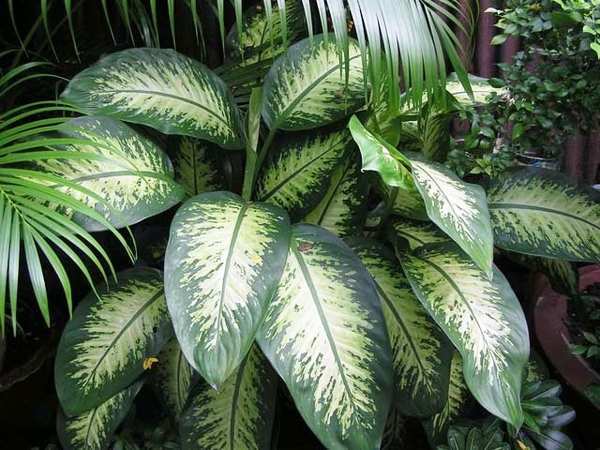
Dieffenbachia is one of the easiest indoor plants to care for. It is preferred quite often because of its elegant look and fast growth. Since it releases excess water from the leaf tips like tears, it is also known as the “Crying Flower.” However, this plant can also be quite harmful. If its leaves or roots are eaten, the palate may swell and burn, and the person may not be able to speak for a while. Because of this effect, it is also known locally by a nickname similar to “mother-in-law’s tongue.” It can be fatal for budgerigars. If the leaves are eaten, it can shut down the respiratory system and the animal may die. It should be kept away from animals.
SNAKE PLANT (Sanseviera trifasciata)
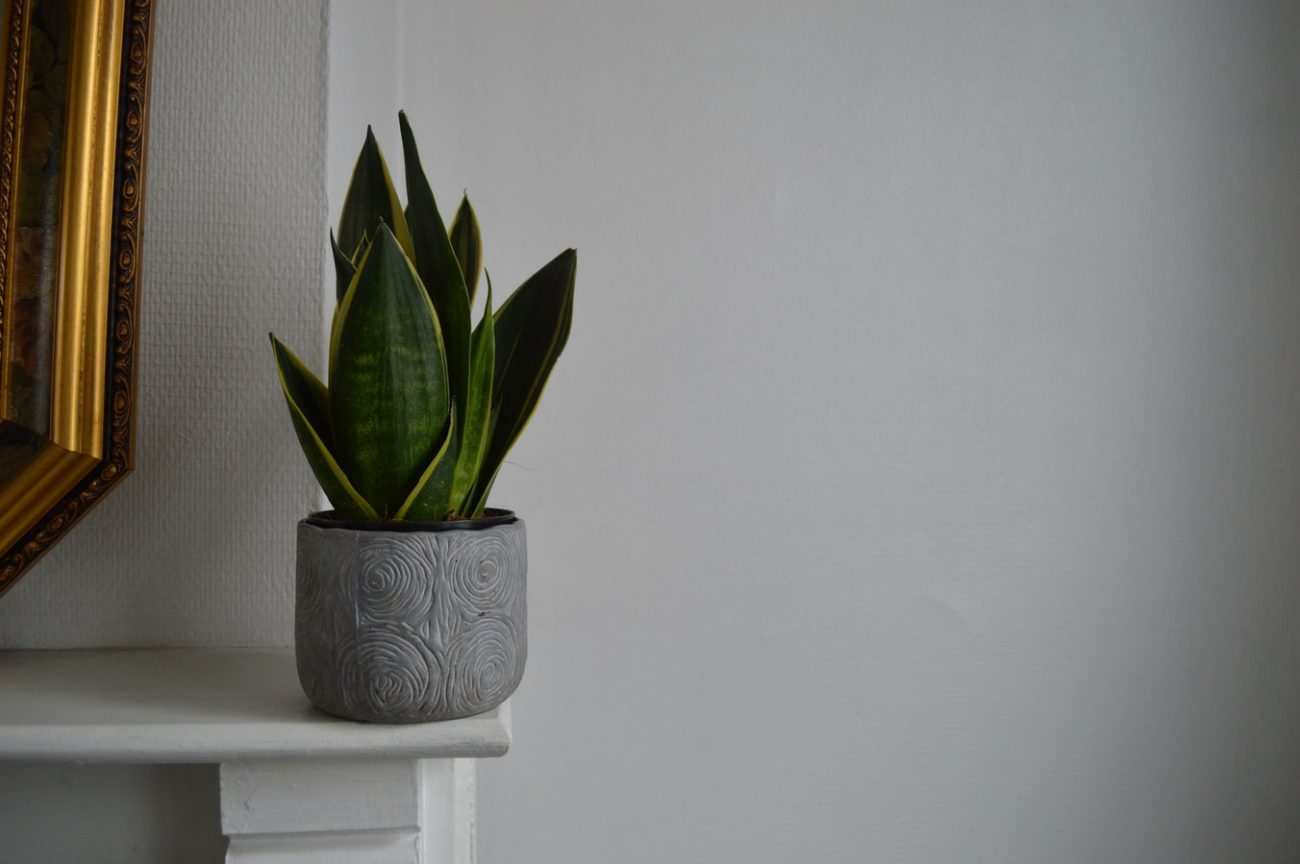
Also known as “Prophet’s Sword,” this plant likes bright corners. Since its leaves are said to contain toxic gases, it is not recommended for adult or children’s bedrooms. If swallowed accidentally, it can cause burning in the mouth, irritation, and nausea. Although less common, it can also cause irritation on sensitive skin. In animals, it shows itself with side effects such as diarrhea, nausea, and excessive drooling. It should be kept away from children and pets.
JONQUIL (Narcissus jonquilla)
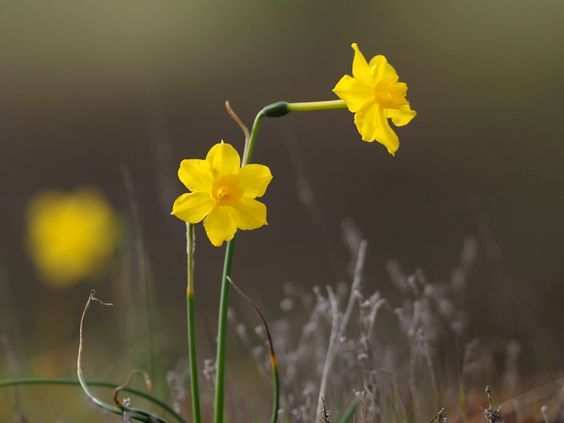
The jonquil, whose name is sometimes associated with “being so beautiful it can even harm itself,” is also known as the “Love Flower.” Blooming with white and yellow flowers around April and May, it is a perennial ornamental plant. Its bulbs can be reused after resting for a year. However, since it belongs to the daffodil family, you should not be deceived by its pleasant scent and appearance. If the plant is ingested, it can cause severe abdominal pain strong enough to trigger vomiting and diarrhea. In people with high blood pressure, it can also lead to serious palpitations. For this reason, when choosing where to use it, it is important to consider children and pets.
HYACINTH (Hyacinthus orientalis)
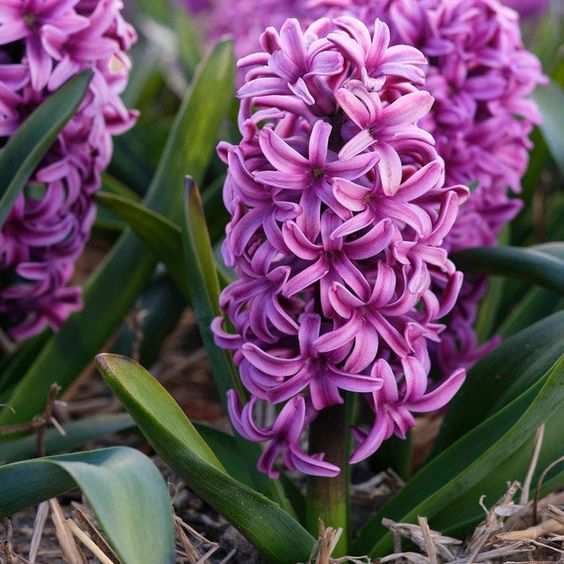
This beautifully scented plant is one of the most preferred ornamental plants for indoors because it is hardy enough to stay upright in many seasons and is easy to care for. When ingested, hyacinth shows similar side effects to daffodils. It may cause nausea and stomach cramps. It should be kept away from pets and children.
DRACAENA (Dracaena marginata)
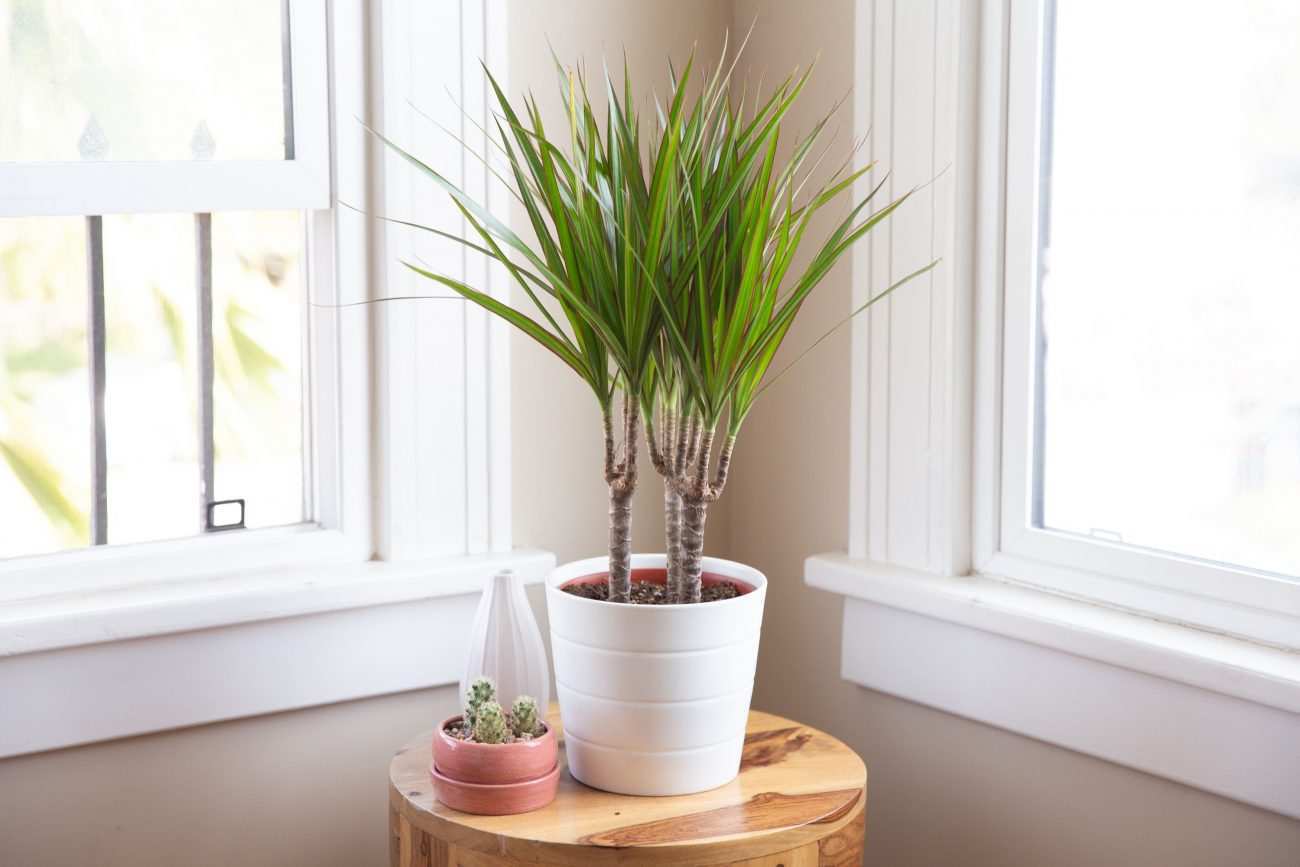
This tropical plant, which is tolerant of drought and shade, is also used very frequently indoors. When eaten by cats and dogs, its leaves can trigger vomiting. If a small amount is eaten, the animal may recover on its own. But if the amount is excessive, it can cause abdominal pain and kidney problems. The place where the plant is used should be away from pets.
PEACE LILY (Spathiphyllum wallisii)
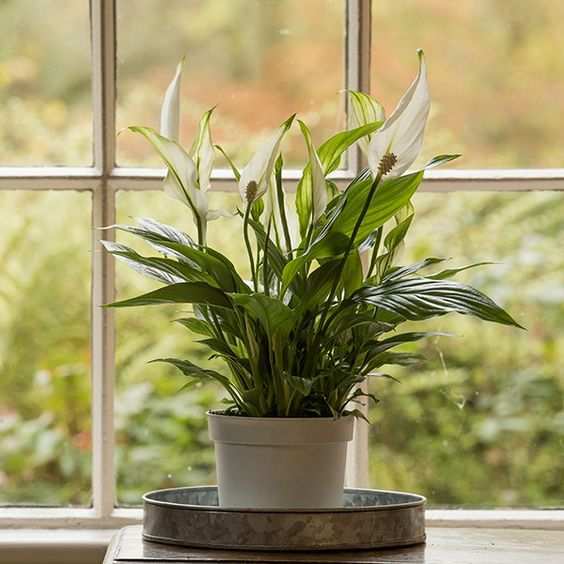
With its white, eye-catching flowers, this plant is relatively more “innocent” than the others we mentioned. It likes high humidity and its leaves produce a large amount of calcium oxalate. If the leaves are eaten, it can poison a person. It should be kept away from children.
ALOE VERA (Aleo barbadensis)
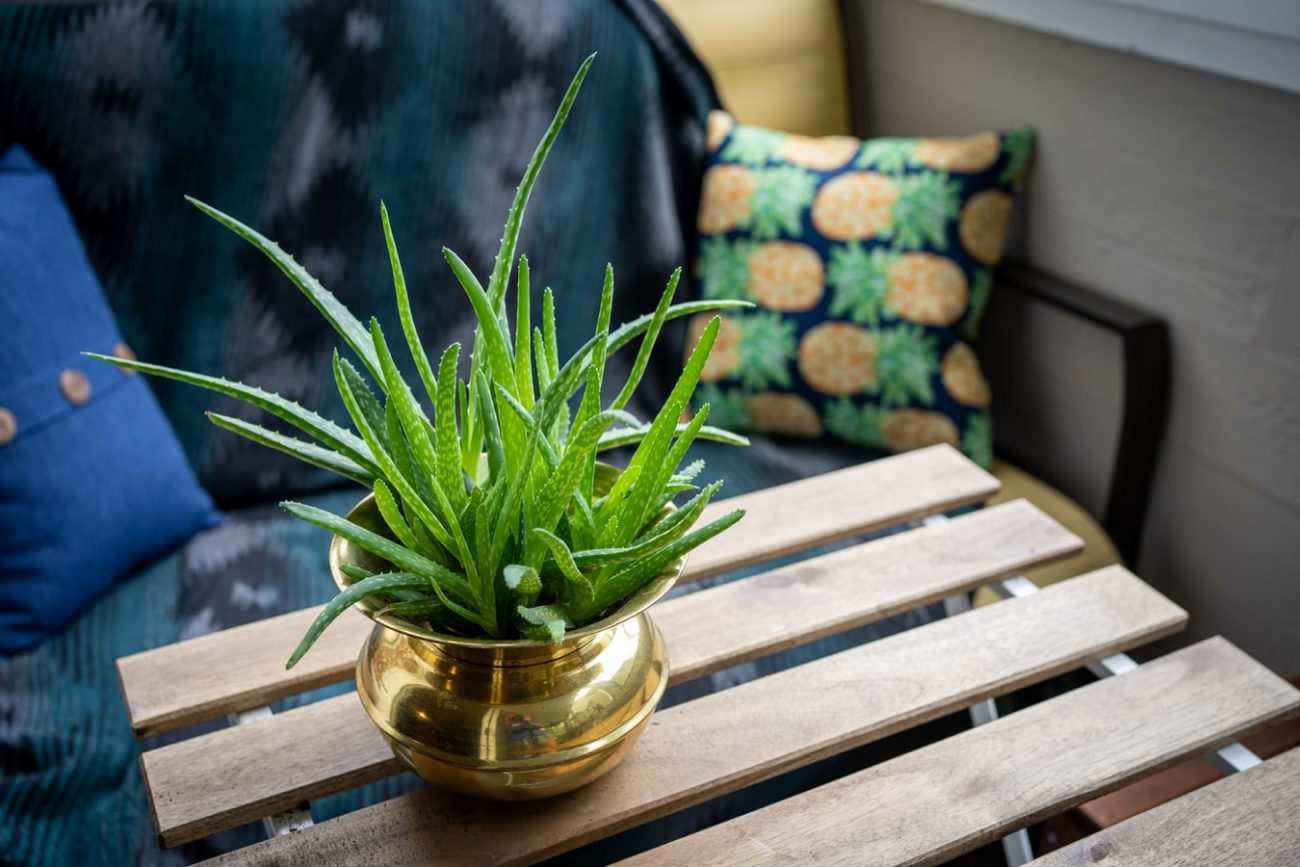
In recent years, this popular plant has found a place in many homes. It may have many benefits, but it also has harms. The leaves can cause abdominal cramps and diarrhea. If eaten in high doses, it can permanently affect the kidneys. In pregnant women, it may cause miscarriage. Also, when applied directly to the face without any processing, it can cause irritation in sensitive skin, so it should be used carefully.
CYCLAMEN (Cyclamen persicum)
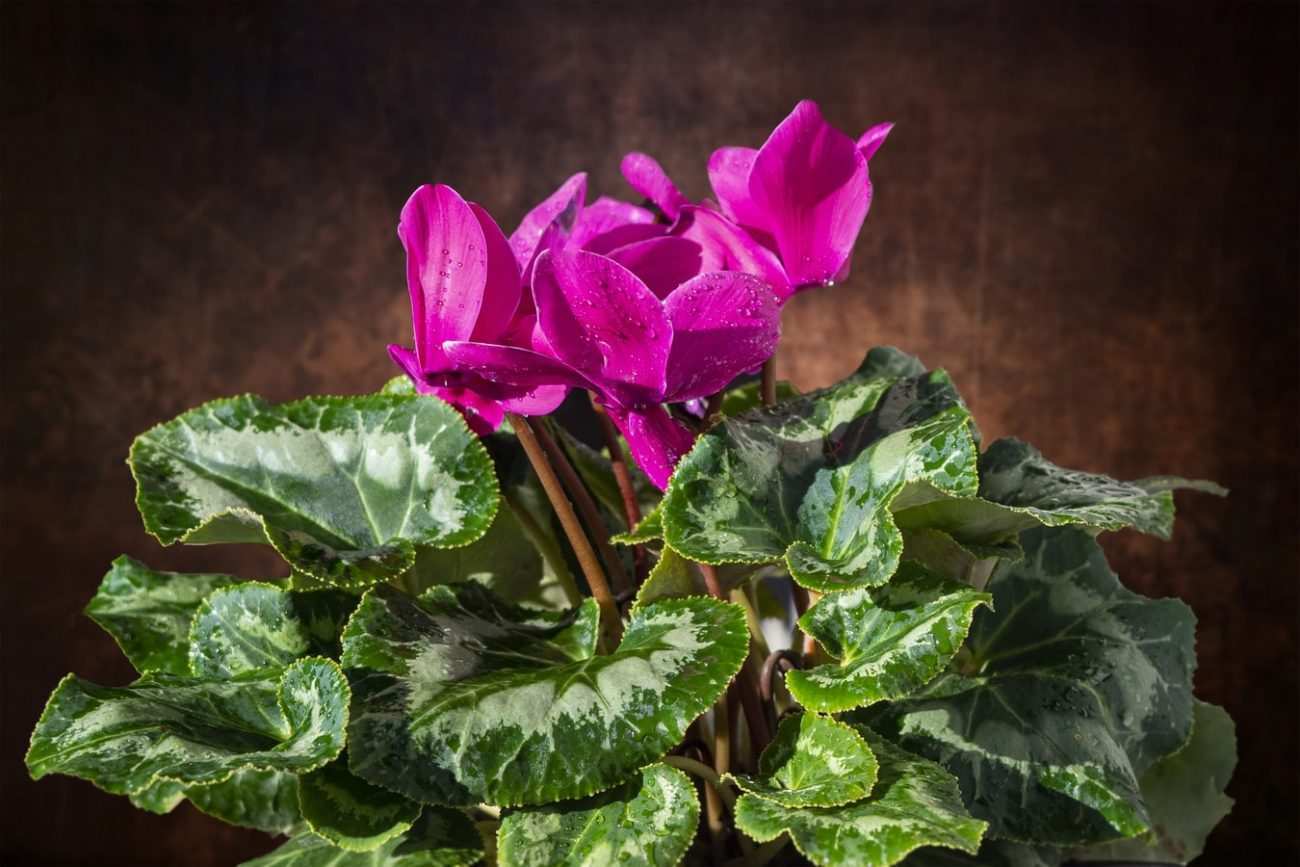
This plant, often preferred in winter, is also known as “rabbit ear” among the public. It usually stands out with pink and white flowers. This is not exactly a true indoor plant. Since it likes light, it is recommended to grow it on a balcony. Its roots and flowers are poisonous. If ingested, it can disrupt heart rhythm in cats and dogs. If it is used, attention should be paid to pets.
PURPLE SHAMROCK (Oxalis triangularis)
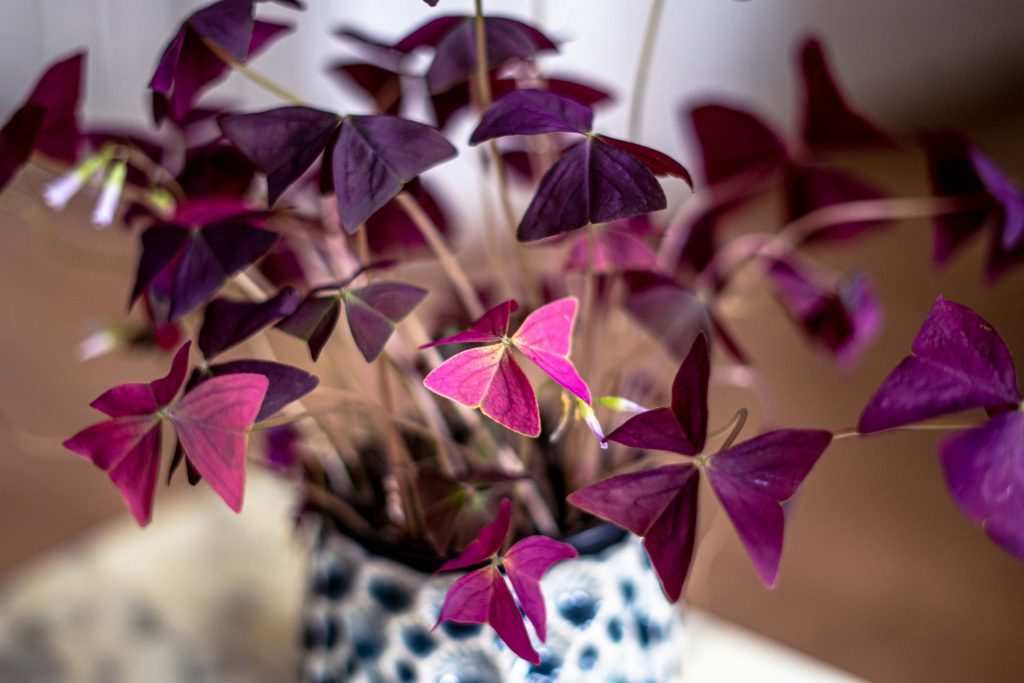
Also known as the “Sleep Flower” or “Purple Shamrock,” this plant is quite long-lived. It has no real connection to the clover plant; it only got this name because its leaf shape resembles a clover. This plant is known to contain chemicals that poison cats, dogs, and especially horses. When ingested, it can lead to serious kidney problems. It should be kept away from pets.
MONSTERA (Monstera deliciosa)
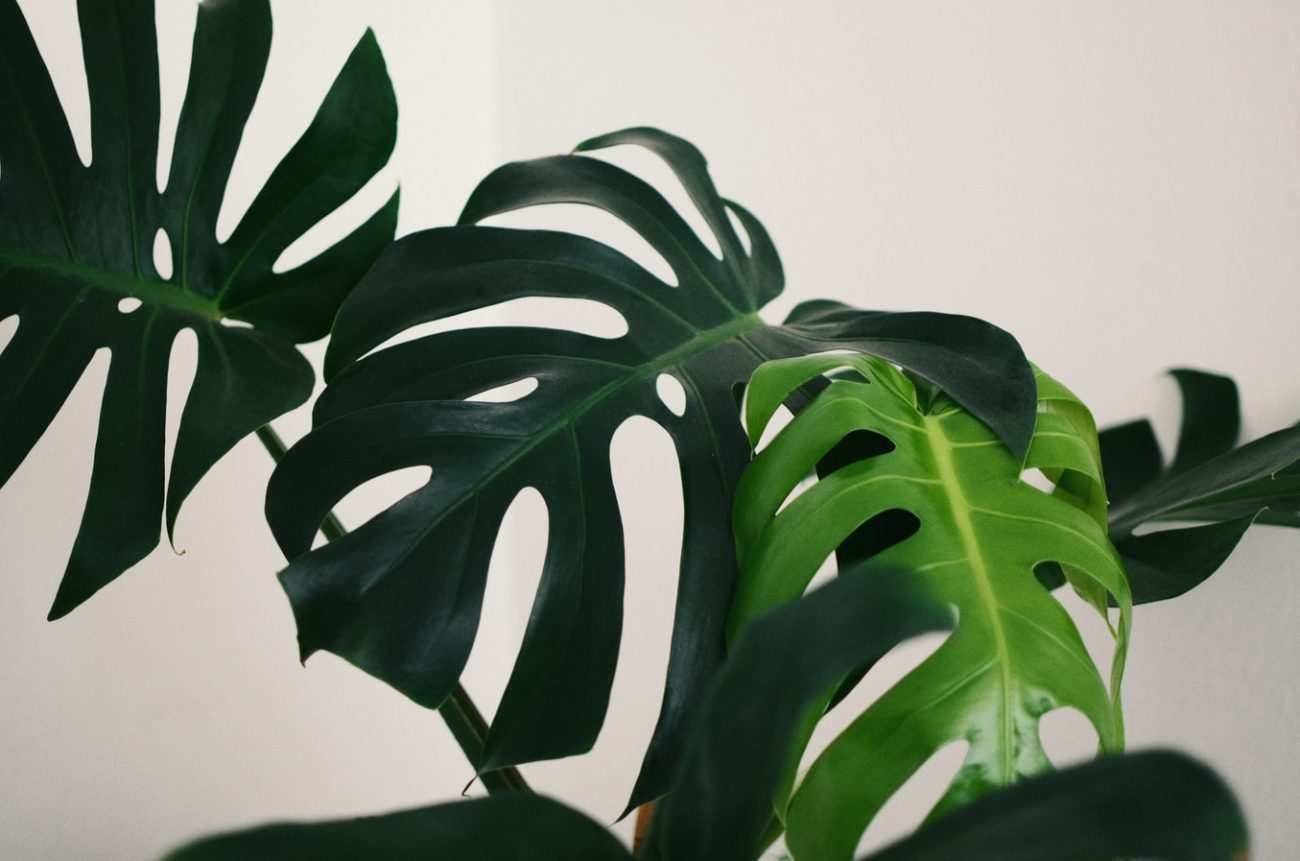
The monstera plant, frequently preferred in spacious interiors, is said to have taken the name “monster” because of the split look of its leaves. In all parts of the plant there are chemicals that can cause toxic reactions. In humans, these chemicals can show reactions such as itching on the skin, and they can be fatal for birds. It should be kept away from pets.


