

Hızlı Git
The plane tree is a tree species frequently seen all around the world and known for its powerful, imposing appearance. In this article, we will discuss the characteristics of the plane tree, its care, its benefits, and other interesting information. In particular, considering that the plane tree is a popular topic for research assignments, we will examine the subject in more detail.
Introduction to the Plane Tree
The plane tree is accepted as a national symbol and is widely grown in Turkey. This tree species is generally recognized by its large leaves, strong trunk, and branches. The plane tree also stands out with its height and spread, and thanks to these features it is frequently used in landscape design.
Facts and Profile of the Plane Tree
- Turkish Name: Plane Tree
- Scientific Name: Platanus orientalis
- Family: Platanaceae
- Genus: Platanus
- Fruit: Small seeds and hard-shelled capsules
- Leaves: Large and palm-shaped
- Trunk: Dark-colored, hard, and rough-barked
- Height: 25–35 meters
- Spread: 15–25 meters
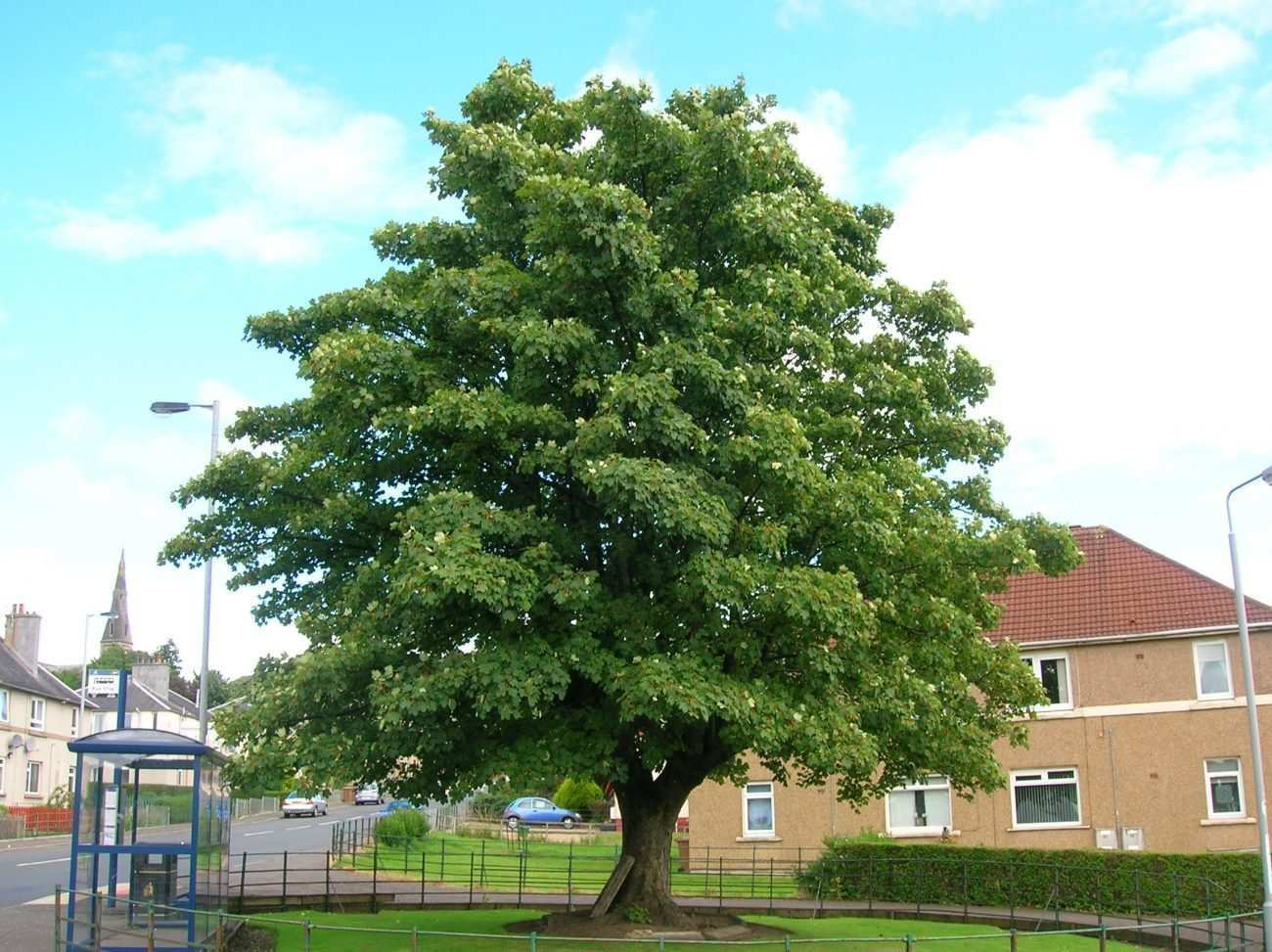
Characteristics of the Plane Tree
The plane tree is known for its wide trunk and strong branches. The trunk has a dark-colored, hard, and rough-barked structure. Its leaves are large and palm-shaped. The plane tree draws attention with its height and spread, and its fruits are small seeds and hard-shelled capsules.
Which Plane Tree Species Grows in Turkey?
There are many plane tree species in the world. In Turkey, the most commonly grown species is Platanus orientalis.
The Meaning of the Plane Tree
The plane tree has carried many different meanings throughout human history. Especially in Western culture, because it is strong, solid, and durable, the plane tree is considered a symbol of power. It has also been used as a symbol of immortality, eternity, and wisdom.
The Story of the Plane Tree
The plane tree is a species that has attracted people’s attention for thousands of years. In ancient times, the plane tree had an important place in Ancient Egypt, Greece, and Rome. In the Middle Ages, plane trees were planted in many European cities, and these trees became symbols of their cities.
Plane Tree Prices
Plane tree prices may vary depending on the size of the tree, its age, and the planting location. Generally, large-sized plane trees have higher prices. In addition, prices may differ depending on the geography where the plane tree is grown and the region where it is located.
Benefits of the Plane Tree
The plane tree provides many benefits for both people and nature. First of all, it helps clean the air by filtering harmful substances in the atmosphere. It also provides shade and can be used to cool down during hot summer days. In addition, plane tree wood is used for timber production and can be found in furniture, flooring, and other building materials.
How to Grow a Plane Tree?
The plane tree is a very large and showy species. If done correctly, growing it can be a very enjoyable process. In this article, I will guide you through plane tree cultivation. You will also learn about the meaning of the plane tree, its story, prices, benefits, diseases, and many other topics.
The Meaning of the Plane Tree
The plane tree symbolizes old age, strength, and durability. It is an important symbol in different stages of human life. Because its leaves remain green throughout the four seasons, it is also considered a symbol of immortality. You can also read more about the meaning of the plane tree in this article.
The Story of the Plane Tree
The origin of the plane tree dates back to Ancient Greece. In mythology, it is said that Zeus and Hera planted a plane tree to symbolize happiness. Also, throughout history, the plane tree has often been used as a symbol of just rule, justice, and wisdom.
Plane Tree Prices
The plane tree is sold in different price ranges in direct proportion to its size and age. It is generally purchased as a sapling, and its price ranges on average between 50 TL and 100 TL. As the sapling’s age and size increase, its price also increases.
Benefits of the Plane Tree
The plane tree has many benefits. For example, it provides shade and is ideal for cooling down on hot summer days. It also cleans the air and produces oxygen. The bark and leaves of the tree also have many health-related benefits.
Bursa’s Plane Tree Culture
Bursa is one of the richest cities in Turkey in terms of plane tree culture. Bursa’s historic plane trees have become symbols of the city and attract the interest of many tourists. In Bursa, plane trees located around structures such as historic mosques, madrasas, and inns contribute to the city’s historical texture
When Are Plane Tree Seeds Sown?
Plane tree seeds are generally sown in autumn or winter. The seeds are collected during the period when the tree sheds its leaves and are then sown immediately. Since plane tree seeds can naturally be dispersed by wind, these trees may appear on their own. However, if you want to grow a certain number of plane trees in a specific place, you may need to collect and sow the seeds by hand.
In Which Region Does the Plane Tree Grow?
The plane tree generally grows in temperate climate regions and can be found naturally in many parts of the world. In Turkey, it is commonly seen especially in the Marmara, Aegean, Mediterranean, and Black Sea regions. It is also frequently encountered in major cities such as Bursa, Istanbul, and Izmir and is considered a symbolic tree of cities. In addition, it is a tree species that also grows in some regions of Europe, Asia, North America, and South America.
In What Climate Does the Plane Tree Grow?
The plane tree grows in temperate climates and is resistant to cold. It can also grow in high-humidity regions; it develops well in climates where summers are warm and winters are cold. It also likes humid and sunny conditions and is not affected by frosts. For this reason, plane trees are common in the Marmara, Aegean, Mediterranean, and Black Sea regions. However, some plane tree species that can withstand harsh winter conditions may also grow in colder climate regions.
Which Fruit Can Be Grafted onto a Plane Tree?
Fruit grafting onto plane trees is not very common. The plane tree is grown mainly as an ornamental tree because of its distinctive leaves and trunk structure. Since it is not a species cultivated for fruit yield, fruit grafting is generally not done on plane trees. However, rarely, fruits such as pear or apple can be grafted onto a plane tree. In such cases, careful grafting is required to preserve the main characteristics of the plane tree.
In Which Month Is the Plane Tree Sown?
Plane tree seeds are generally sown in spring, in April or May. In these months, soil temperatures increase and germination speeds up. Also, spring coincides with the plane tree’s natural growth period, so it is considered one of the most suitable times for sowing. However, if plane tree saplings are purchased ready, these saplings can be planted in spring and autumn. Autumn is also a suitable period for plane tree saplings as soil temperatures begin to decrease.
How Long Does It Take for a Plane Tree to Grow? How Many Years Does It Take?
The plane tree is a very large tree species, and its growth rate is slower compared to many other tree species. On average, the time to reach full size is around 50–60 years. However, the growth rate varies depending on the region, climate conditions, and soil quality. With good care and suitable conditions, it may reach quite large dimensions within 30–40 years as well.
How Often Should a Plane Tree Be Watered?
The watering need of a plane tree varies depending on the region where it is grown and climate conditions. Generally, the tree is watered according to the soil structure and moisture level. It requires frequent watering in the first year, and in later years the watering frequency can be reduced. The soil moisture level should always be checked. In summer, during hot weather, it should be watered at least once a week. However, in rainy conditions, the watering frequency can be reduced. In short, watering frequency is determined according to soil structure, moisture level, and weather conditions.
At What Elevation Does the Plane Tree Grow?
The plane tree can grow at different elevations above sea level. Generally, it can grow at elevations between 300 and 1500 meters. However, these values may vary depending on the region and climate conditions. With good soil quality and suitable climate conditions, the plane tree can grow healthily at different elevations.
How Much Oxygen Does a Plane Tree Produce?
The plane tree is a very large tree with wide leaves. According to some studies, a plane tree produces an average of about 130 kg of oxygen per year. However, this amount can vary depending on the tree’s age, size, and environmental factors. In general, plane trees are known for the many benefits they provide to the environment and people.
When Does the Plane Tree Shed Its Leaves?
The plane tree generally starts shedding its leaves in autumn. This period usually lasts from the end of September to the beginning of October. However, some plane trees may experience this period at different times depending on climate conditions. Leaf shedding is a natural process; it happens as autumn arrives, leaves change color, and fall. Fallen leaves help the tree store nutrients that will enrich the soil and support survival during winter.
Where Is the Oldest Plane Tree?
The oldest plane tree in the world is located in Turkey’s Şanlıurfa province, near the archaeological site called Göbekli Tepe. This plane tree is said to have been born about 1,000 years ago and is still standing today. For this reason, it is considered one of the oldest living plane trees in the world.
What Dries Out a Plane Tree?
Plane trees can be dried out by fungi, especially bark fungi. Bark fungi are a type of fungus that grows on the bark on the trunk and can cause the tree to dry out. Also, prolonged drought can dry out plane trees and cause their leaves to fall.
Why Is the Ottoman Empire Compared to a Plane Tree?
The Ottoman Empire is compared to a plane tree because, like a plane tree, it was deep-rooted, long-lived, and very powerful. Also, just as plane tree leaves spread wide, the Ottoman state consisted of people from different nations and cultures. Since its foundation, the plane tree symbol represented the Ottoman Empire’s strength and longevity. For this reason, the Ottoman Empire is often called the “Plane Tree State.”
Why Should You Not Sit Under a Plane Tree?
One reason given for not sitting under a plane tree is that the wide leaves draw water from the soil and release it into the air, leaving the ground beneath relatively moist. This can create a suitable environment for insects, especially mosquitoes. Also, because plane trees can grow very large, there may be risks such as a branch or leaf breaking off. For this reason, instead of sitting directly under a plane tree, alternative spots nearby may be preferred.
In Which Month Are Plane Tree Leaves Collected?
Plane tree leaves are generally collected in autumn, namely in September and October. During this period, the plane tree begins to shed its leaves and becomes completely leafless in winter. After collection, leaves can be dried and used as tea or for decorative purposes.
How Many Meters Apart Should Plane Trees Be Planted?
For planting plane trees, pits are generally opened at least 5–6 meters apart and saplings are placed in these pits. However, especially in large gardens or parks, plane trees can be planted with wider spacing. Considering the size and broad canopy potential of plane trees, it is important to leave sufficient spacing and avoid planting them too close to each other.


