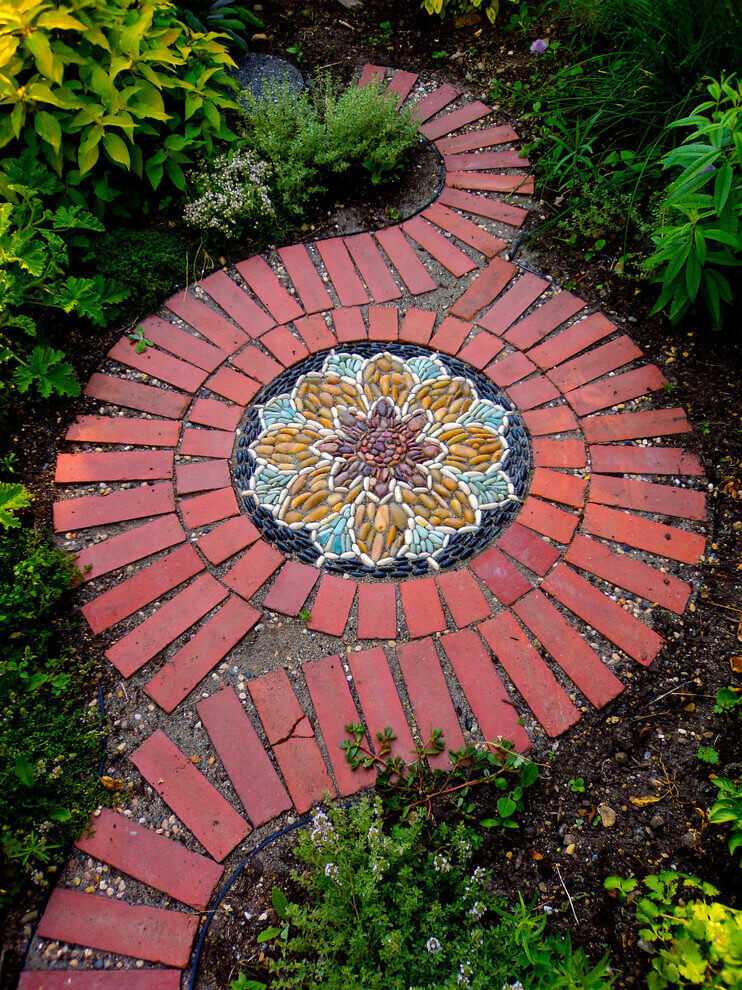

Hızlı Git
Beyond being aesthetically pleasing, walkways and paths can create a logical flow in your outdoor space by connecting the important and functional parts of your garden or lawn. This also means you will use the space more often and more effectively. For this reason, beautiful and practical garden paths can add value to your home. There are a few key points to keep in mind when choosing garden paths or walkways. If this is a brand-new project, think about which features of your garden you want to connect and highlight. Decide what style you want for your outdoor space, or see whether a particular style is already suggested by the existing plant life and structures.
If you are remodeling, first look at your current garden path and walkway designs and focus on what you want to change; what do you dislike about your current layout? What kind of look and function would you prefer instead? Asking these questions can guide your choices and keep the project on track. Whether you build from scratch or decide to rebuild your paths, we believe you will find the perfect garden path and walkway ideas among what we have gathered here.
Park and Garden Pathways
Without a doubt, paths form one of the most important parts of a garden. Visitors entering your garden often get their first impression of your home and of you through your garden paths.
Paths connect buildings and other functional areas by providing circulation within the garden.
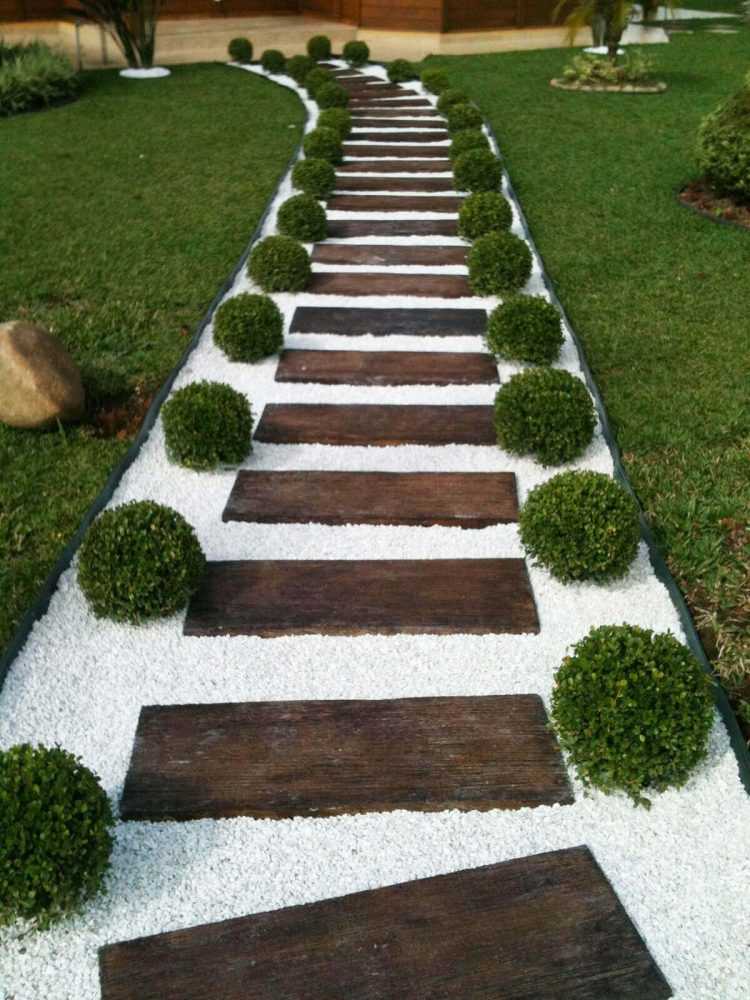
A Stepped Look with Clean Stone and Wood
Unnecessary and dead-end paths should not be included, because they can over-fragment the space and disrupt the overall unity.
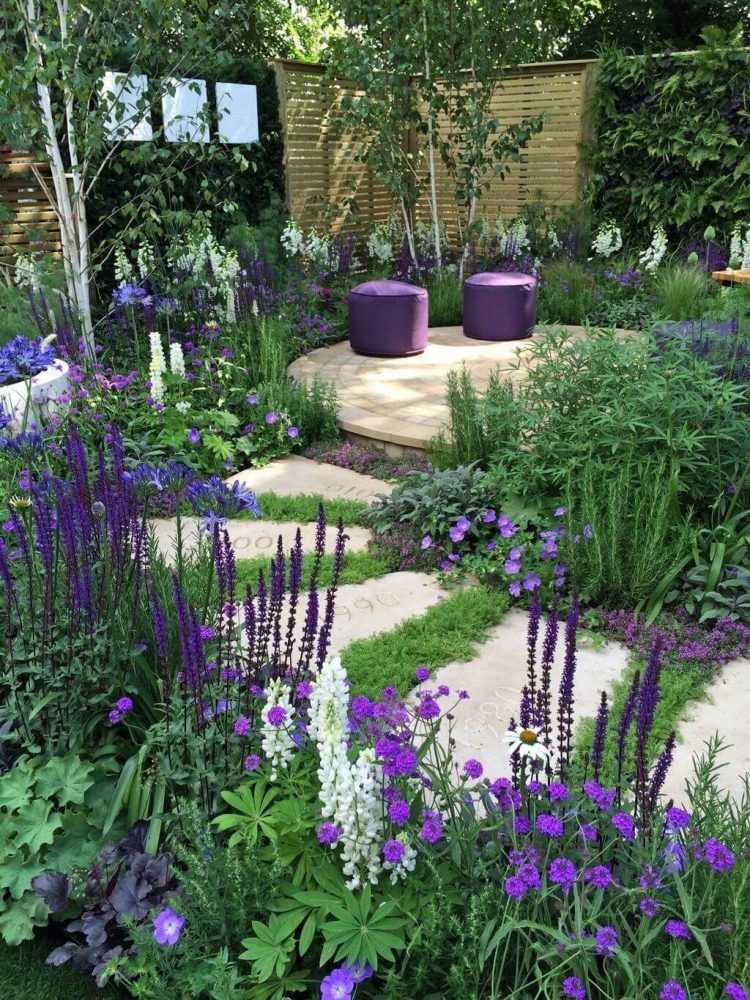
Colorful Flowers Spreading Over Stone Paths
In landscape installations, as little space as possible should be allocated to vehicle roads. In home gardens, the driveway typically serves only to provide garage entry and exit.
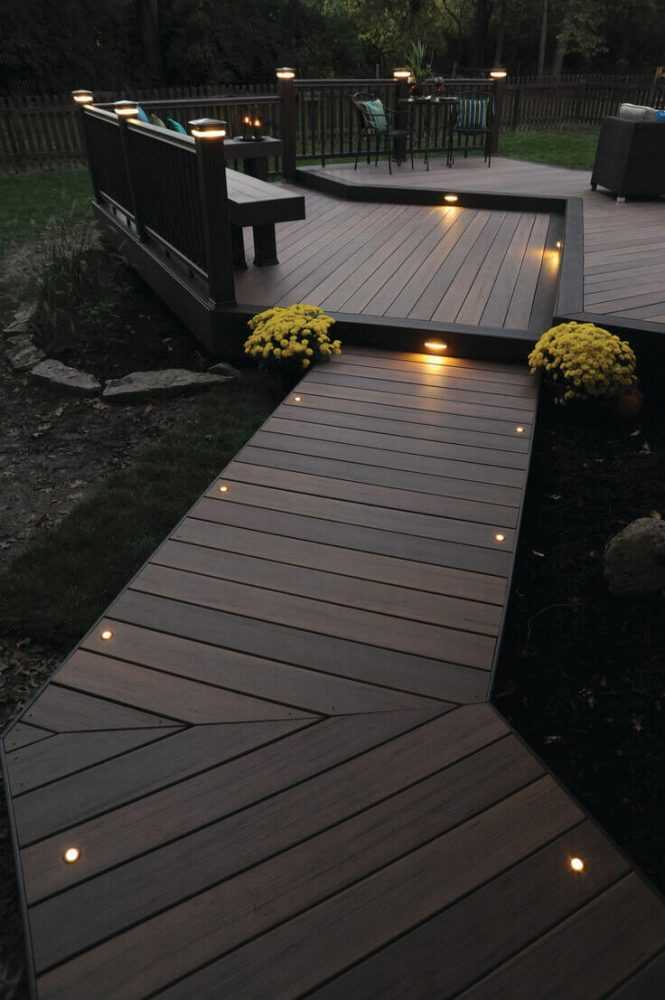
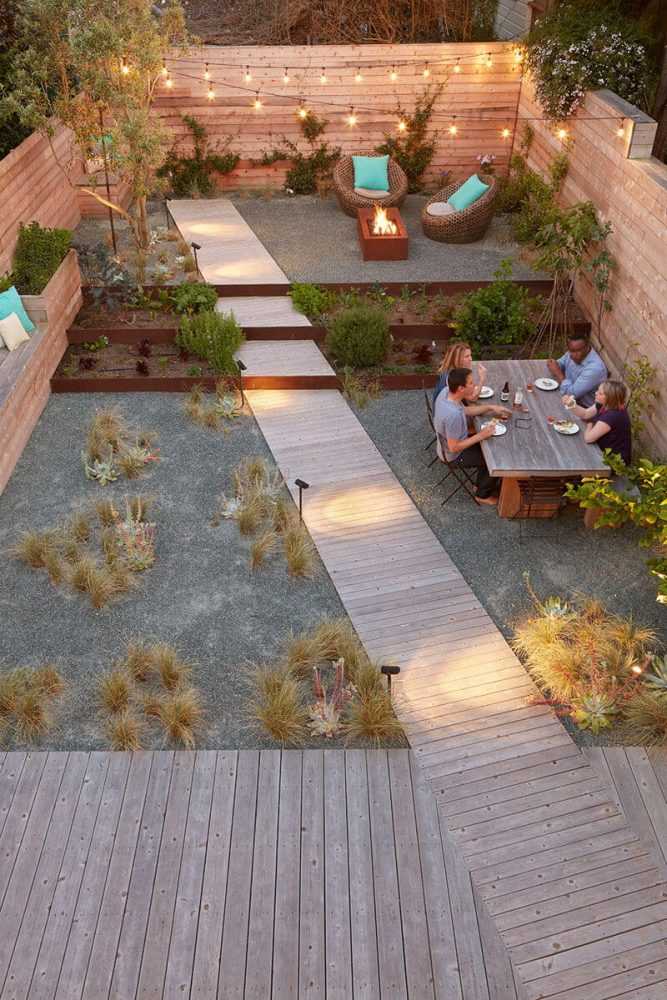
Modern and Minimalist Wooden Deck Connections
In home gardens, single-person paths are calculated as 40–80 cm wide; two-person paths 100–120 cm; three-person paths 140–180 cm; and four-person paths 180–220 cm.
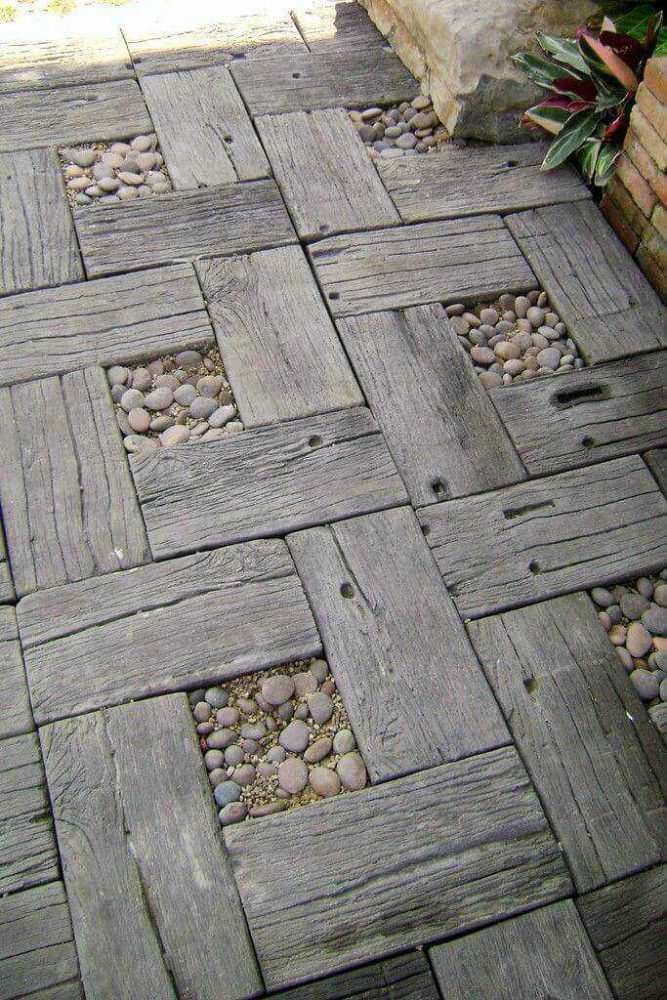
Weathered Wood Pavers and Stone
Create a Walkway with Dolomite Stones
Geometric Space Sharing with Wood
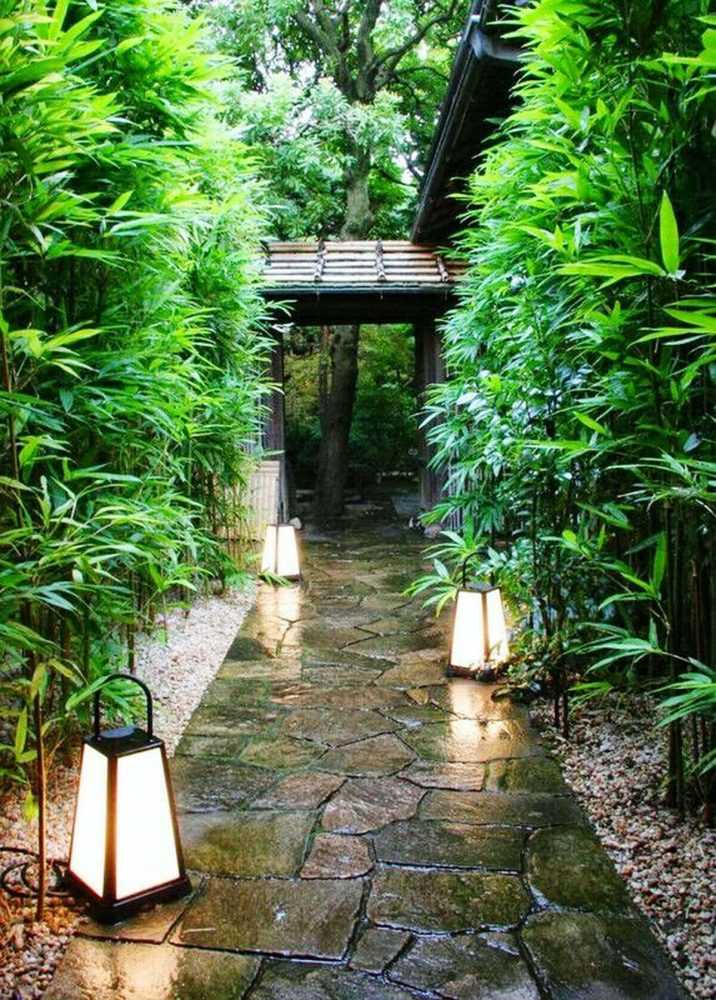
Irregular Paving Stones with Lantern Lighting
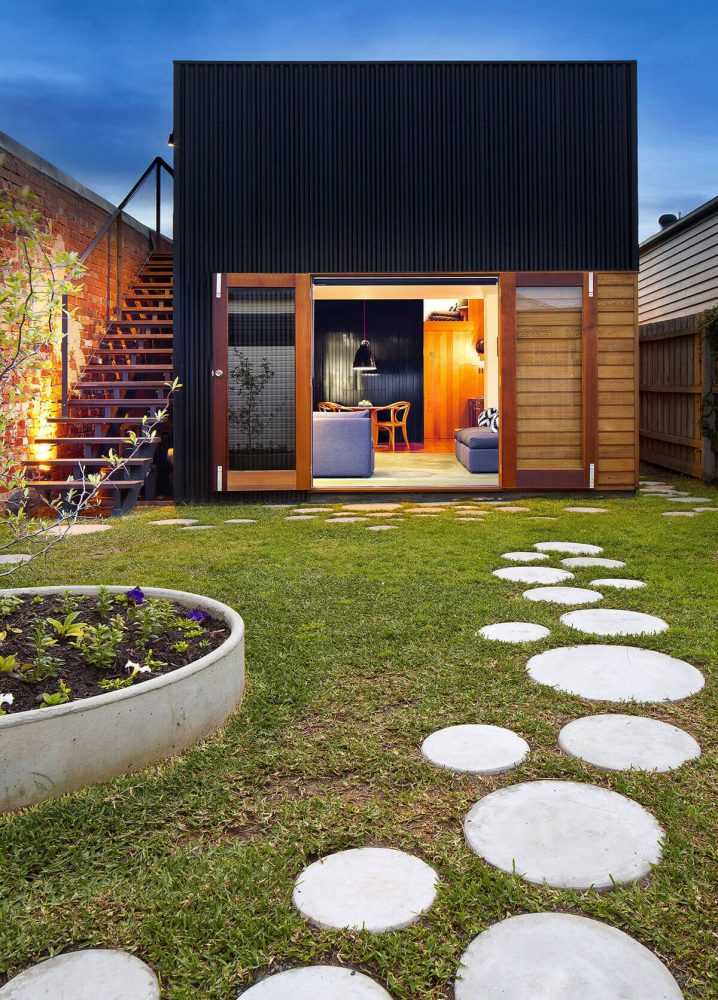
Circle-Stone Simplicity Inspired by Scandinavia
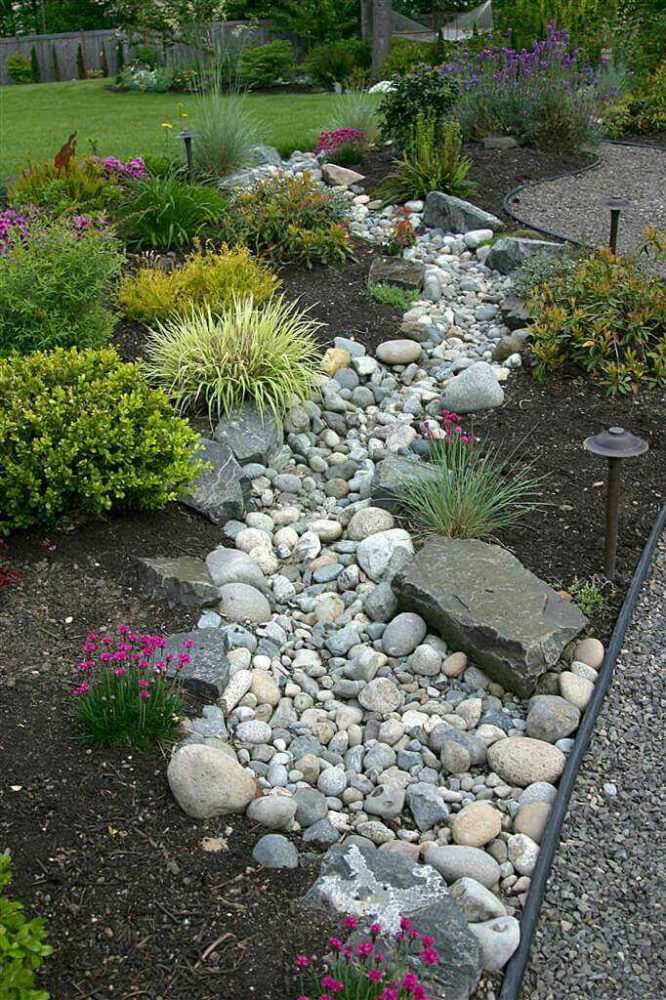
The Natural Beauty of River Stones
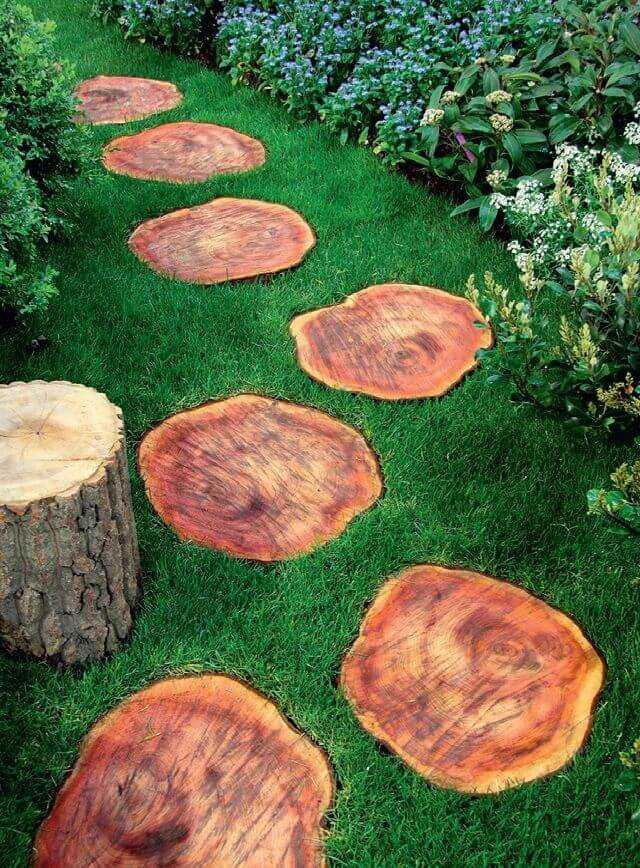
Red Timber Over Lawn
Rustic Beams

Semi-Crushed Gravel for a Clean Effect
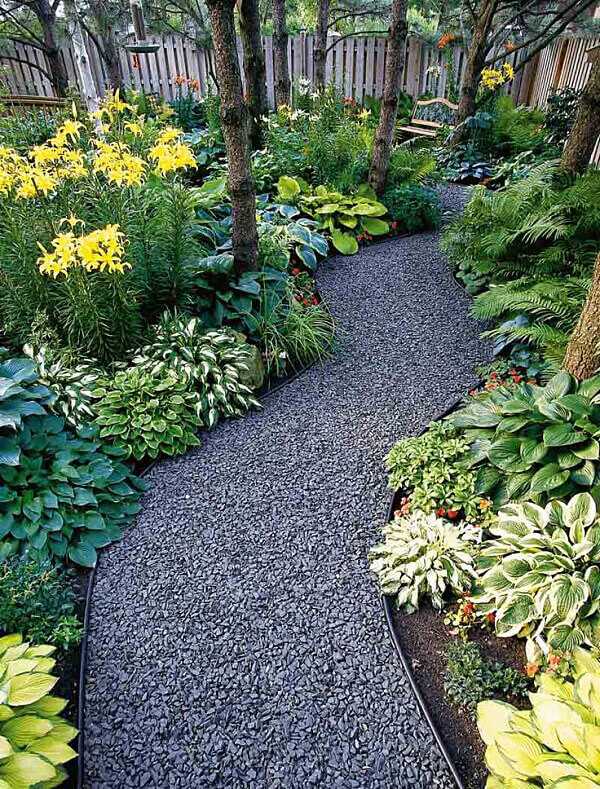
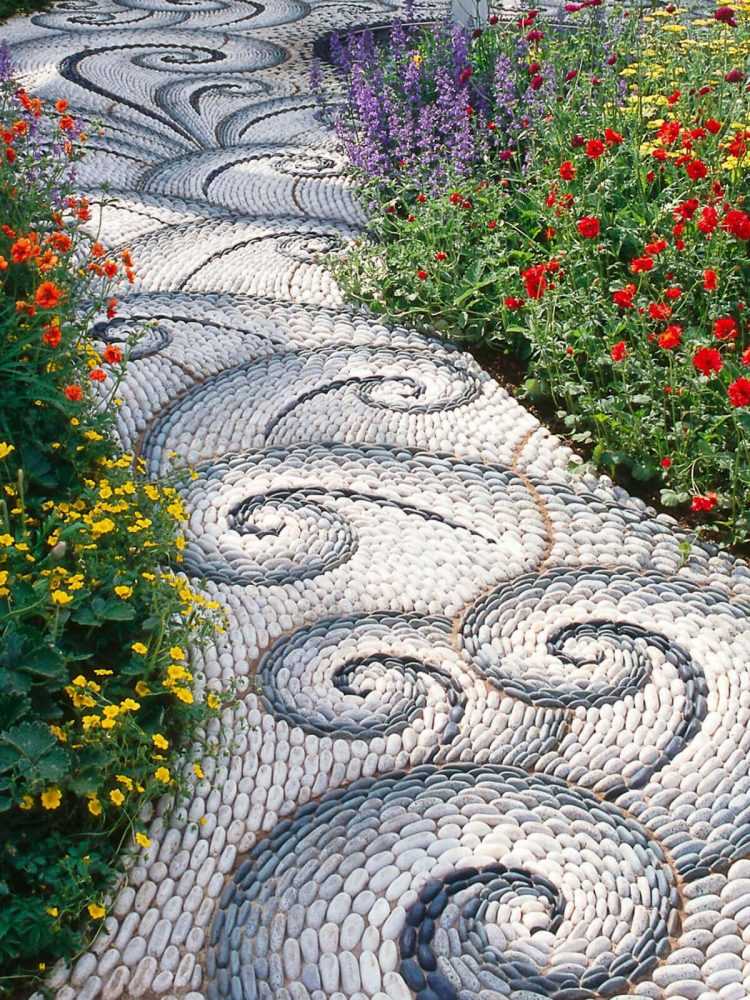
Connect your spaces by creating spiral paths

Create Contrast with Natural Stone and Achieve Clean, Modern Paving
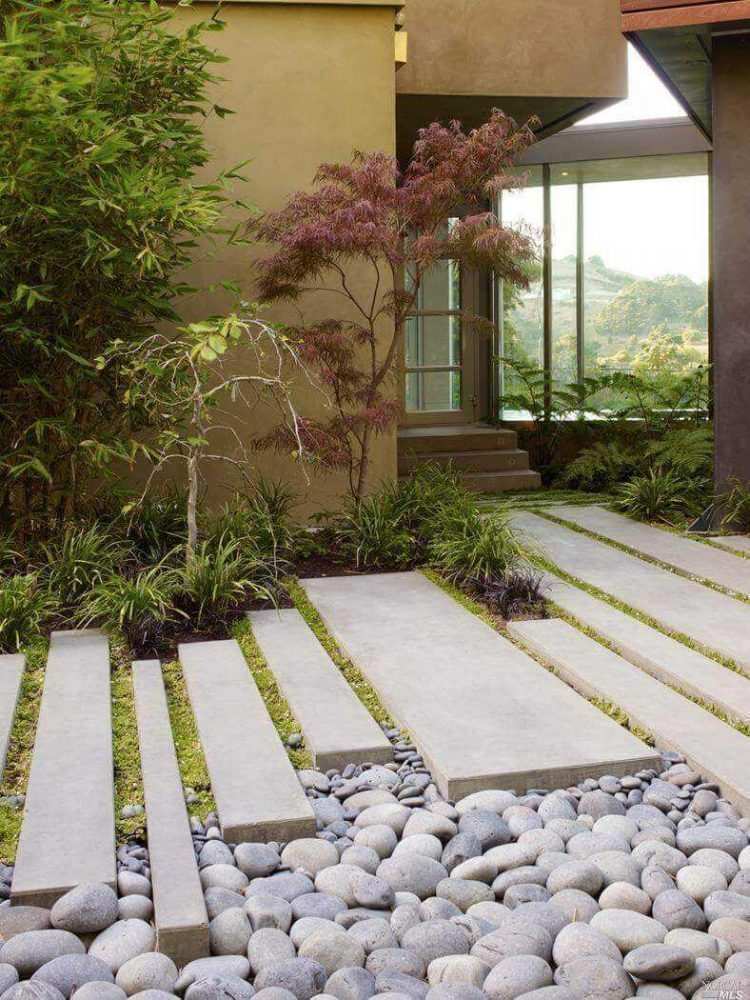
A Traditional Red Brick Path with a Modern Design

A Patterned Walkway Using Red Bricks
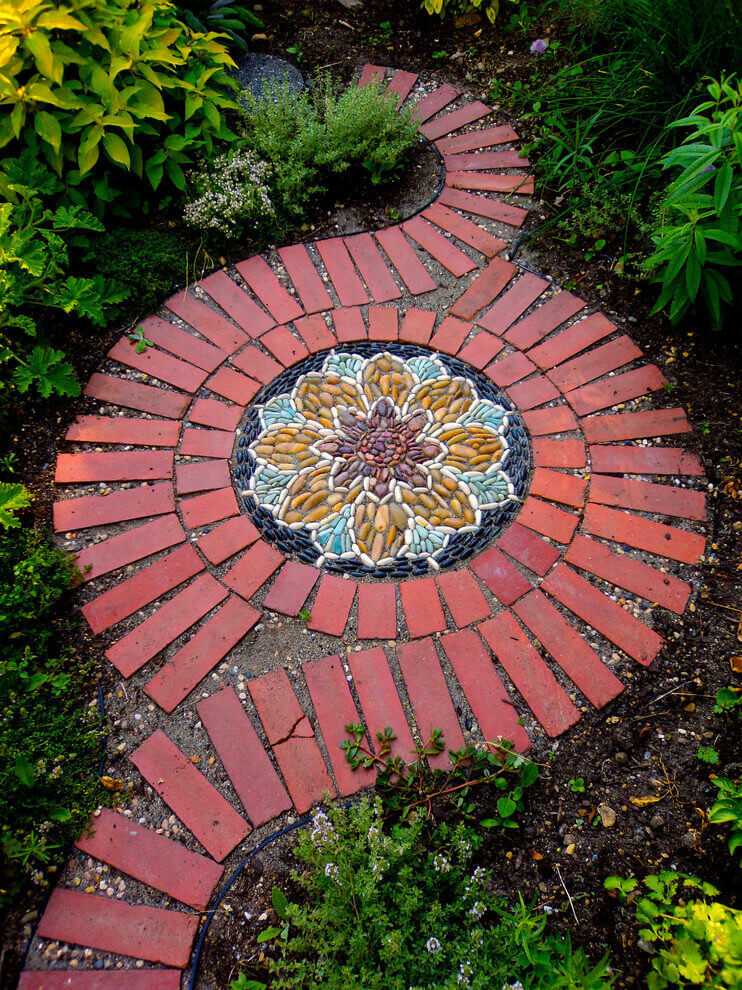
Romantic Stone Walkways Leading to a Garden Fountain
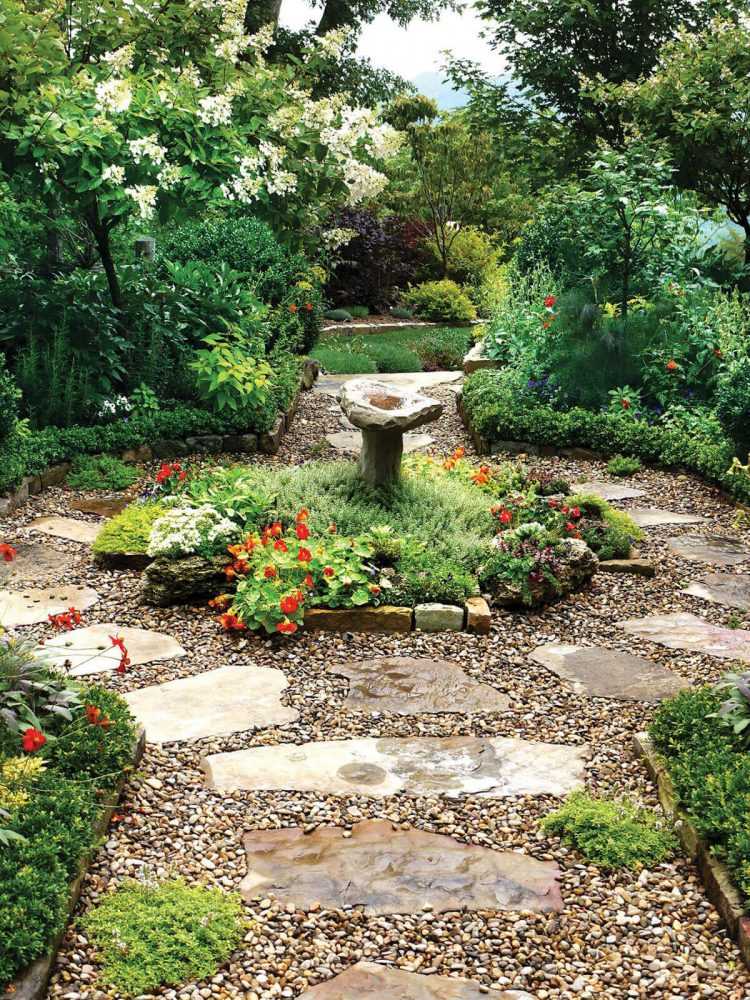
Highlight Special Tiles Over Dark-Colored Mulch by Creating Contrast
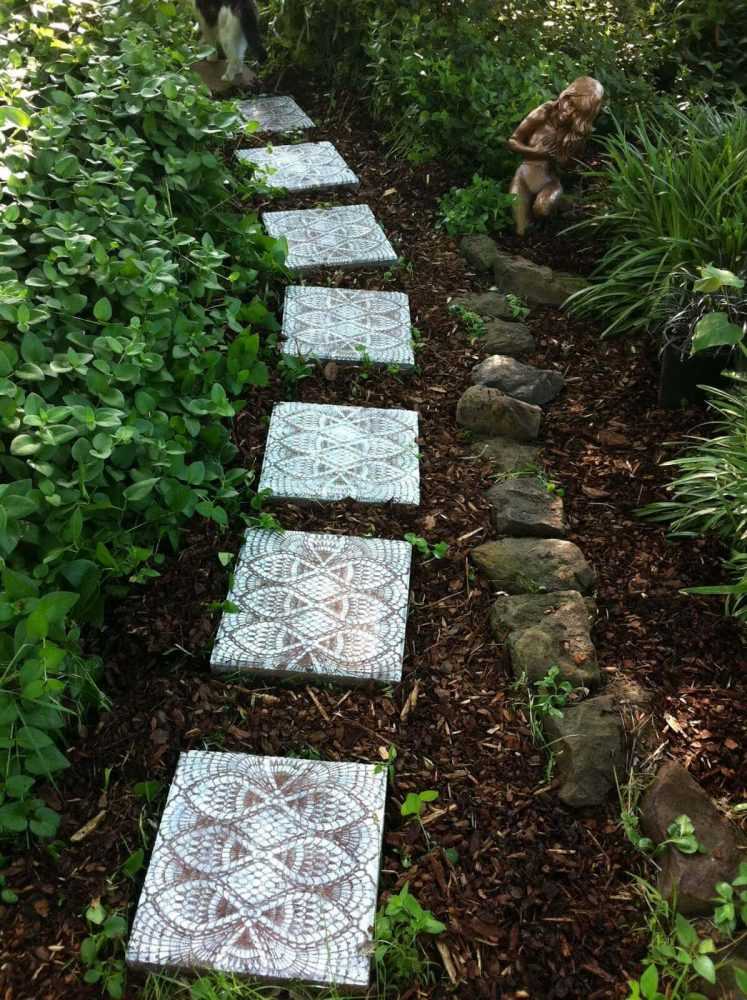
A Magnificent Stone Mosaic Display
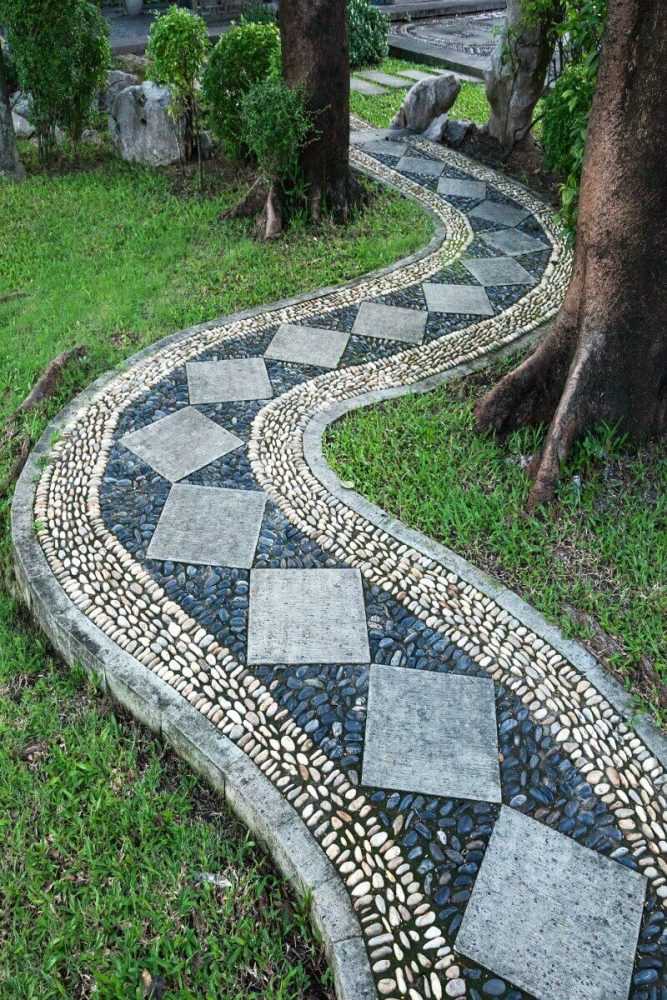
Use Weathered Brick Together with Hedge Plants
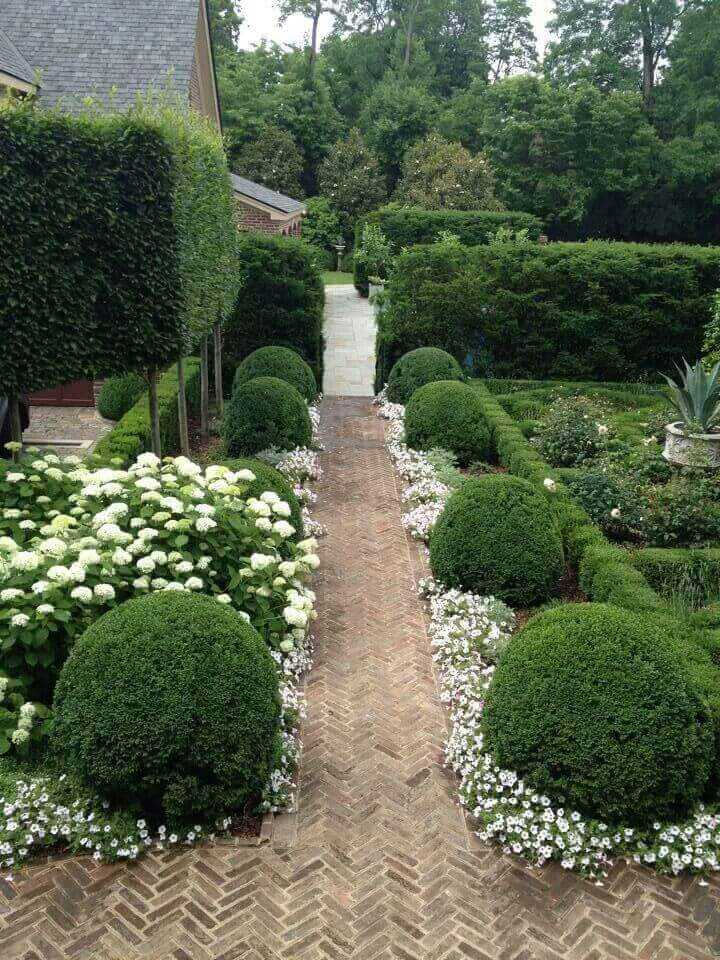
A Clean, Green, Asian-Inspired Simplicity
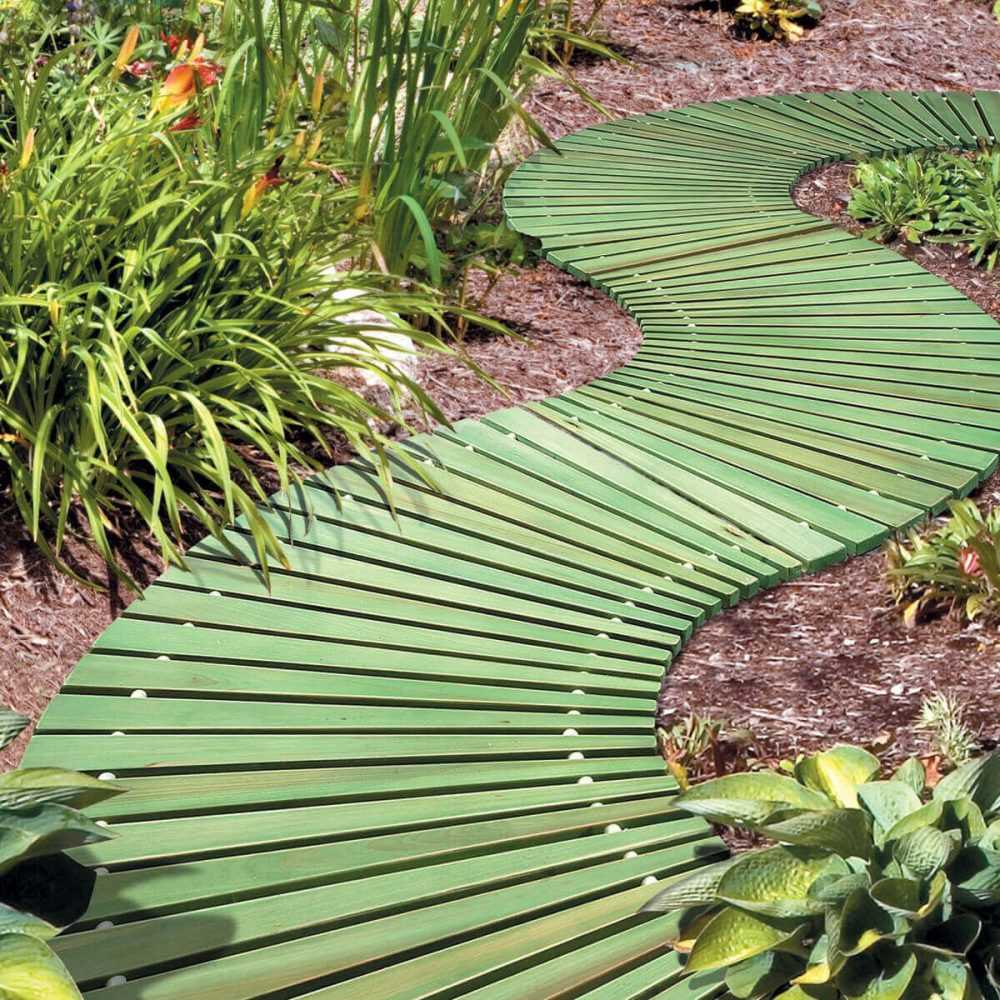
You Can Use Natural Stones for a Classic Look
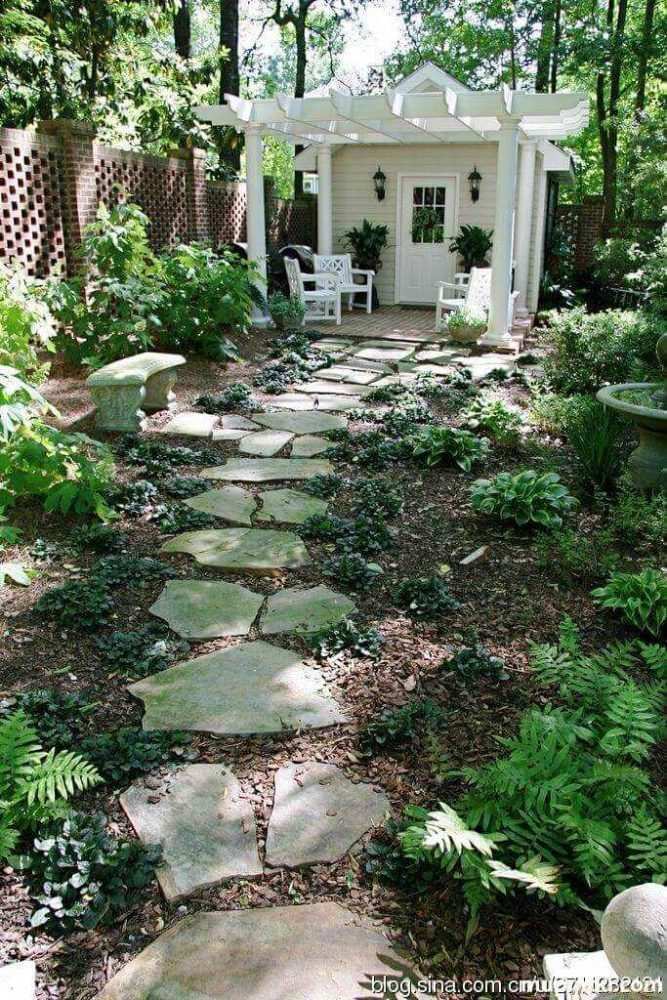
Zigzag Paths Made with Rough-Sanded Stones
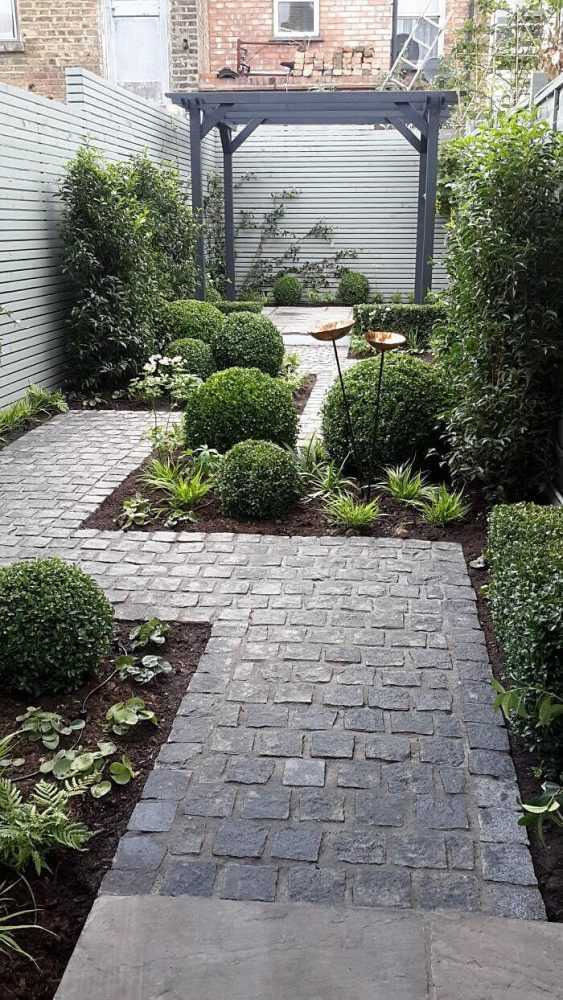
The Unexpected Vertical Layout of Modern Wood
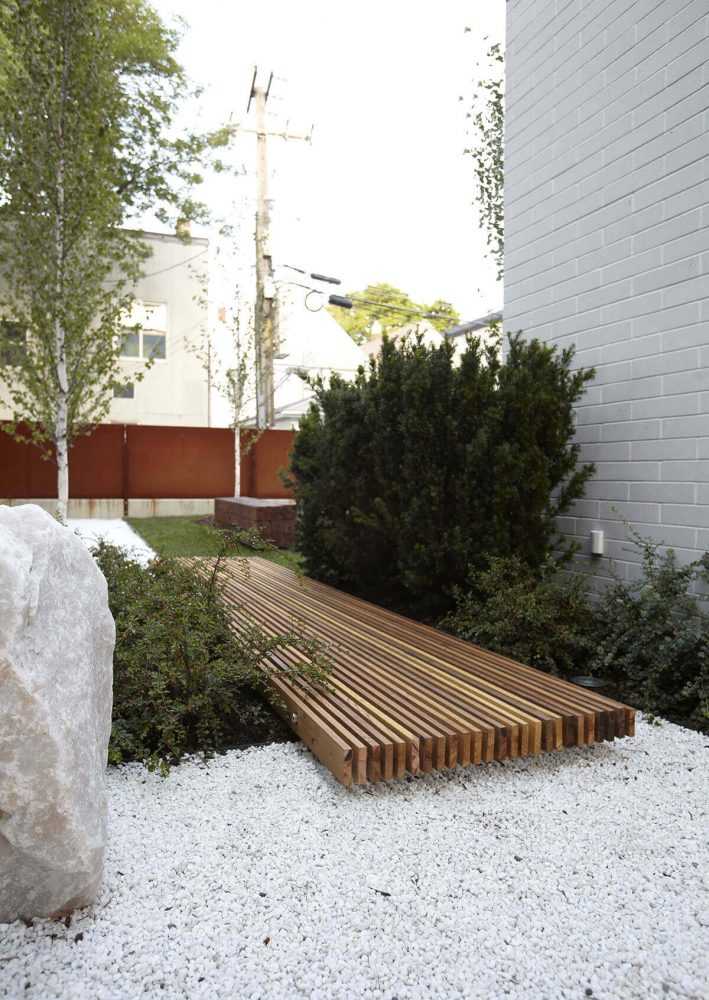
Rustic Wooden Paths Accented with Gravel and Grass
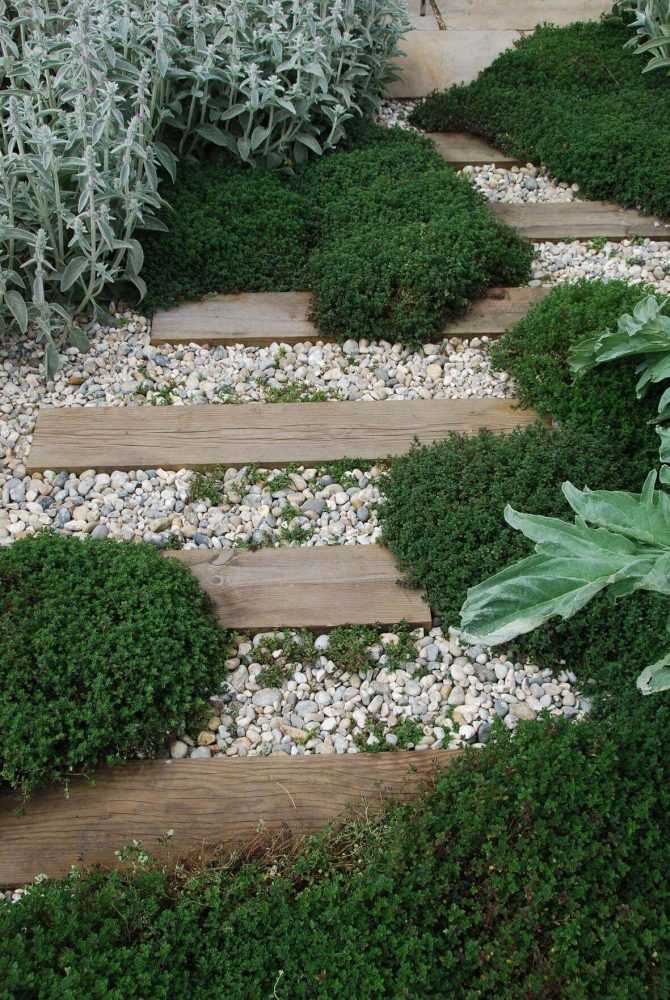
Gardens transform the beauty offered by nature into a work of art by arranging it in line with human aesthetic perception. Among the elements that complete a garden’s aesthetics, walking paths also take an important place. In this article, the topic of garden walkways will be examined, and factors such as walkway design, material selection, placement, and maintenance will be discussed.
Walkway Design
Walkway design plays an important role in the overall planning of a garden. Walkways provide transitions between different parts of the garden and make moving around the garden easier. For this reason, walkway design should be planned in line with the garden’s purpose of use.
Path Width
The width of a walkway is determined according to the garden’s purpose of use and its size. A wide walkway can make the garden feel more spacious and open. However, the wider the walkway is, the more space it occupies, which can reduce the usable area of the rest of the garden.
Path Material
The material used for a walkway should be compatible with the garden’s natural texture. Wood, stone, sand, gravel, or concrete are commonly used materials for walkways. Each material has its advantages and disadvantages. Wood provides a natural appearance, but it is difficult to maintain and tends to rot. Concrete is durable and easy to maintain, but it does not provide a natural look.
Path Pattern
The pattern of the path affects the garden’s aesthetics. A straight walkway creates a simple and modern appearance. More complex patterns, however, can make the garden look more interesting and eye-catching. The path pattern can vary according to the garden’s style and personal preferences.
Walkway Placement
Walkway placement should be planned in harmony with the garden’s other areas. A walkway should provide access to the garden’s most important spaces and features. It should be designed in a way that fits the garden’s natural texture, and it should be positioned without harming natural elements.
Path Length
The length of a walkway is determined by the size of the garden and its purpose of use. A long walkway provides access to every part of the garden and can make walking through it more enjoyable. If the garden is small, however, the walkway should be shorter.
Path Location
A walkway should be positioned strategically in the garden. It should provide access to the garden’s most important areas. If there is a pond or pool in the garden, the path can pass around it. The walkway should create a coherent transition between different parts of the garden.
Walkway Maintenance
Walkway maintenance is important to extend the lifespan of the path and to ensure safety. Walkway maintenance may include the following:
Cleaning
Because walkways are exposed to various external factors, they can become dirty and muddy over time. For this reason, the walkway should be cleaned regularly. Leaves, soil, and other debris on the path should be swept away.
Repairs
Over time, a walkway may develop cracks or be affected by erosion. In such cases, the walkway should be repaired. When a path forms cracks or an uneven surface, it can compromise safety. Therefore, the walkway should be inspected regularly and necessary repairs should be made.
Upkeep
A walkway can wear down over time due to natural elements. For this reason, regular upkeep should be carried out. Wooden walkways require special care. Since wood tends to rot over time, wooden paths should be oiled regularly and coated with a protective layer.
Conclusion
A garden’s aesthetics emerge when natural beauty is arranged by human hands and transformed into a work of art. Walkways are among the elements that complete a garden’s aesthetics. Factors such as walkway design, material selection, placement, and maintenance determine both the functionality and the visual quality of a path. For this reason, walkway design should be planned in line with the garden’s purpose of use and its natural texture. Walkways should provide a harmonious transition between different parts of the garden and should be positioned without harming natural elements. Regular maintenance helps extend the walkway’s lifespan and ensures safety. In the garden, a walking path becomes an aesthetic element that blends with nature and completes the garden’s beauty.


