

Hızlı Git
When decorating our homes’ gardens, the face that speaks the loudest at first glance is undoubtedly the garden wall. Garden wall models leave an impression not only on visitors inside the garden, but also on people passing by on the street. That is why the wall is now seen as more than security, privacy, and a boundary line; it is treated as an element that “carries” the character of the garden.
I updated this article according to a 2026 perspective and added new content. In 2026, garden walls increasingly emphasize natural-looking materials, long service life, low maintenance, climate resistance, and a more “quiet” aesthetic language. In other words, a wall is no longer just a wall; it becomes a design surface that works together with backdrop composition, light, planting, acoustics, and even drainage.
Small but Critical Notes That Shape Garden Wall Design in 2026
Before choosing a wall, clarifying three questions speeds everything up: Is the primary purpose of this wall security, privacy, or an aesthetic backdrop? Second, the climate where you live (frost, intense sun, wind, salty air) directly affects material decisions. Third, your maintenance tolerance: Will you repaint and maintain it every year, or should it be a surface that “ages and becomes more beautiful” on its own?
Garden Wall Models Made from Different Materials
When designing a wall for your garden, the first thing to consider is using colors and forms that match the character of your house. Your home’s materials are decisive here. A stone-and-wood house and a steel-structure house speak different design languages; if the garden wall does not follow that language, the garden can start to look “fragmented.” In 2026, the best results often come not from multiplying materials, but from solving details well with fewer materials.
Vertical Garden Models
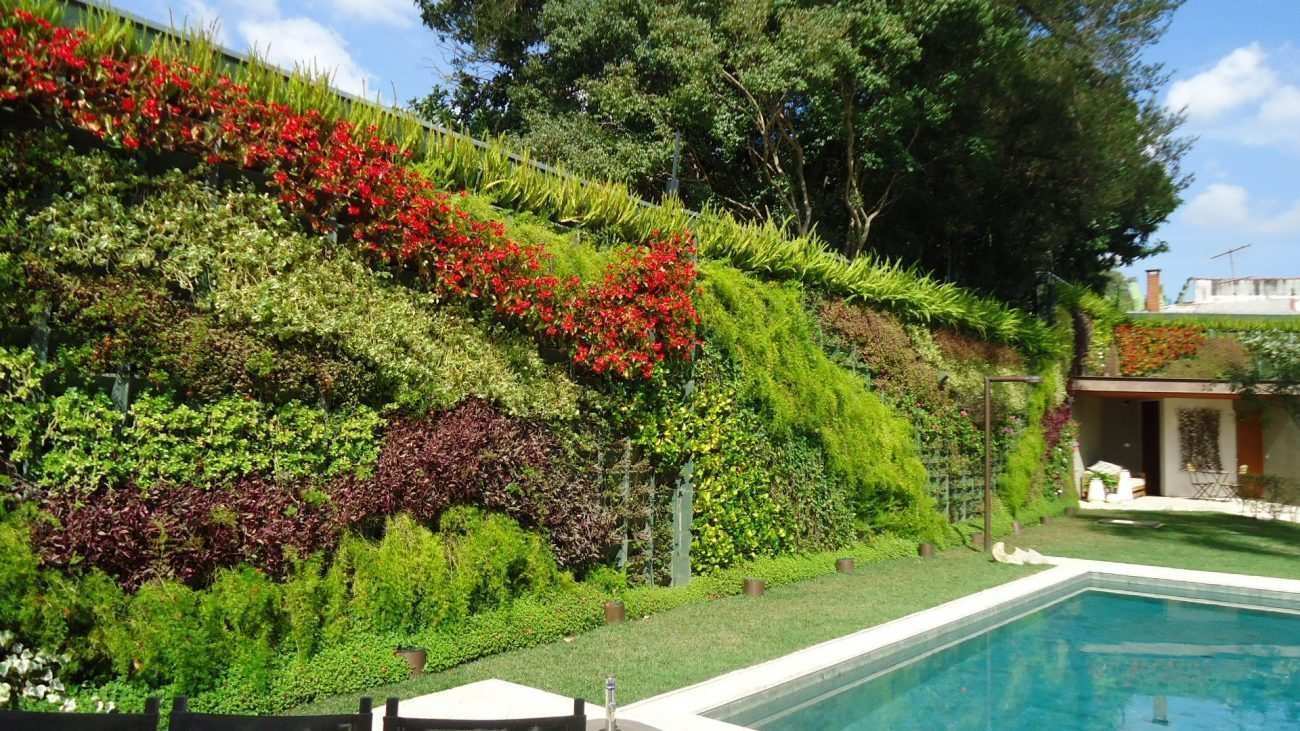
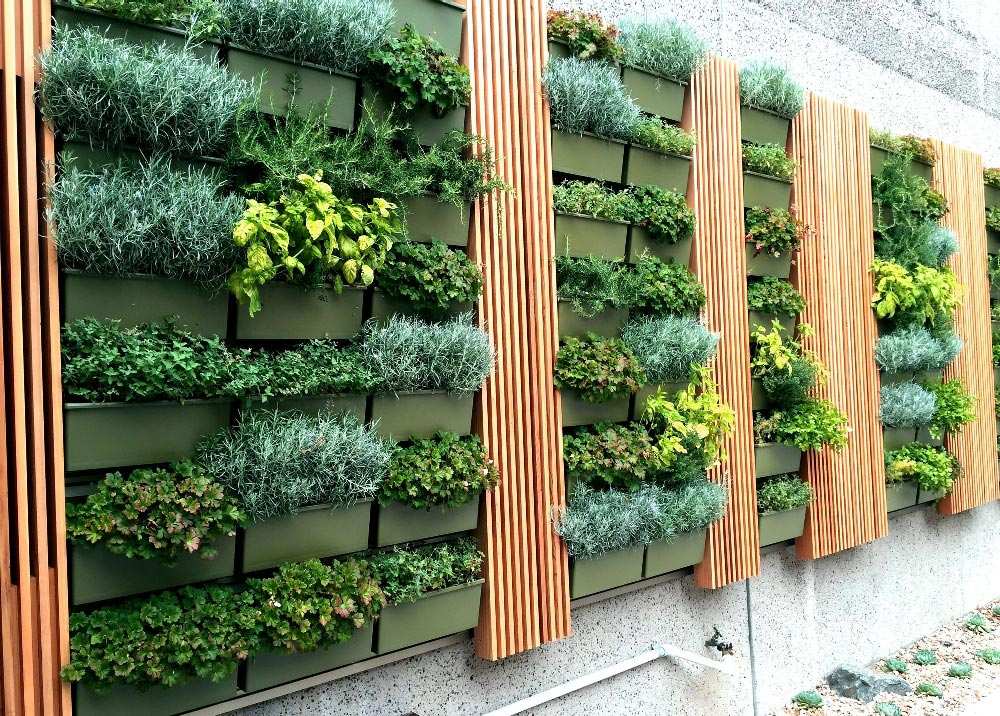
If you want to create a more “special” atmosphere in your garden, the vertical garden idea on a wall is still strong. In 2026, what people discuss most about vertical gardens is the system before the aesthetics: irrigation line, drainage, and maintenance access. Classic pocket systems can look impressive, but they may be costly and demanding to maintain. A more practical alternative is training climbers on a wire panel, or planting hedge species at close spacing and pruning them flat like a living wall, which can be more sustainable in many gardens.
For vertical gardens, the approach of “fewer species, a cleaner rhythm” is increasingly preferred. Complex species mixes may look beautiful in the first months, yet after one or two seasons the maintenance load can grow. That is why it makes sense to plan the maintenance scenario from the start.
Terracotta and Brick Garden Wall Models
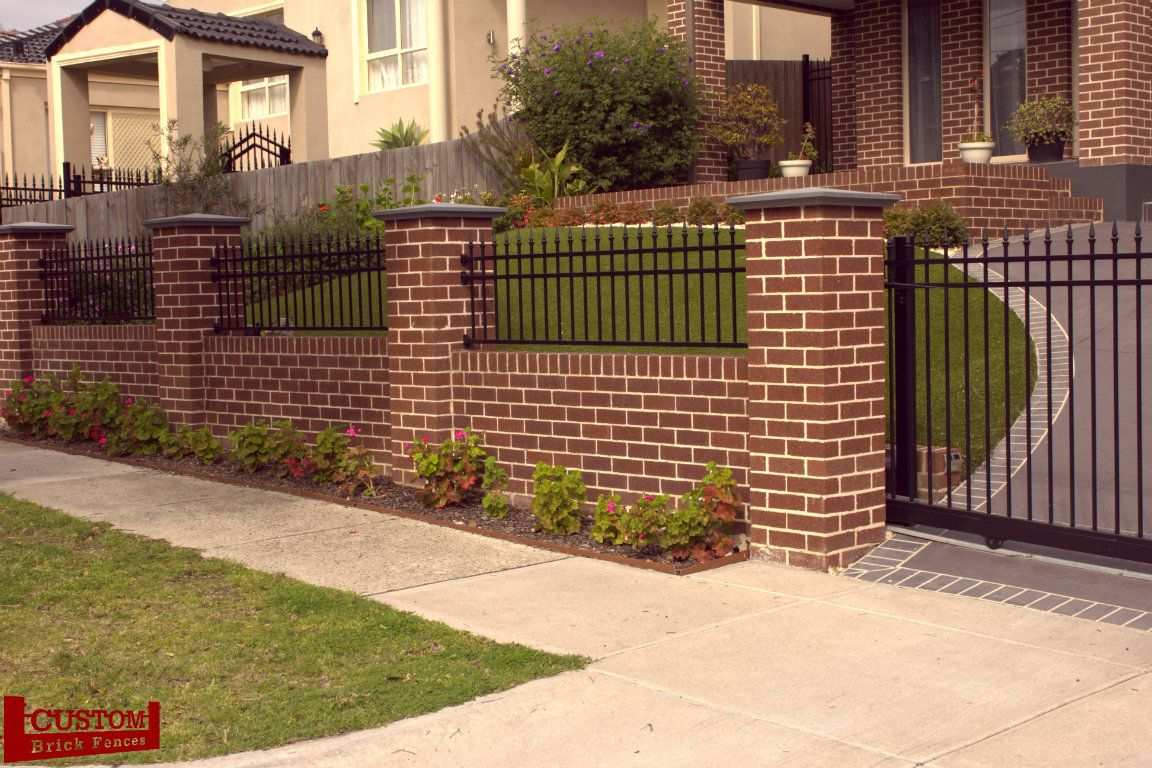
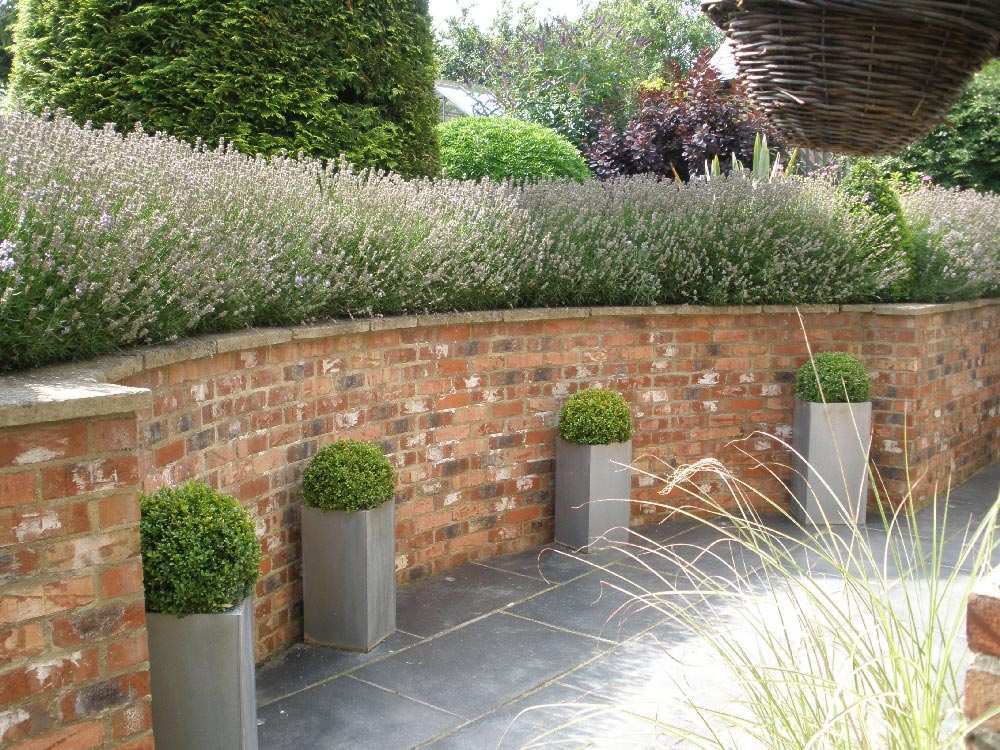
The harmony of red and green never really gets old. In 2026, terracotta and brick walls often feature more natural mortar tones, softer surface textures, and even reclaimed brick. In front of these walls, white-flowering shrubs, wooden seating elements, and dark stone band details work very well. Especially in small gardens, a brick wall creates a strong background, making the planting read more clearly.
Wrought Iron Garden Wall Models
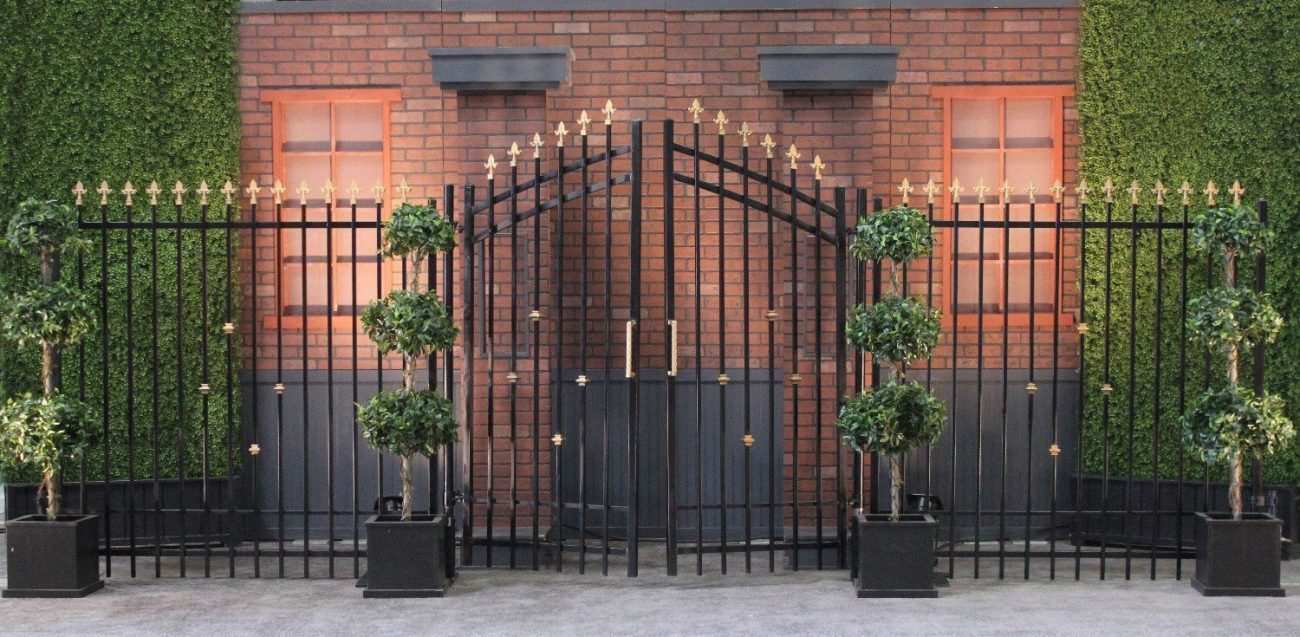
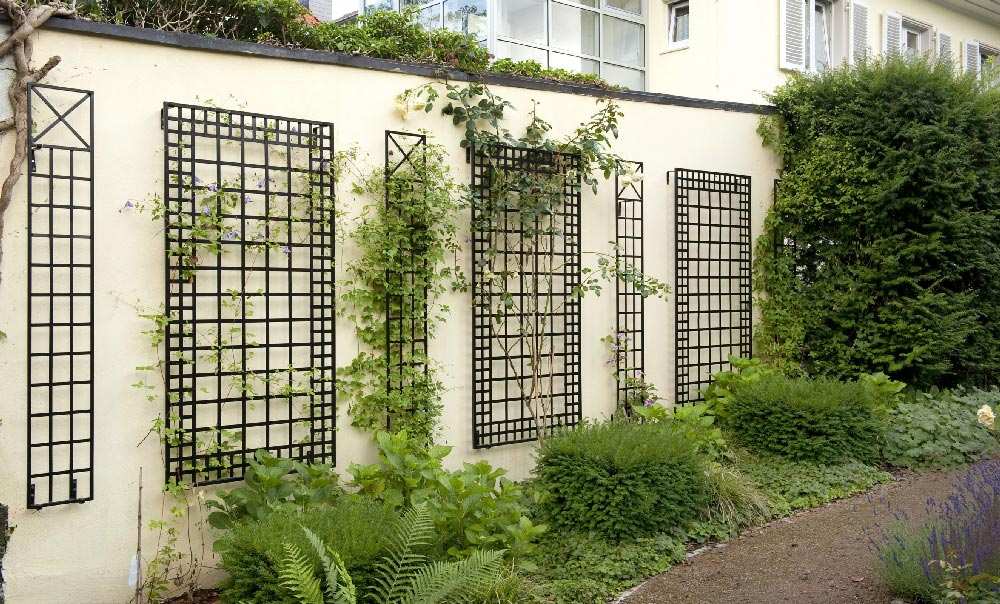
Wrought iron and metal panel solutions are still highly functional for those who want to define a boundary without fully closing the garden. In 2026, laser-cut panels are even more common alongside classic wrought iron: sharper patterns, more modern forms, and a lighter visual line. As privacy needs grow, “double-layer” solutions are also frequently used, combining wrought iron with a plant screen or semi-translucent panels on the inner side.
Corten and Metal Slat Walls
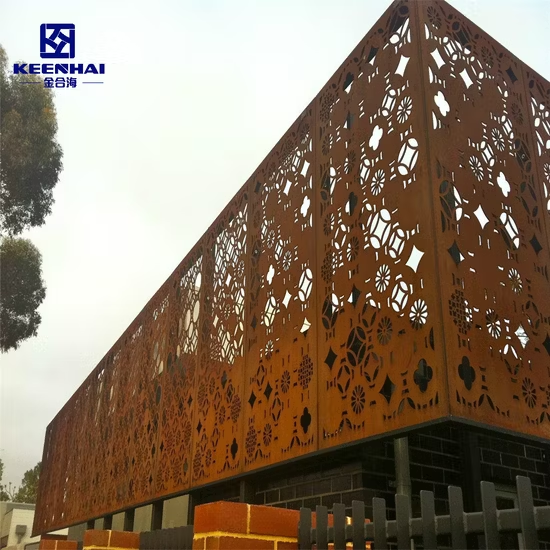
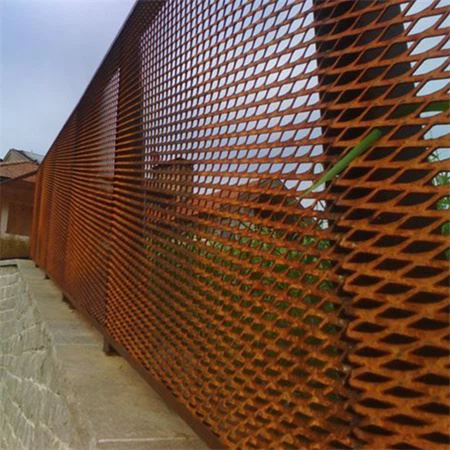
In 2026, metal slat walls (panels that read like vertical ribs) are a major talking point. Corten-like rust patina is a strong option for those who enjoy that character; with correct detailing it creates a very distinctive aging process. For a calmer look, anthracite aluminum or painted galvanized slats stand out. The most critical issue here is how water contacts the metal and how the joints are detailed. If the detailing is solved well, these walls sit comfortably in the “low maintenance, clear aesthetics” category.
Wooden Garden Wall Models
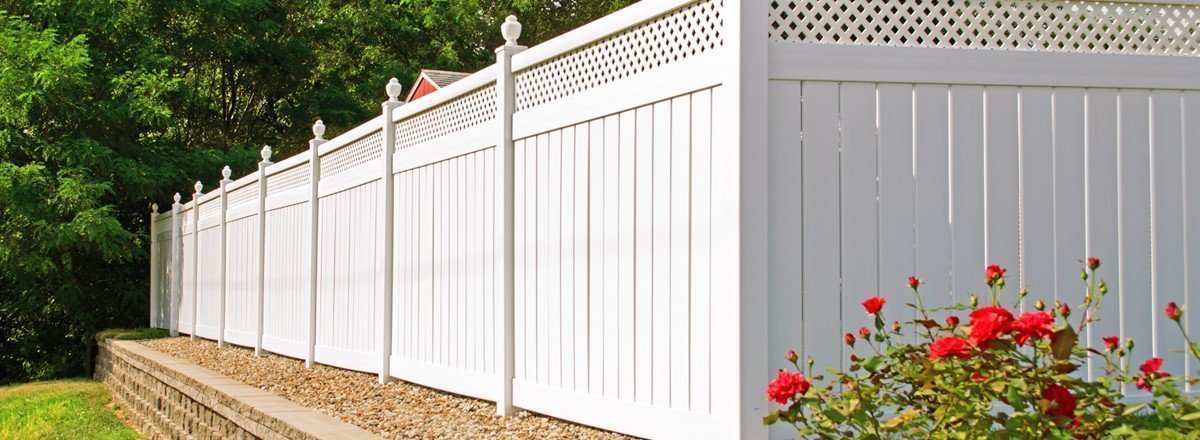
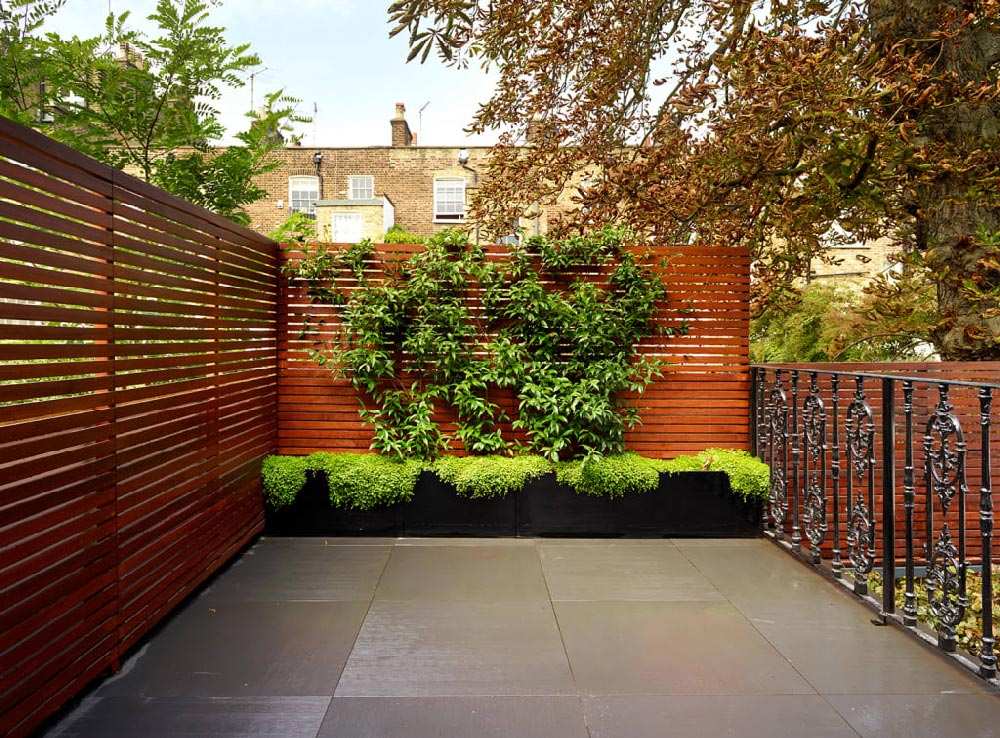
Wooden walls are among the fastest ways to add warmth to a garden. In 2026, the language of wood is more minimal: instead of wide boards, vertical slats, narrow gaps, and shadow lines. White fences are still liked, but natural wood tones and weathered surfaces turning grey are also strongly preferred, especially in modern gardens.
If wood is used outdoors, the protection approach needs to be clear: impregnation, surface oil, correct installation gaps, and cutting contact with the ground. Otherwise, a wooden wall can quickly turn into a “maintenance problem.”
Composite (WPC) and Thermally Modified Wood Panels
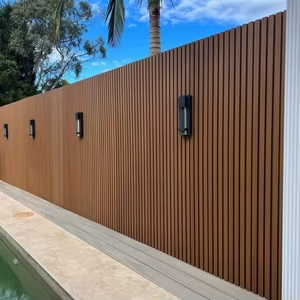
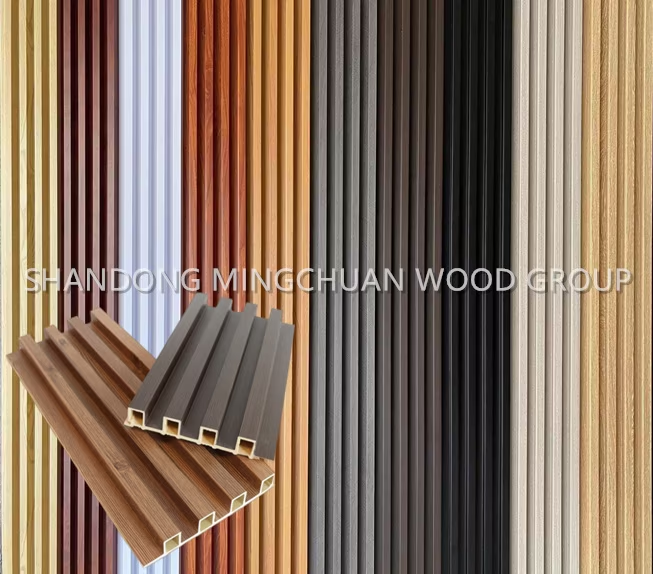
In 2026, composite panels (WPC) are a strong alternative for those who want a wood look but prefer lower maintenance. Thermally modified woods (such as termowood) also stand out because they can behave more stably. The key point with this group is not to expect it to “age like real wood”; if the goal is a more controlled, more uniform surface, it offers advantages.
Precast Concrete Wall Models
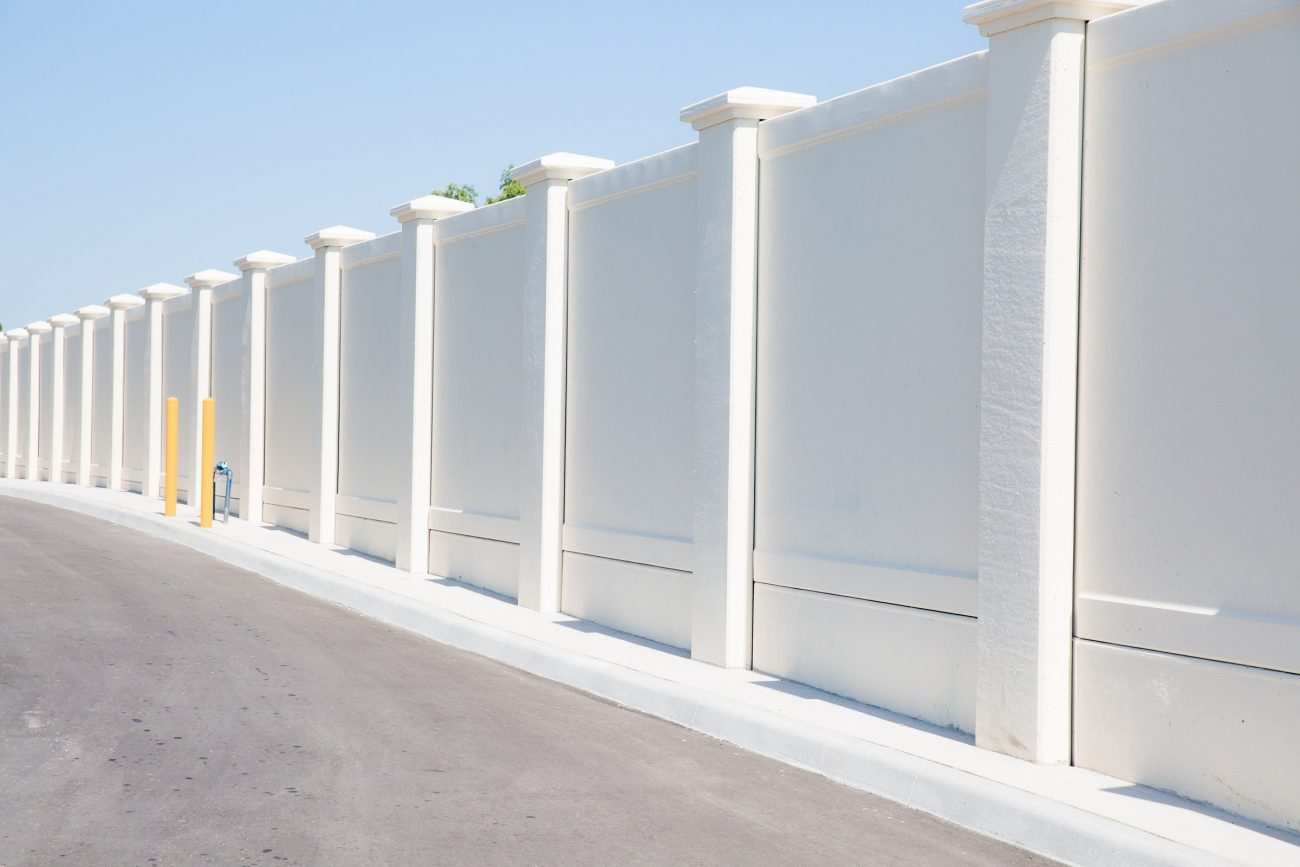
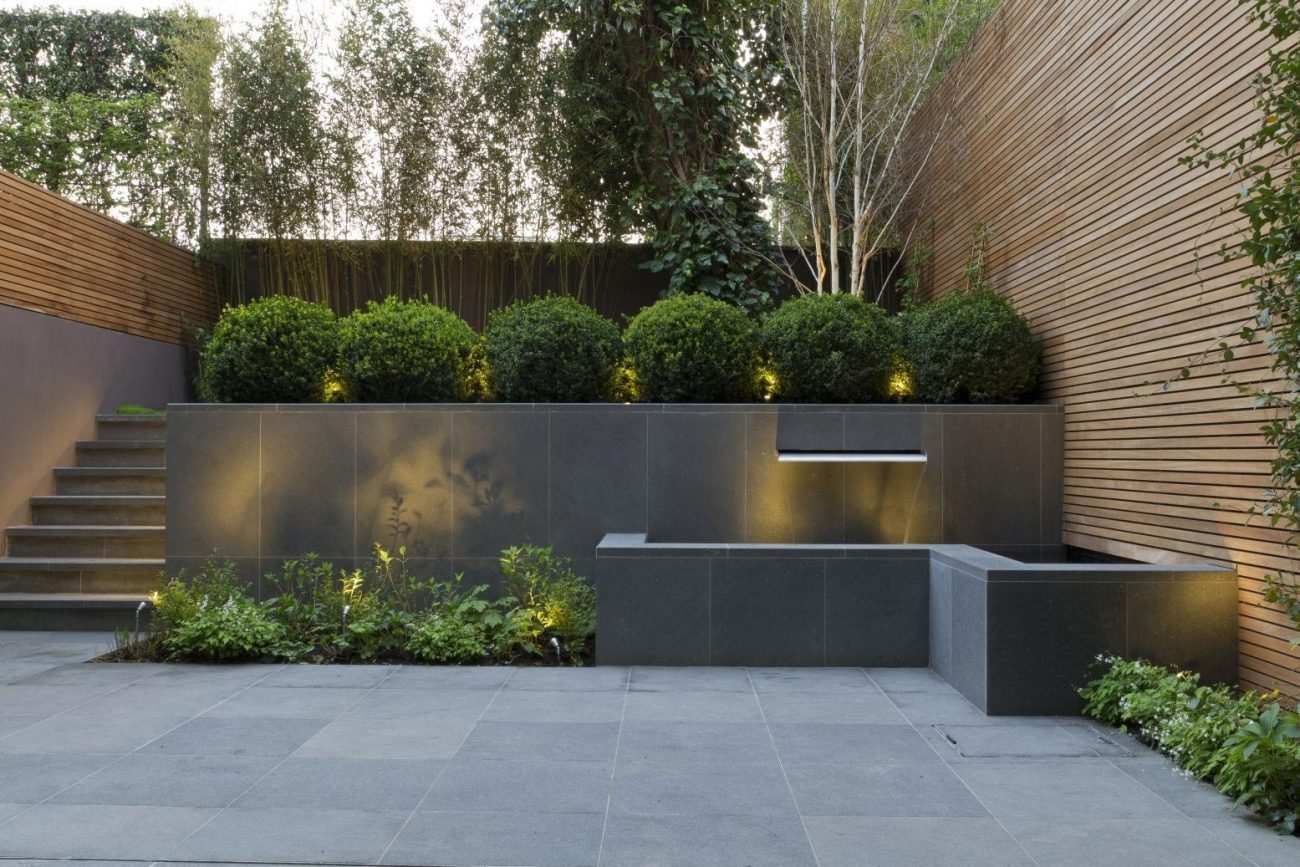
Precast surfaces remain strong in modern gardens in 2026 as well. The difference is this: instead of flatter, more “raw” concrete, textured surfaces with fine detailing and a stone-like feel stand out. Concrete walls also make it possible to design a night garden with the right lighting; linear lighting, recessed spots, and wall-wash effects can make the concrete surface work like a stage.
Gabion Basket Wall Models
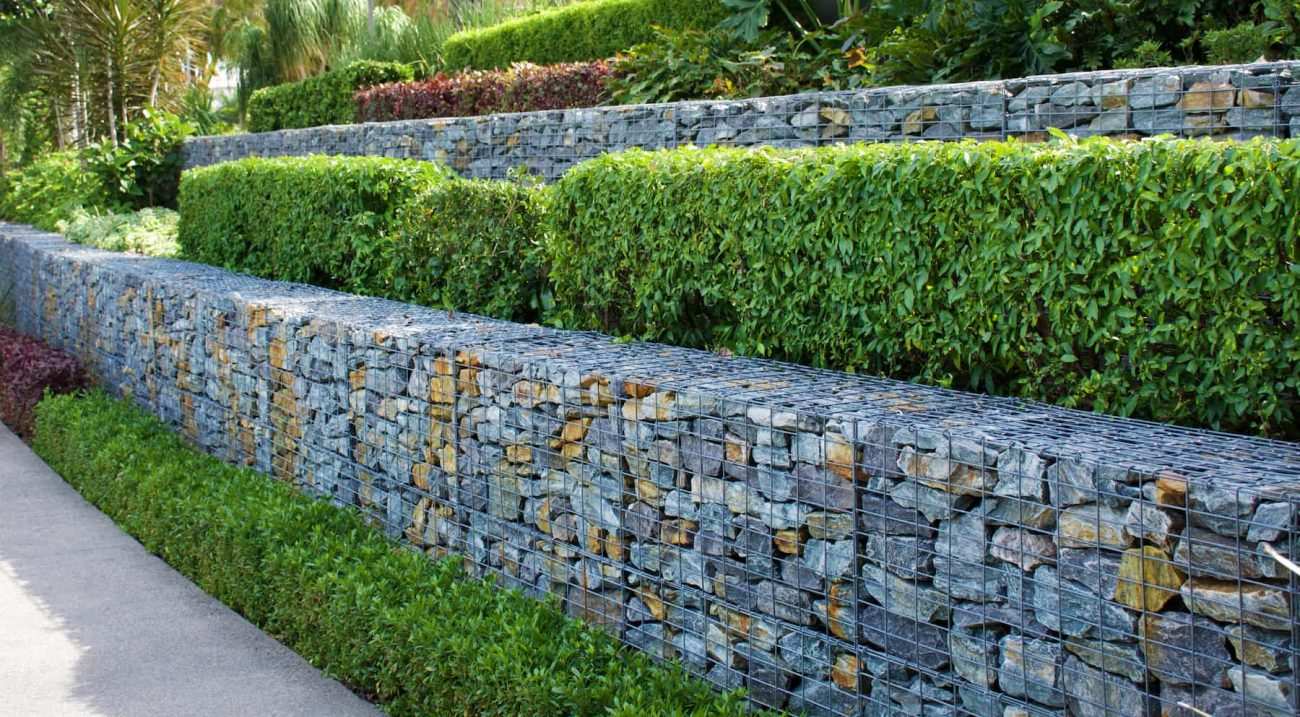
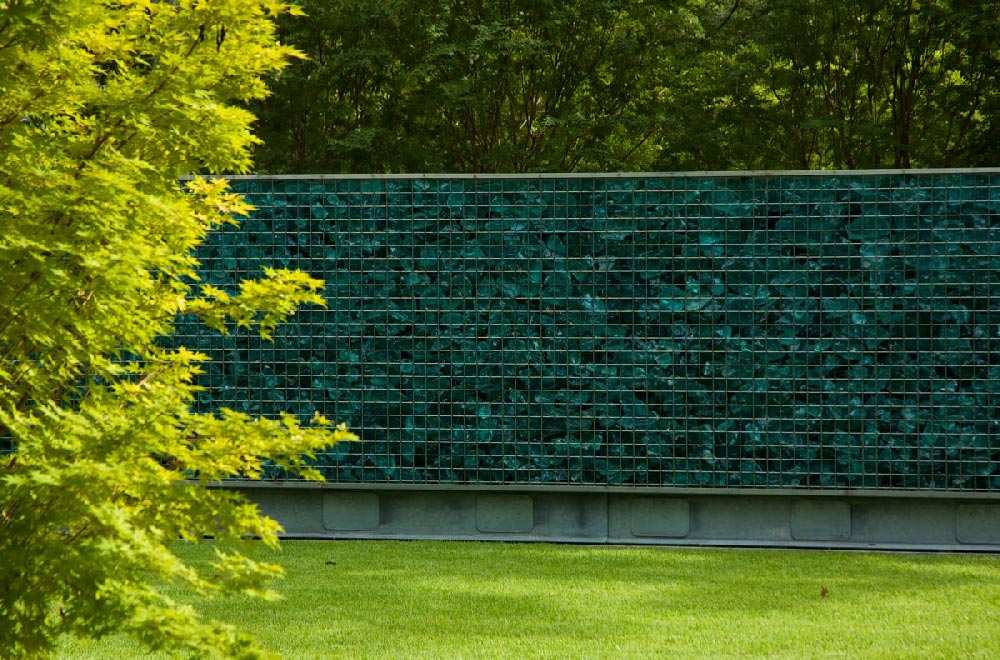
Gabion basket walls are still widely used in modern buildings because they carry a natural-stone feel and can be installed modularly. In 2026, more “thin-framed” and more refined-proportion gabions attract attention. Beyond filling them only with stone, hybrid solutions are also preferred: planting in specific pockets, or adding linear lighting accents between sections.
Natural Stone Garden Wall Designs
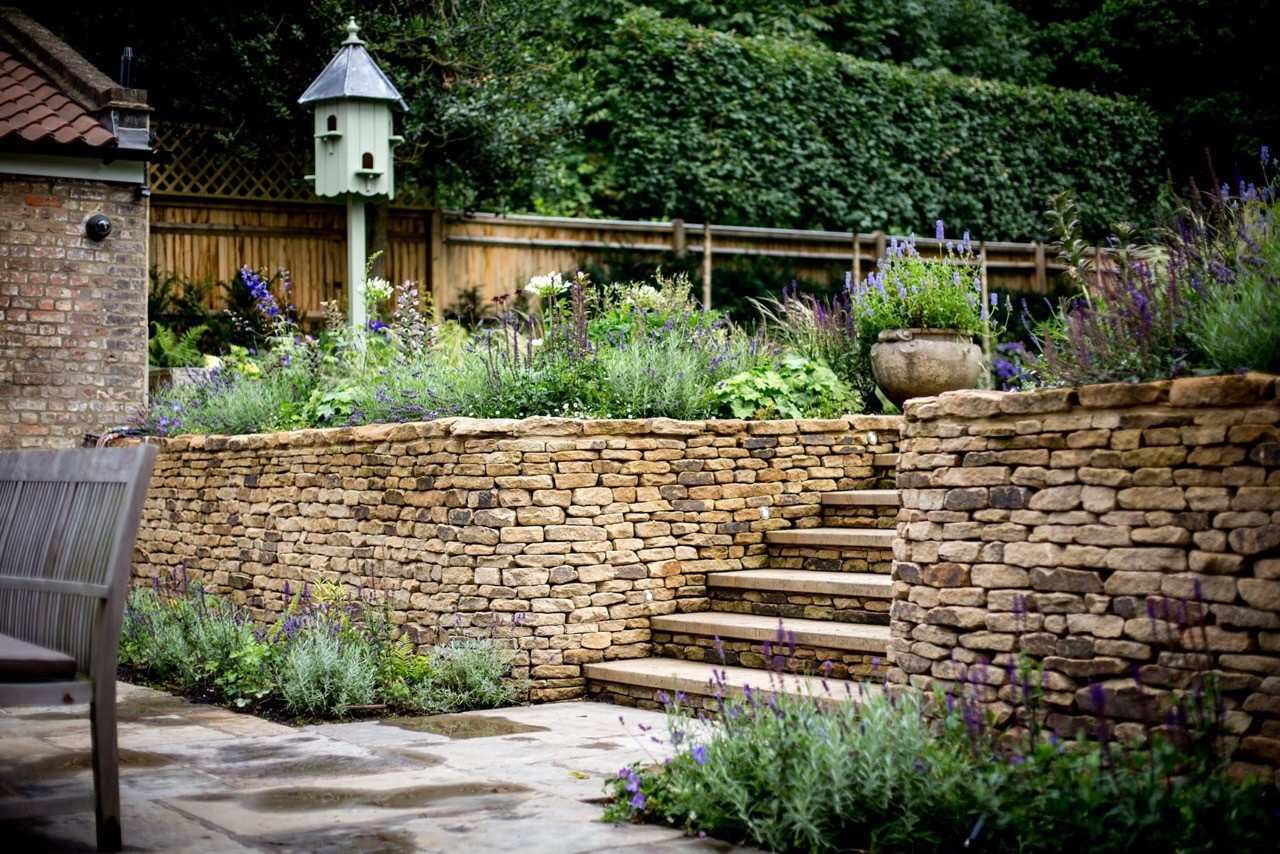
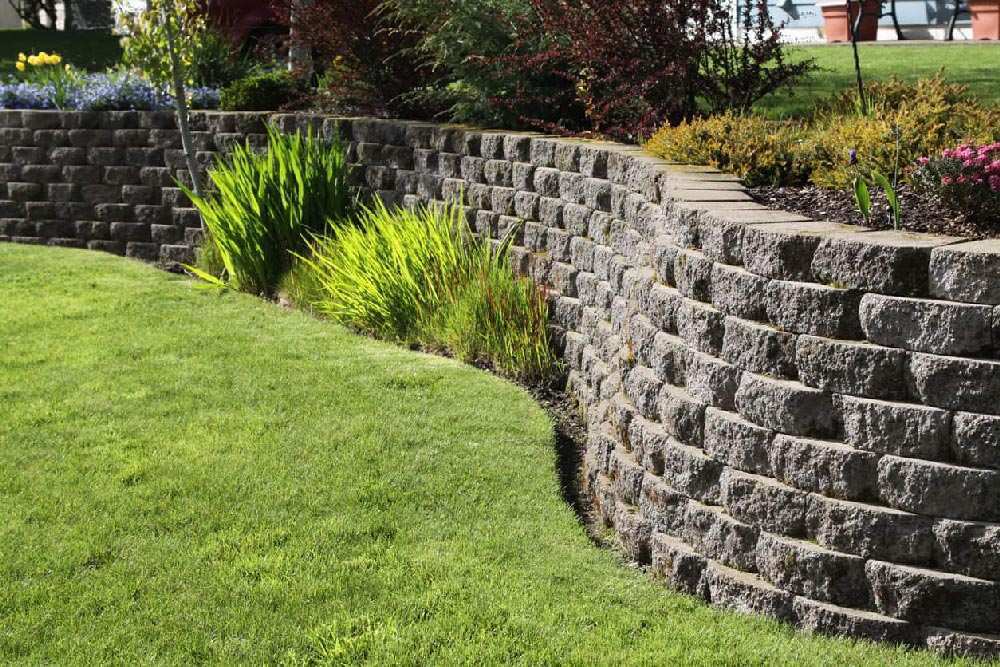
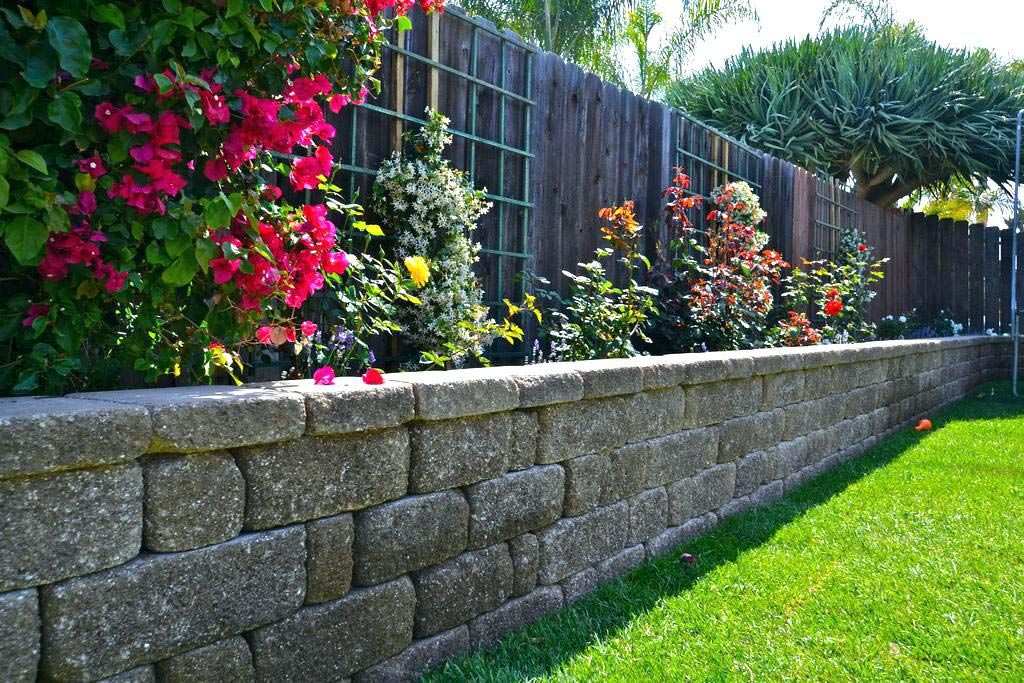
Stone is a wall material that never truly goes out of style. In 2026, two approaches are often seen together: one is more regular mortar joints with a cut-stone aesthetic; the other is closer to dry-stone logic, more natural and breathable. Because of its durability, aging quality, and timeless look, stone still ranks first in long-lived gardens.
On stone walls, a good coping stone, a proper drip detail for water, and the right joint material make a big difference. In frost-prone regions, these details are even more critical: stone can look beautiful, but if the detailing is weak, the wall’s lifespan shortens.
Bamboo Garden Walls and Fences
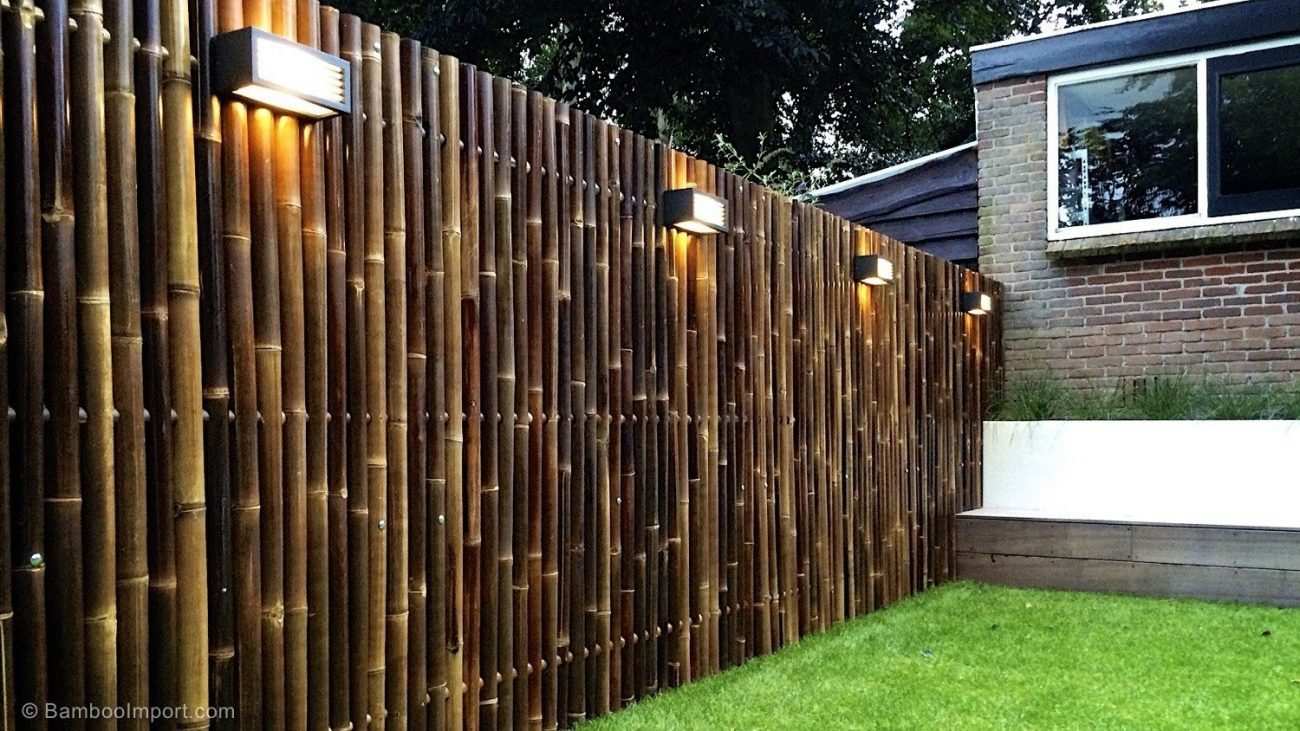
Bamboo screens are still a very strong backdrop in areas where security concerns are low but aesthetics and atmosphere are the priority. In 2026, bamboo works best as a focused accent in “one corner”: behind a pool, as the backdrop of a seating nook, or as part of a zen garden zone. Instead of using it for the entire perimeter, it looks more natural when used like a stage element in selected parts. The key issue is durability outdoors, which depends on correct impregnation and installation gaps.
PVC Fences
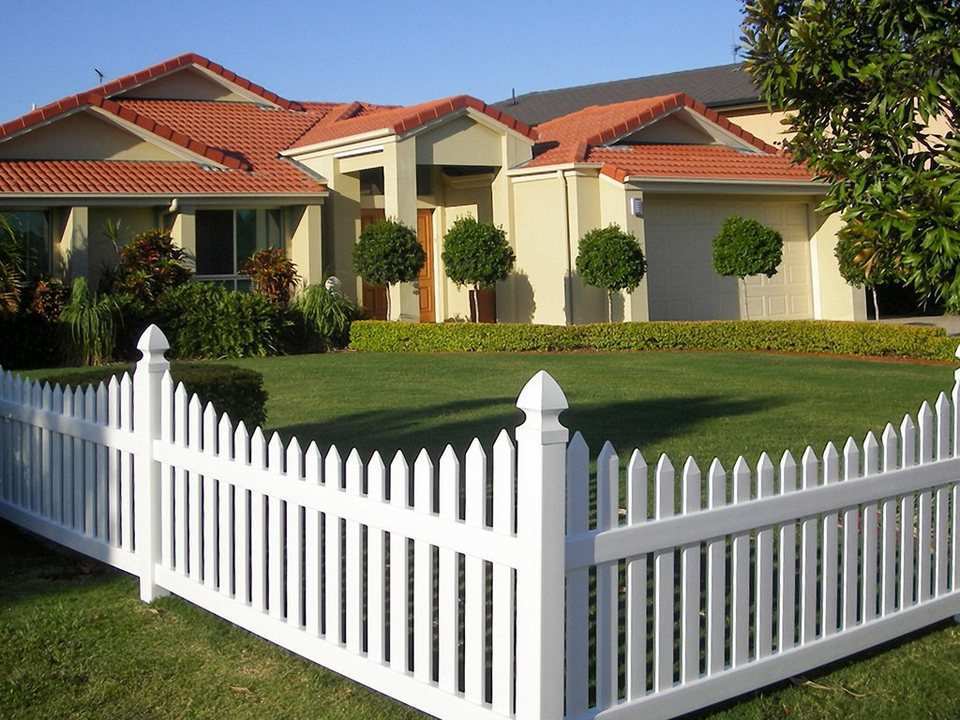
PVC fences are still preferred by those who want a fast, affordable, and orderly look. In 2026, the biggest difference in this category is UV resistance and color quality. Some products can become dull after a few summers. That is why outdoor warranty, UV stabilization, and installation quality become more decisive at the purchase stage. Because they do not feel as heavy and permanent as stone, hybrid solutions often look more balanced in many gardens, for example stone at the base with a lighter panel above.
Using Hedge Plants
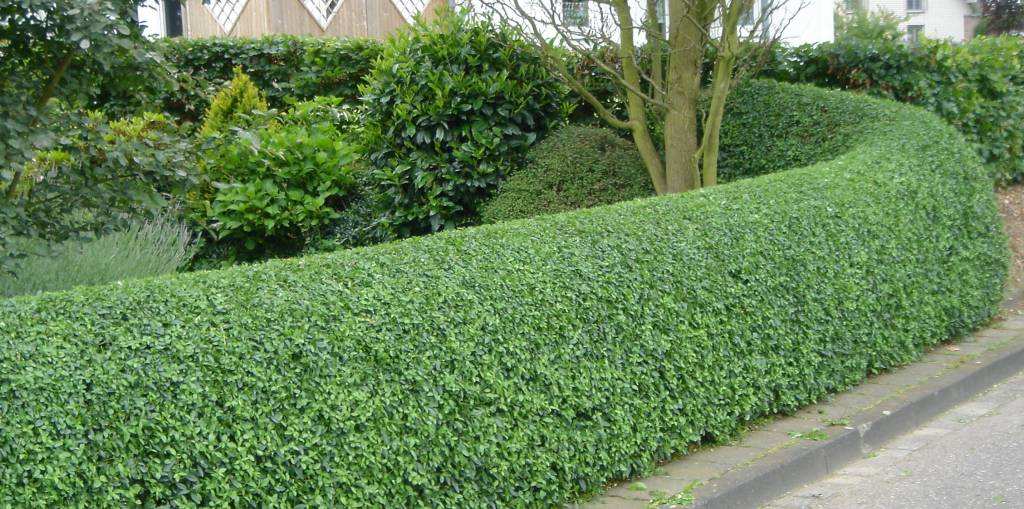
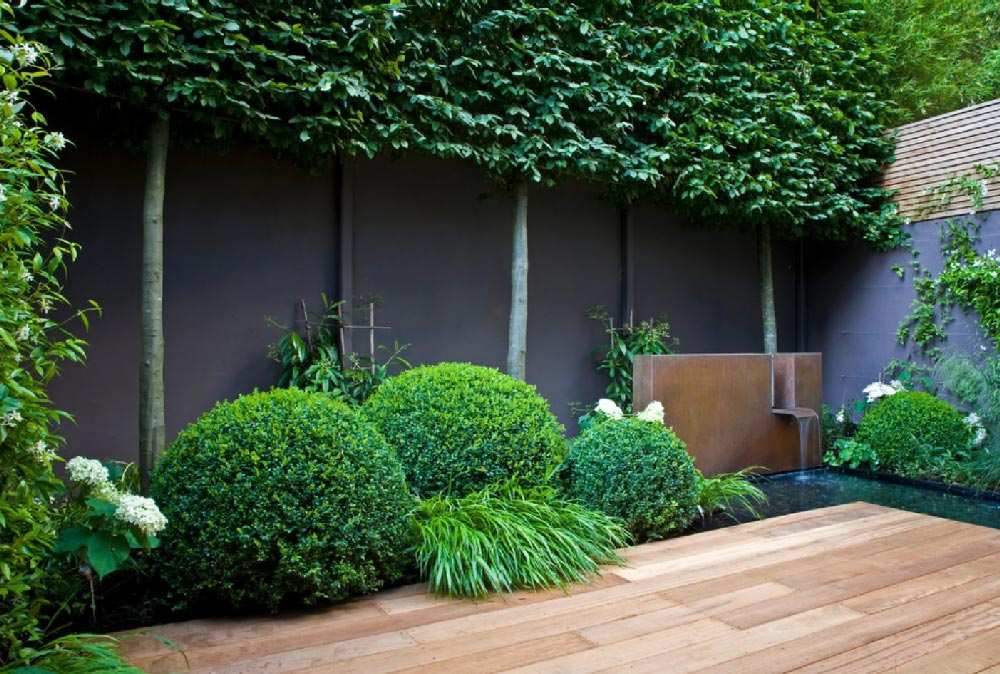
Living hedges make the wall idea the most “alive.” In 2026, instead of a single-species flat screen, mixed-hedge approaches that feel more resilient and more natural are increasingly preferred. This can reduce disease risk and keep the garden lively with small seasonal changes. Another major advantage of a hedge is that it absorbs dust, wind, and noise much better.
Success with a hedge depends most on irrigation and pruning rhythm after choosing the right species. If you provide regular watering and shape pruning in the first two years, it often becomes a stable, lower-maintenance living wall in later years.
Artificial Grass Fence Panels

Artificial grass fence panels are still widely used, especially where a quick solution is needed. In 2026, the key issues are “realistic texture” and resistance to fading in sunlight. Some panels look good at first, but their color can become artificial by the end of the season. For better results, it helps to check a sample under daylight and to plan a detail that hides edge joints after installation.
Garden Wall Cladding Models
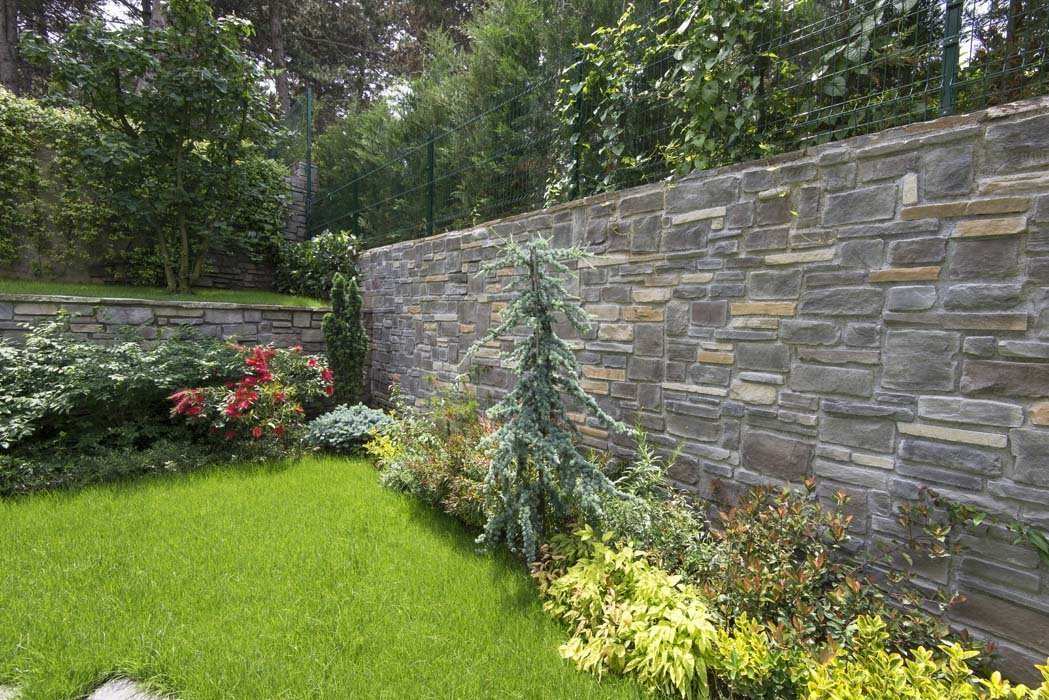
As an economical solution, it still makes sense to build the structural wall using a cost-effective material such as concrete, and finish the exterior with cladding. In 2026, the cladding side highlights thin stone-look panels, fiber-cement claddings, and larger-format surfaces. Larger formats reduce the number of joints and read more “cleanly” in modern gardens.
To review different cladding examples, you can look here.
Mixed-Material (Hybrid) Wall Models
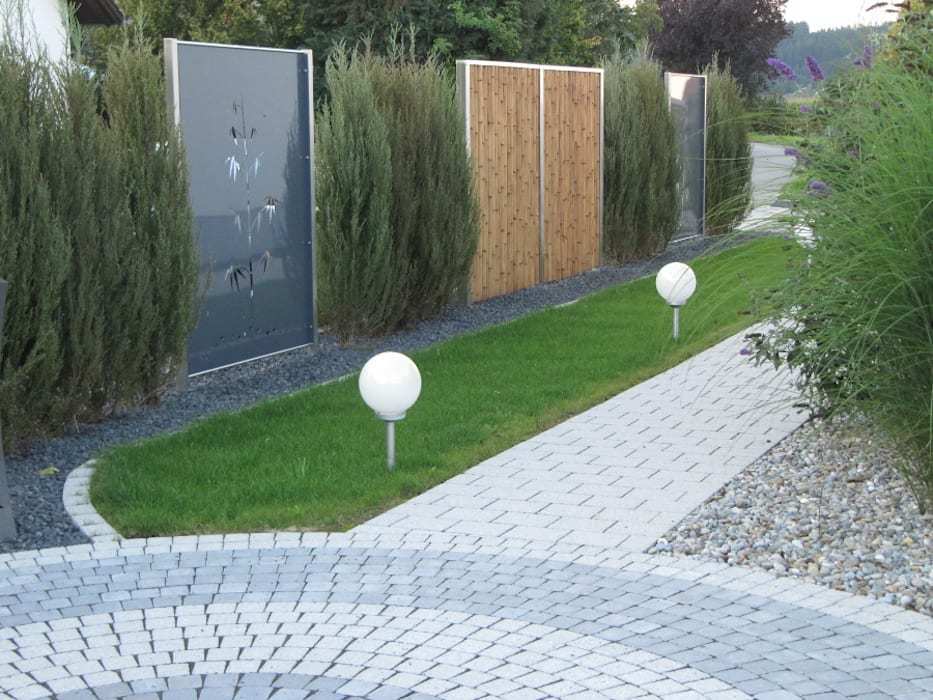
If you are tired of standard wall models, the strongest approach in 2026 is mixed-material walls. Hybrid solutions such as a stone base with metal slats above, concrete with wooden slat bands, or gabions with planting pockets can create very distinctive designs. Adding a small niche, house number, mailbox, or a slim lighting line can turn the wall into a true “design object.”
Examples of Decorative Garden Wall Models
Now let’s look at different examples together. While reviewing these visuals, it helps to notice not only the material, but also the relationship between the wall and planting, and the language it builds with light.
A Quick Durability and Maintenance Check for 2026
A small check before building a wall can prevent major expenses years later. For stone and concrete walls, water drainage and coping details; for metal, rust protection and joint points; for wood, cutting ground contact and leaving installation gaps; for hedges, irrigation lines and pruning access; and for panel systems, UV resistance and clean joint aesthetics after installation seem to be the most critical topics.
In this article, I updated garden wall models according to a 2026 approach and added new options. If you want, the next step can be a similarly updated article on “garden wall lighting” and “planting combinations in front of walls.”


