
Hızlı Git
Juniper is the common name for needle-leaved tree and shrub-form taxa belonging to the genus Juniperus within the cypress family (Cupressaceae).
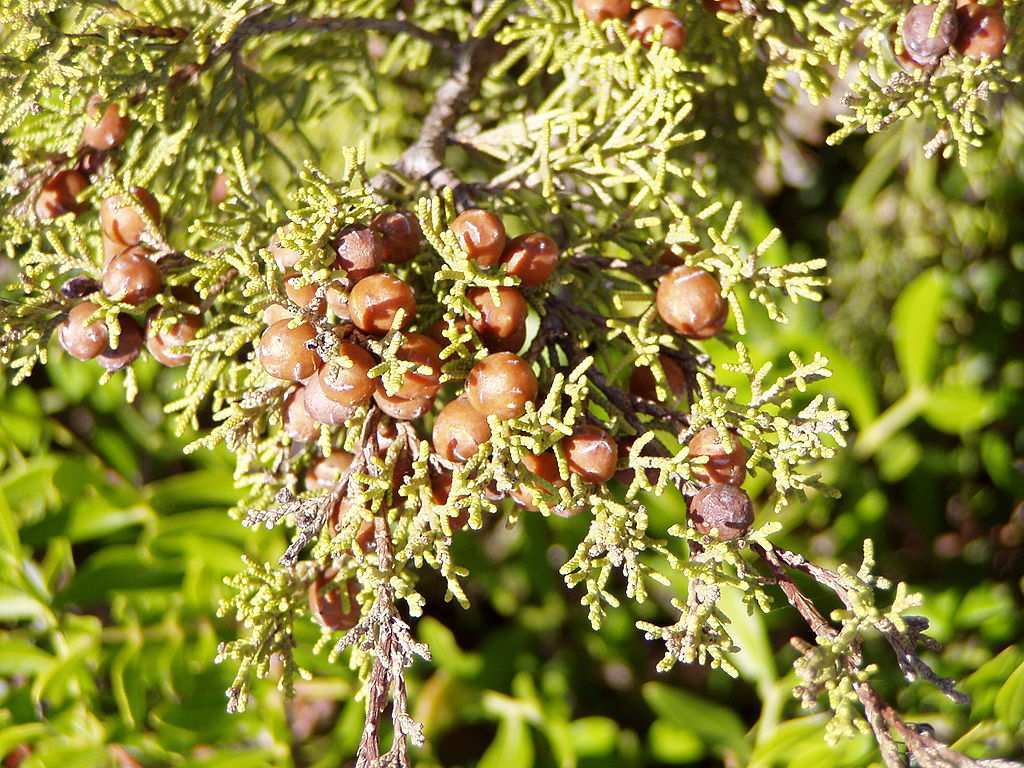
Juniper Seeds
Reproduction in junipers can be quite demanding. Many juniper species are dioecious, meaning male and female cones occur on separate plants; therefore, seed formation depends on the presence of both sexes in the same area. In addition, birds play an effective role in natural regeneration: when they eat fallen juniper “berries” (fleshy cones), the seed coat can be weakened in the digestive system, and the seeds are deposited with droppings into the soil, which may support germination.
Use of Junipers in Landscape Design
- Spreading junipers are frequently preferred in highway and roadside landscaping,
- Because they tolerate pruning, their size can be kept under control,
- When used in masses, they can create a background that highlights the object in front,
- With their varied foliage colors, they help create harmony in planting designs,
- They are adaptable and generally low-maintenance,
- They can be a strong alternative to lawns when irrigation and intensive upkeep are not desired,
- They are hardy and can survive under challenging conditions,
- They are long-lived and therefore valuable for sustainable design approaches.
Juniper Species Growing in Turkey
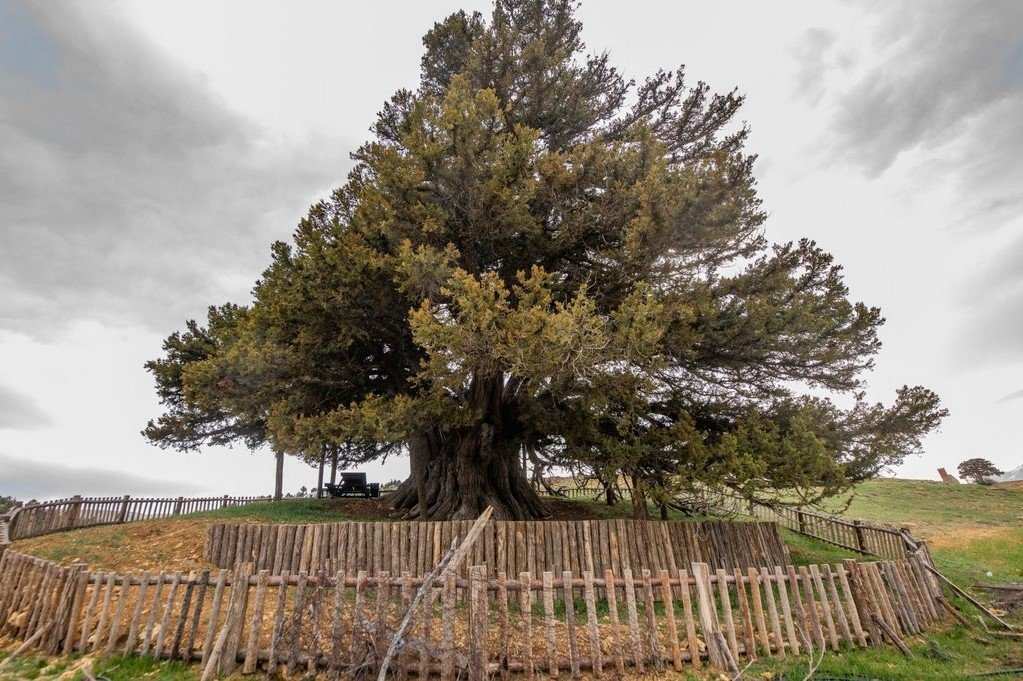
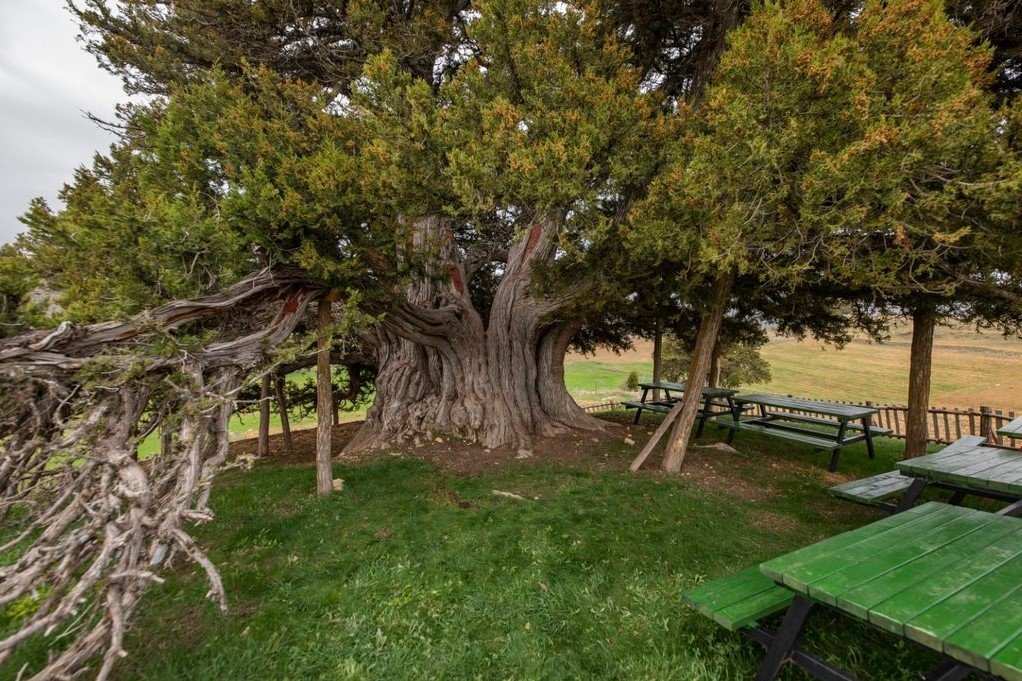
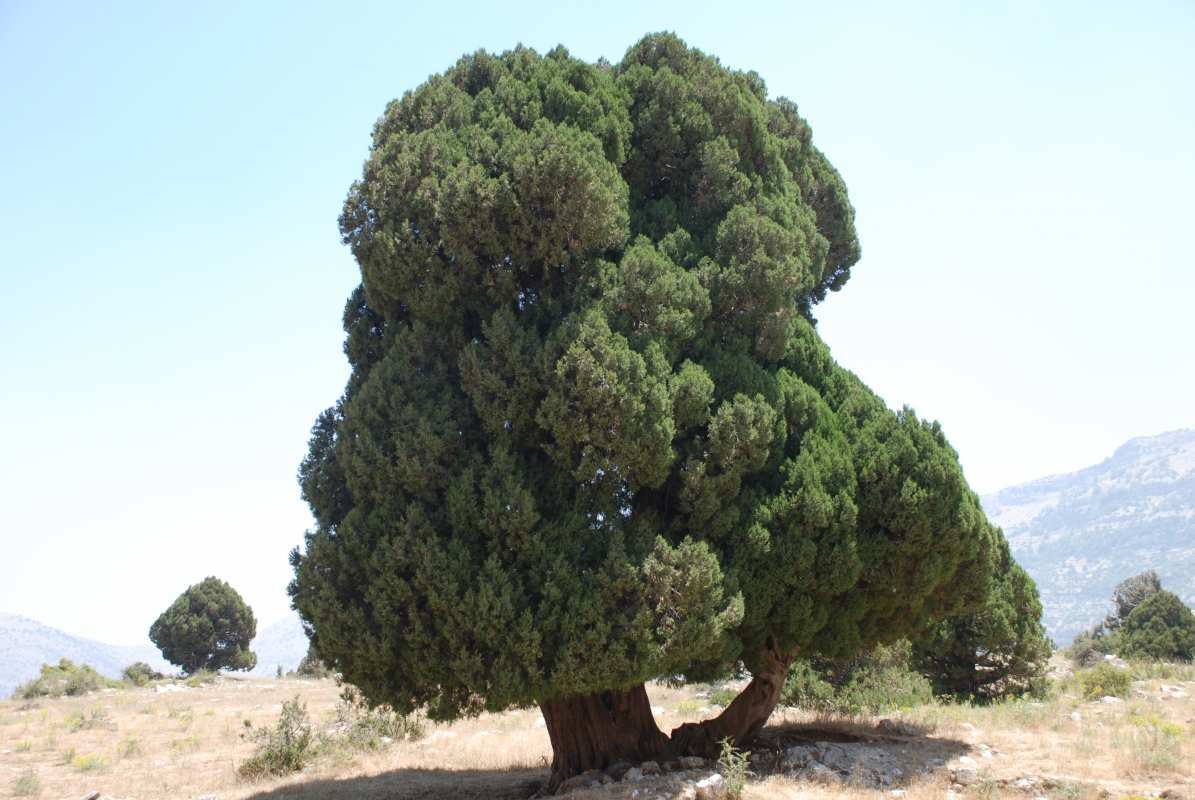
It is reported that a very old juniper in Konya, Taşkent, Alata (Balcılar) is among Turkey’s oldest trees, and is also described as the second-oldest tree in the world. This tree is estimated to be around 2300 years old and is locally called “ağıl ağaç.” You can see the related information here.
1. Juniperus oxycedrus (Prickly Juniper / Cade Juniper) – Key Features
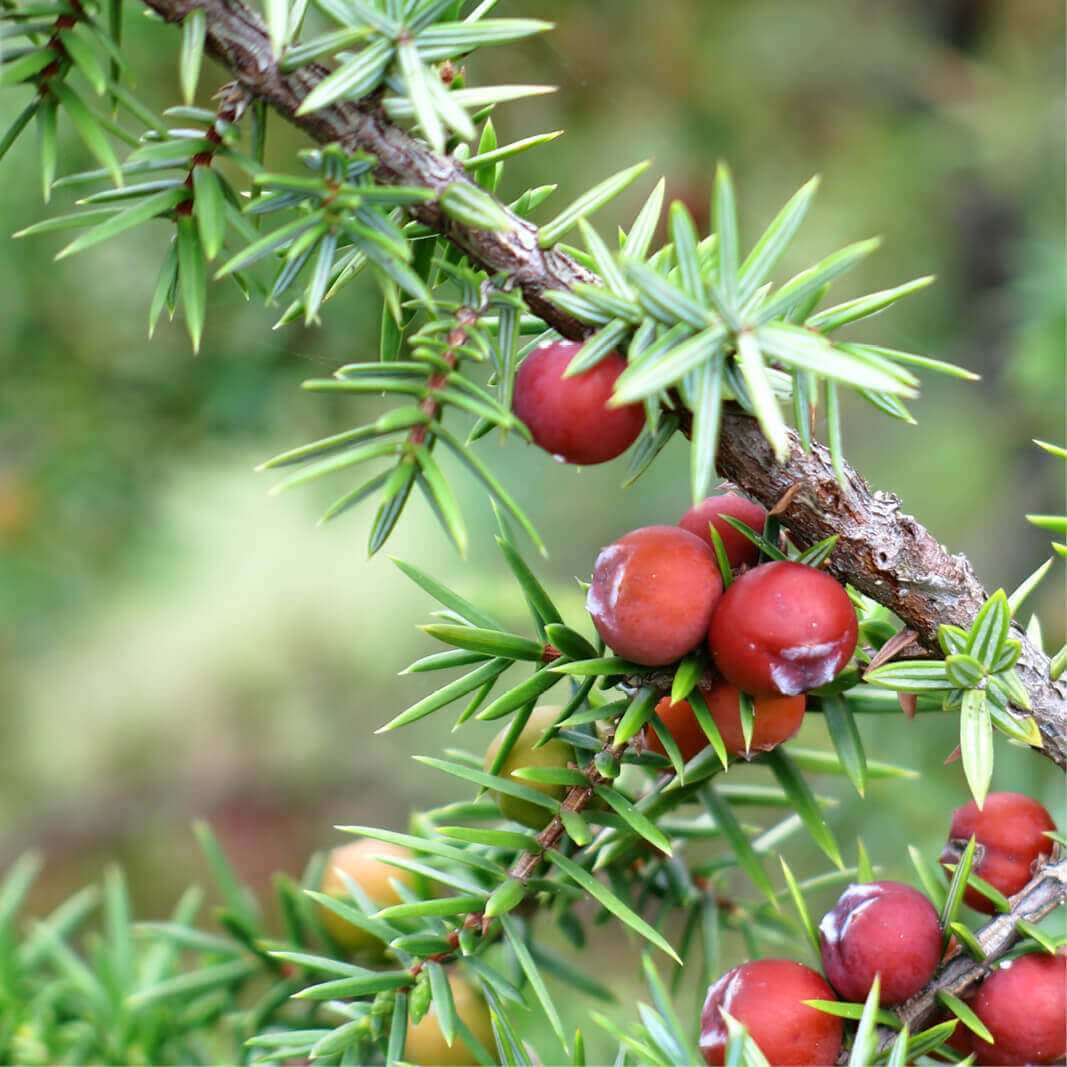
- Mostly a shrub, sometimes a small tree or treelet,
- Needle leaves are sharp and prickly, arranged in whorls of three,
- Leaves typically show stomatal bands; it bears red fleshy cones around 1–2 cm; on some fruits, a three-radiating mark at the tip can be noticed,
- Performs well on poor, shallow, stony, sandy-loam and even heavy loam soils,
- Can be used in parks, gardens, and as a windbreak.

2. Juniperus communis (Common Juniper) – Key Features
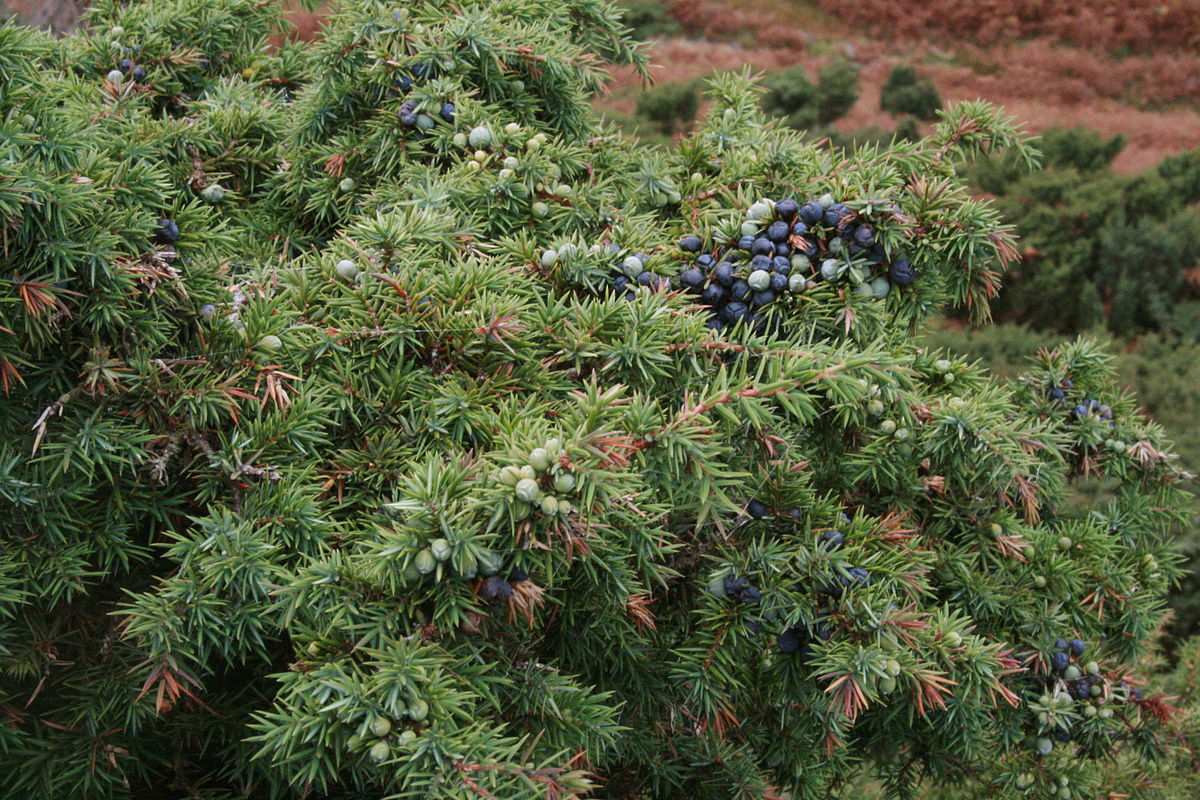
- Highly variable: from ground-hugging forms to individuals reaching about 15 m,
- Overall form can be pyramidal or columnar,
- The grey-brown bark is initially smoother, later developing longitudinal fissures,
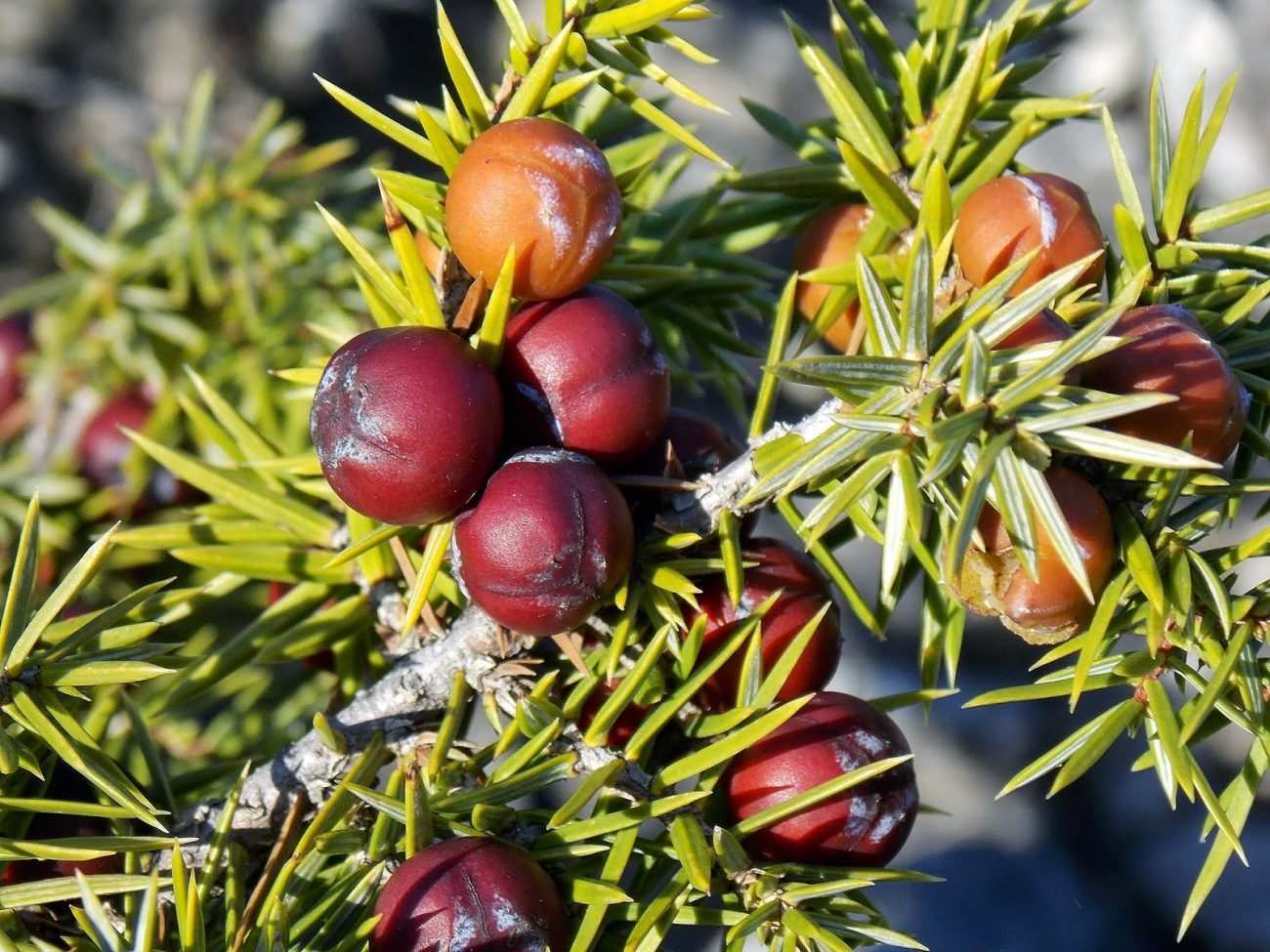
- Needle leaves (about 1–1.5 cm) are stiff, prickly, and arranged in whorls of three; a broad single stomatal band is visible on the leaf surface,
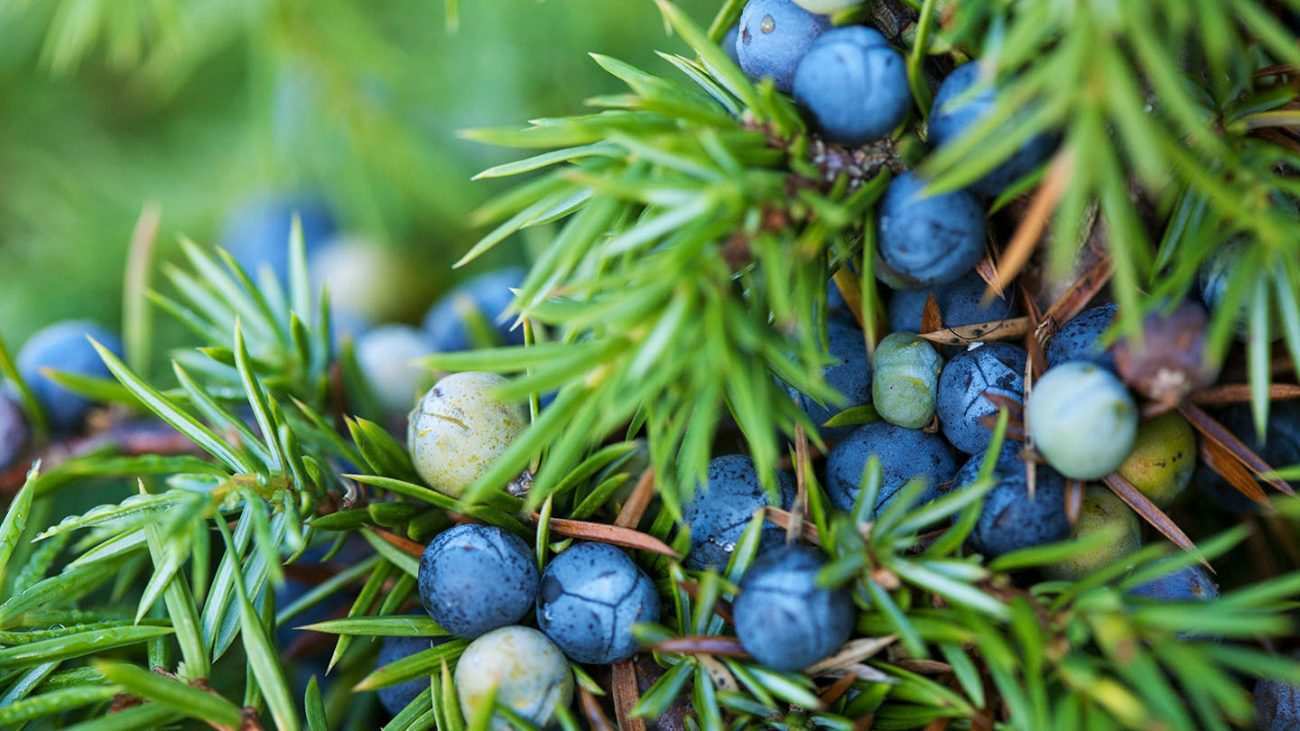
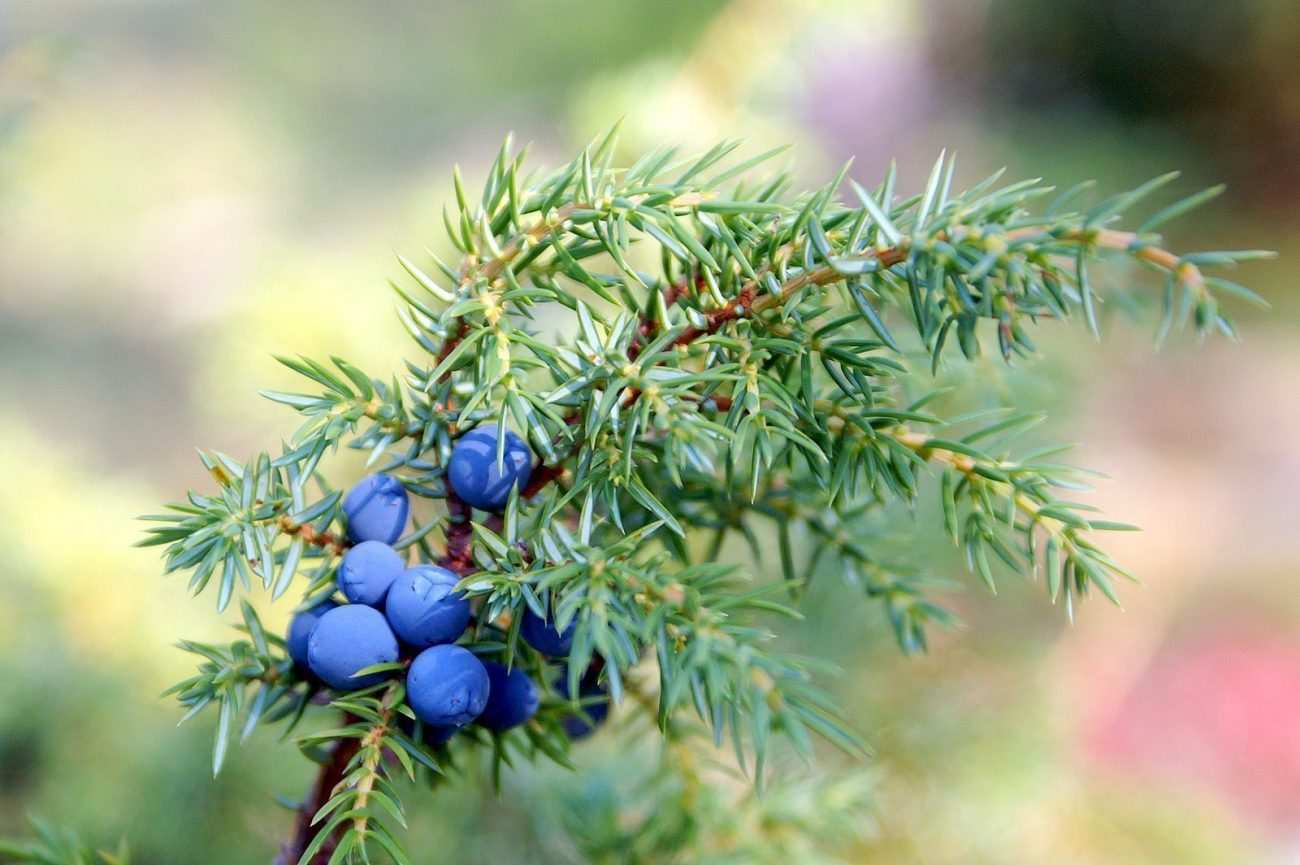
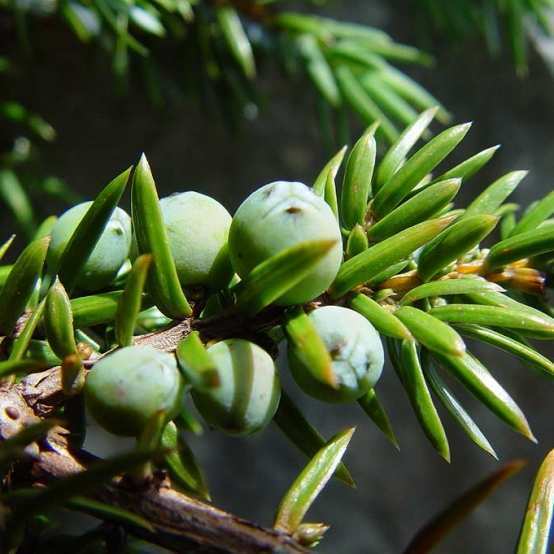
- Berry-like cones are typically 6–9 mm in diameter and attached by a short stalk; cones ripen in 2–3 years (green in the first year, then turning smoky-blue),
- Not overly selective about soils, yet it does not favor very poor sandy substrates; it prefers light, tolerates polluted air, and grows slowly,
- Landscape use: suitable for urban settings, parks, gardens, industrial areas; also used in rock gardens, roadside planting, as a background plant, and as a specimen.
3. Juniperus communis subsp. nana (Dwarf Common Juniper) – Key Features
- Occurs in mountainous zones; in Turkey it can be found widely between about 1100–2600 m (for example around Erciyes, Uludağ, and Kazdağı),
- Typically 30–40 cm tall, with prostrate branches; branches are thick, short, and angular,
- Performs well in sunny places where relative humidity is higher; extremely cold-hardy; not notably affected by industrial areas; slow-growing.

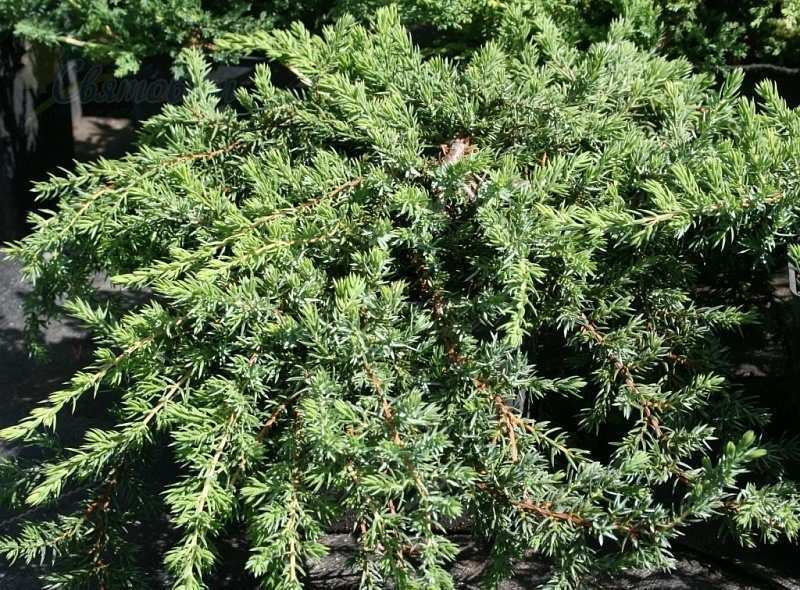
4. Juniperus communis ‘Hibernica’ (Irish Juniper) – Key Features
- An evergreen, pyramidal shrub typically reaching about 3–4 m; when it reaches that height, it may begin expanding slightly laterally, but it does not spread excessively; slow-growing,
- Branches and branch tips are oriented upward; mainly valued for its form,
- The reddish bark covers branches and trunk; with age it darkens and becomes layered; needles are sharp-looking but relatively soft to the touch; foliage appears blue-green in warm seasons and darker in winter,
- Fruits resemble small ornaments; it may begin fruiting from around the second year (depending on conditions),
- Prefers sunny sites; in insufficient sun its form can loosen and deform; under very intense sun, scorch may occur.
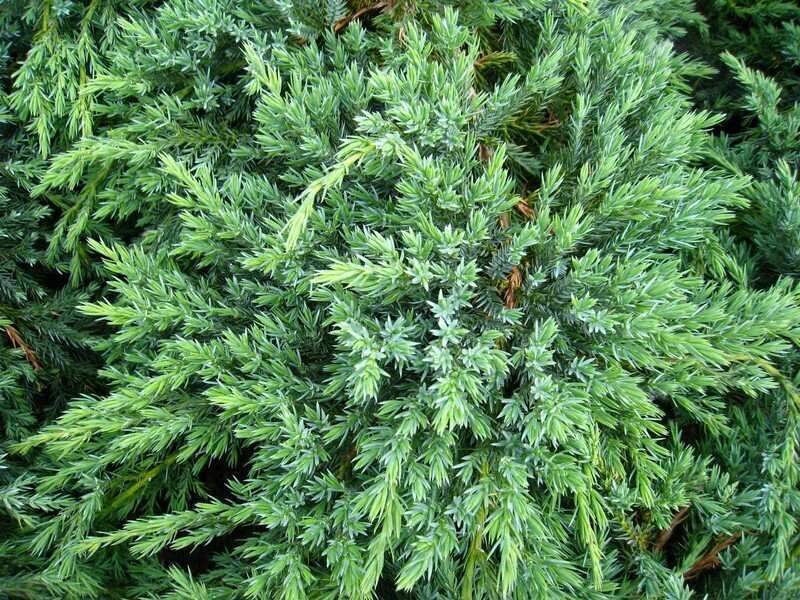
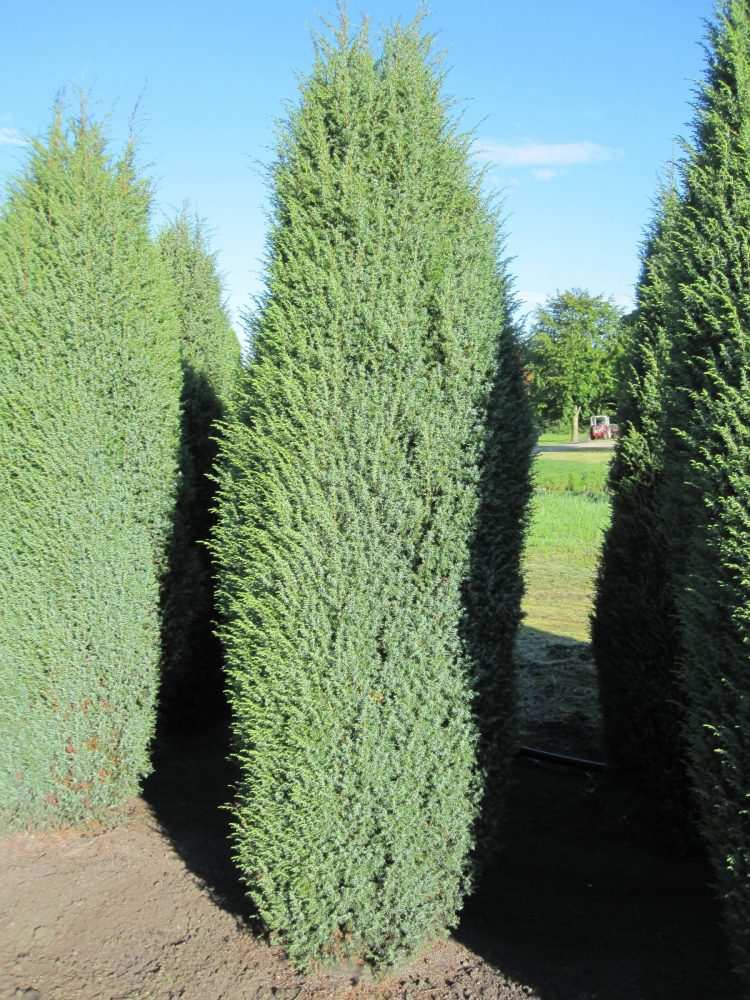
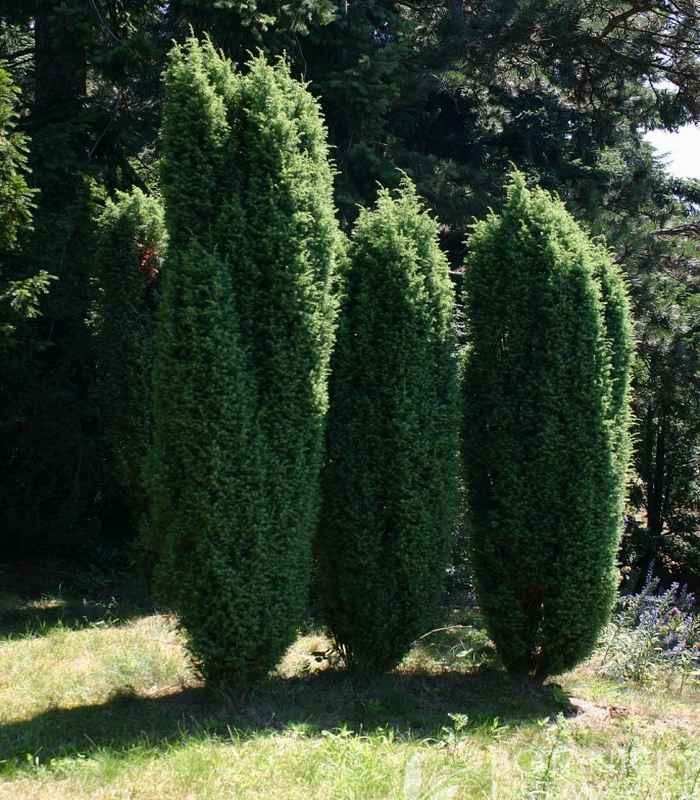
5. Juniperus horizontalis (Creeping Juniper) – Key Features
- About 0.8–1 m tall and 2–3 m wide; branches extend parallel to the ground; scale-like leaves are small and bluish green and typically do not show strong autumn color change,
- Has glaucous (waxy, bluish) berry-like cones; grows in sunny and semi-shaded sites,
- Flowers in May and begins fruiting in June–July; first fruits often appear in the second year; very slow-growing and may add only around 10 cm per year,
- Prefers open sunny locations; does not like harsh winds; frost-tolerant, but heavy snow can break branches; branches regain elasticity in early spring.
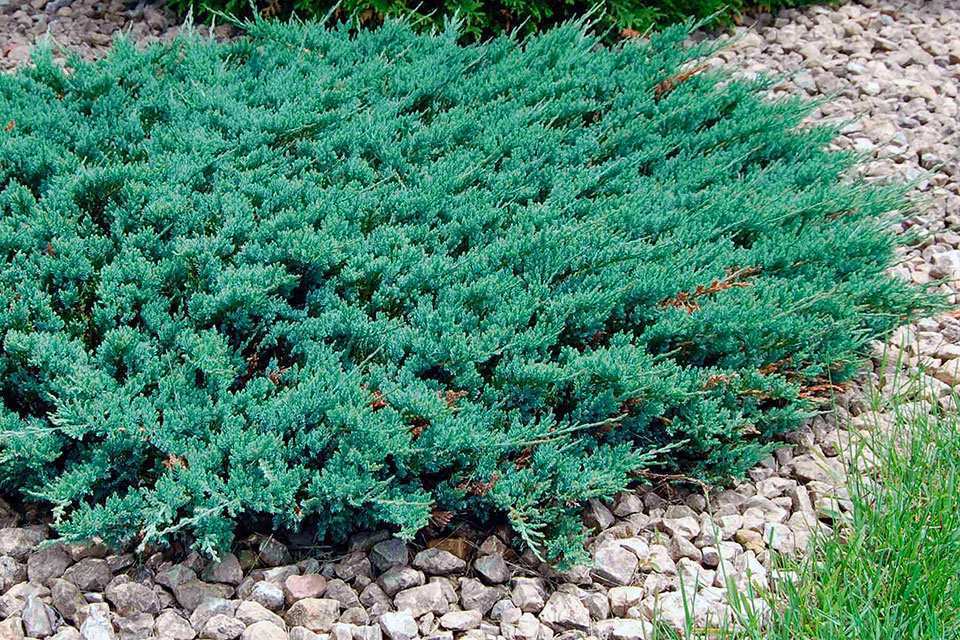
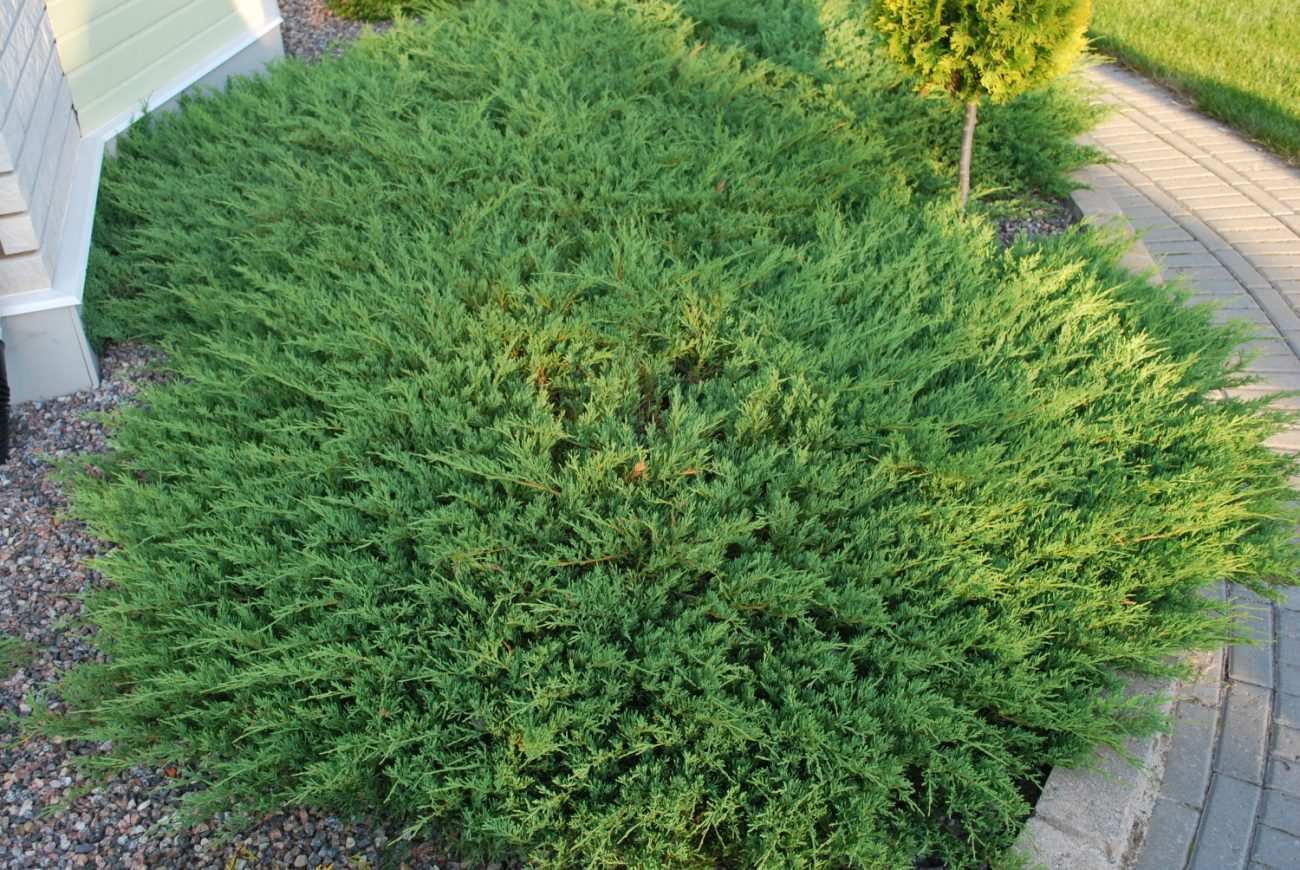
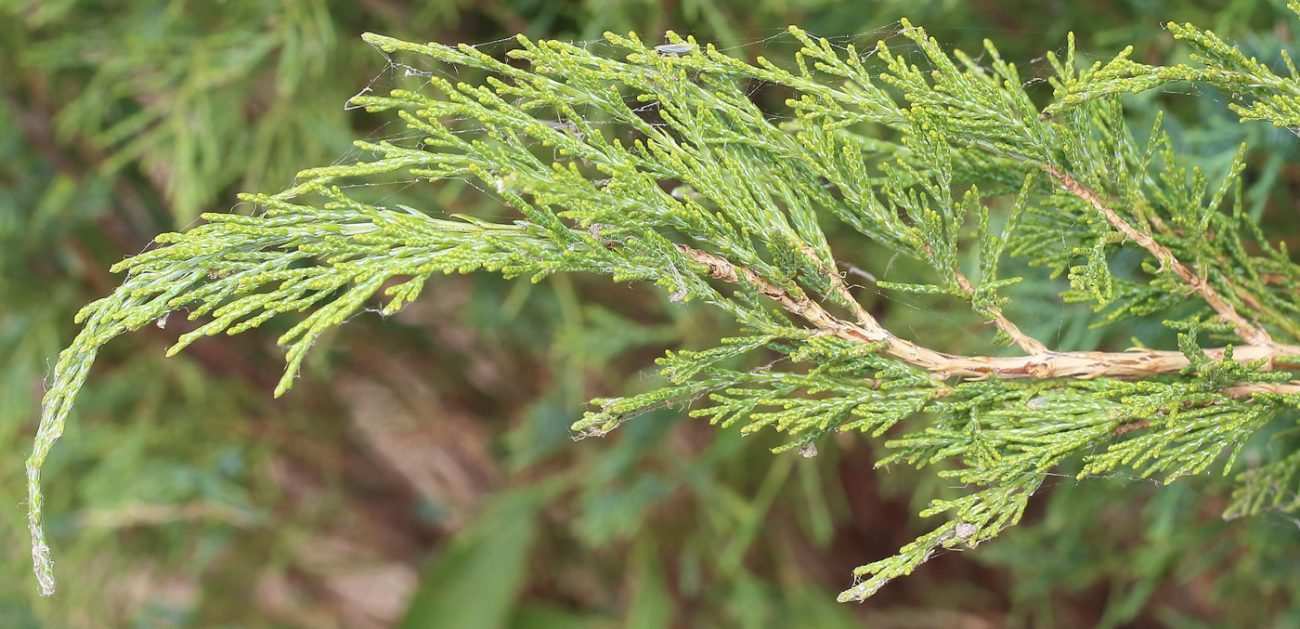
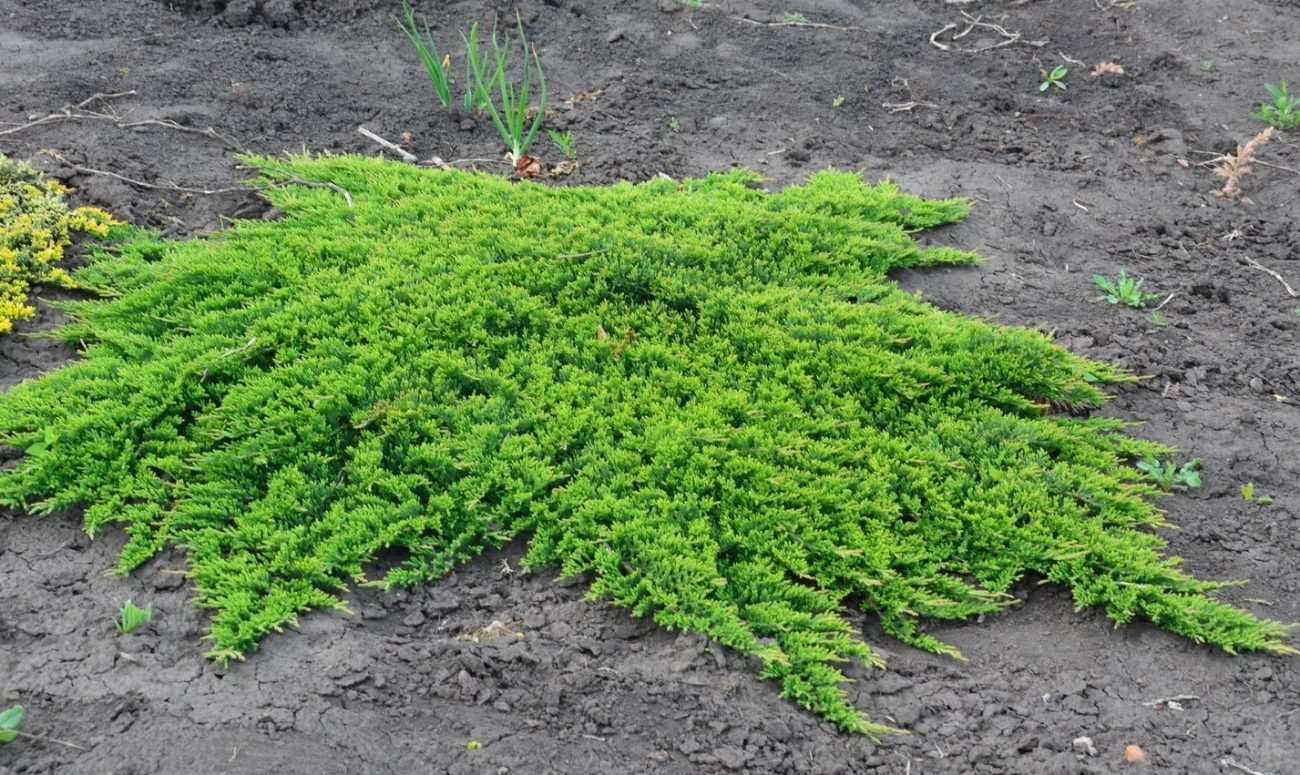
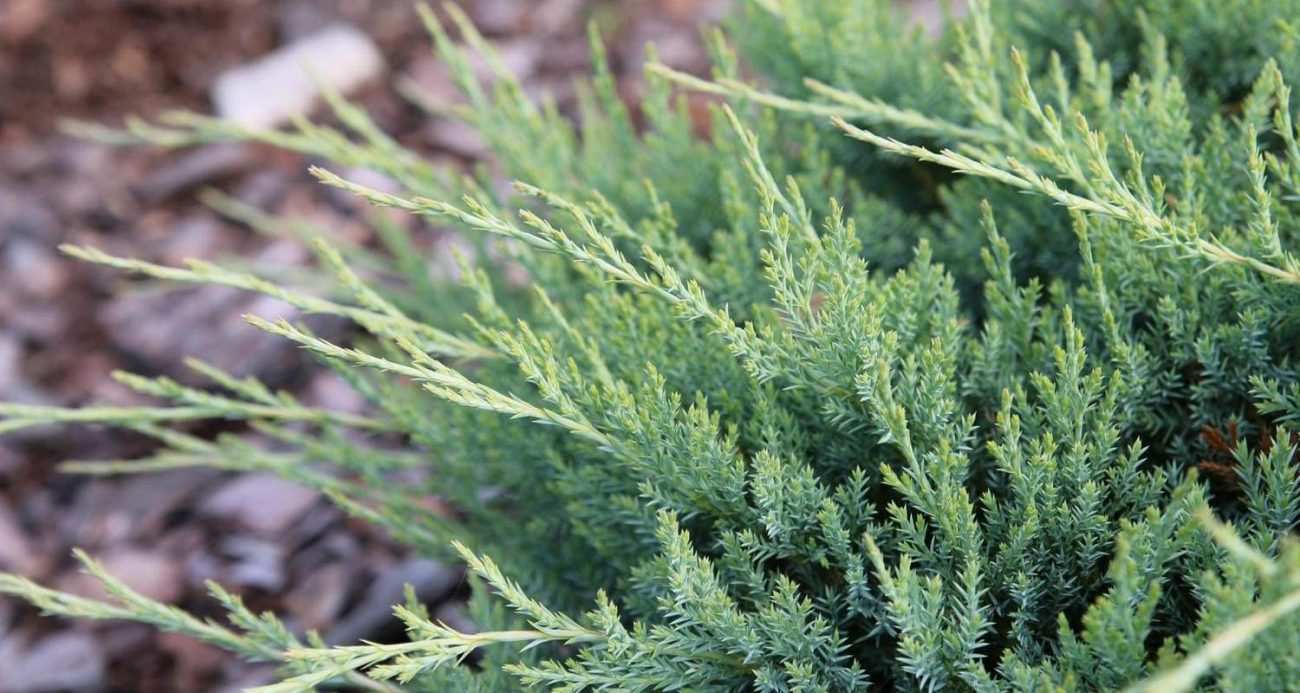
6. Juniperus sabina (Savin Juniper) – Key Features
- A tall shrub (about 3–4 m) with a curved trunk, or a prostrate, creeping shrub; older stems may appear reddish,
- Shoots are often slender and four-angled; scale leaves overlap each other on four rows,
- Scale leaves are about 1 mm, with entire margins; small bumps or resin/oil glands can be present,
- In Turkey it is common in high mountainous areas, dry slopes, and above forest lines (for example in some mountain regions such as Yıldız Mountains in Sivas, Ahır Mountain in Kahramanmaraş, and Manisa Mountain),
- Its cultivars are widely preferred in landscape architecture for ornamental use.
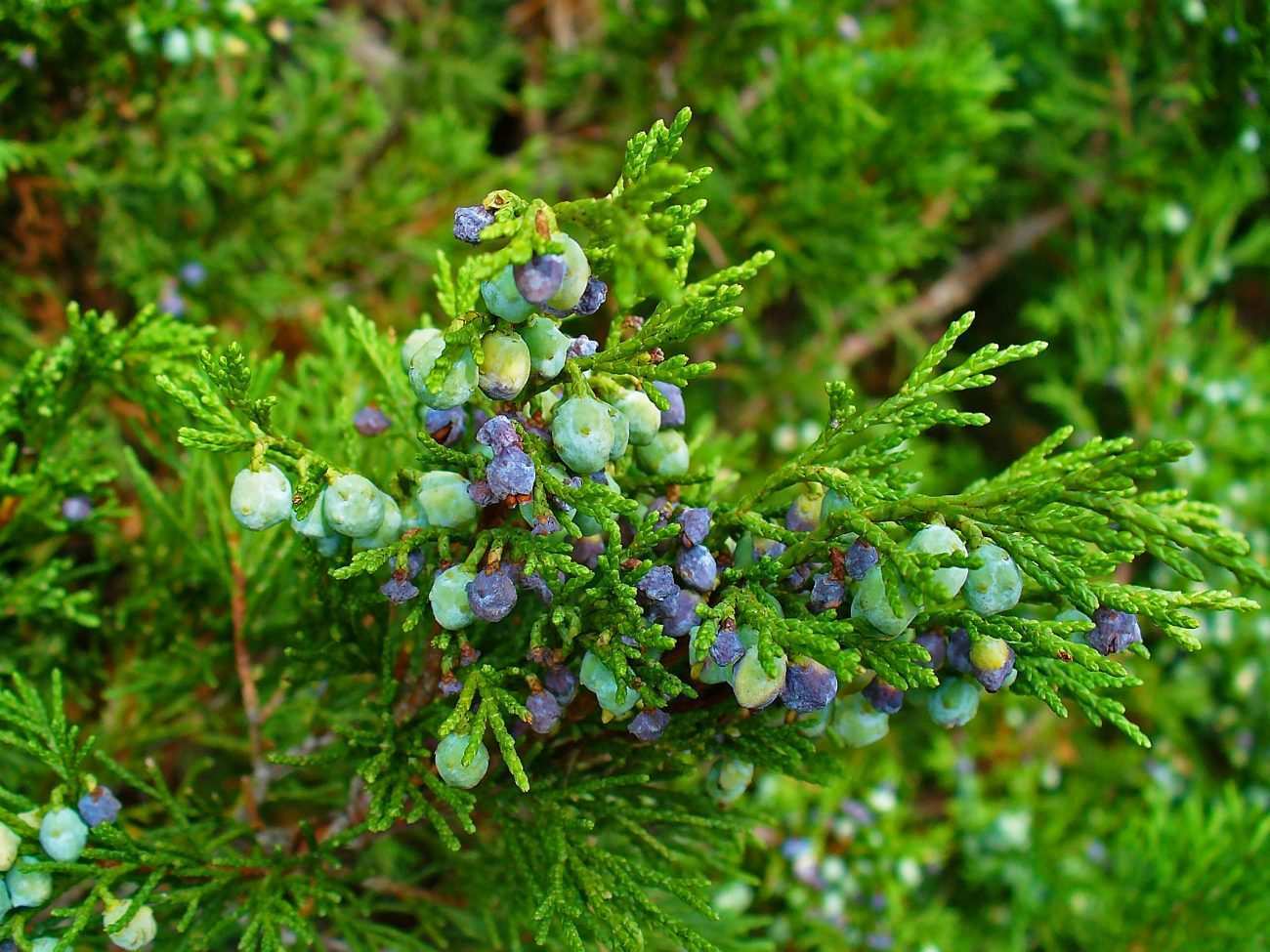

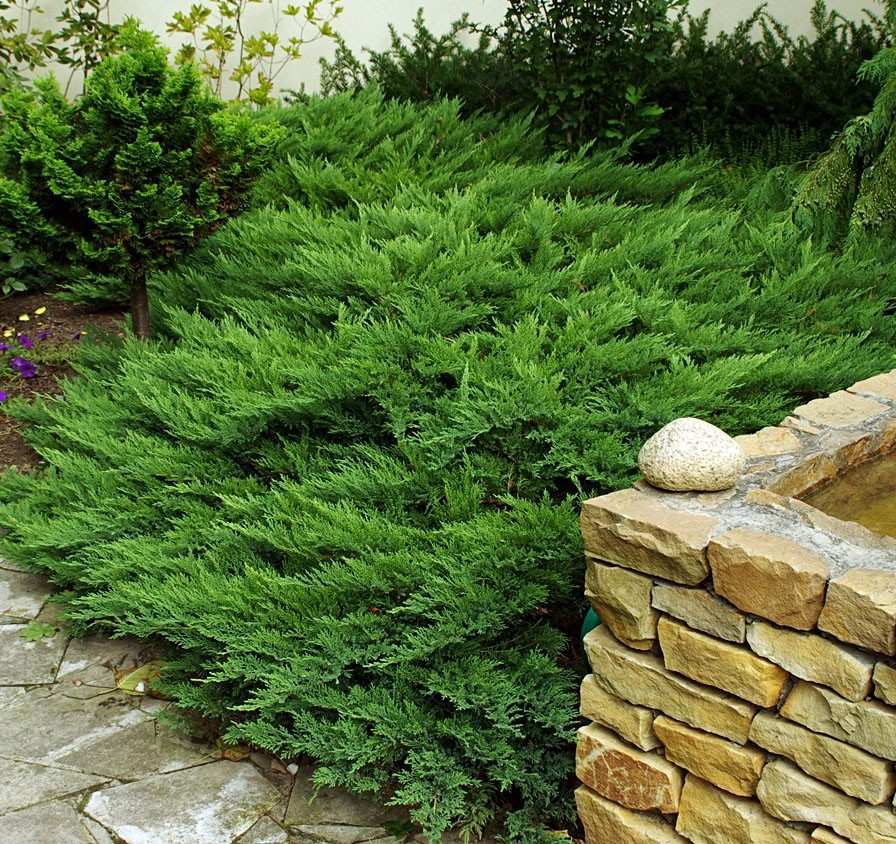

7. Juniperus chinensis (Chinese Juniper) – Key Features
- Native to China, Japan, and Mongolia; can reach about 20 m; forms and sizes can vary greatly,
- On lower branches, leaves can be needle-like, opposite or in whorls of three; stomatal bands may be visible,
- On upper branches, leaves are mostly scale-like, opposite and overlapping, with blunt tips,
- Cones are bluish and smoky, about 5–18 mm; they ripen in 2 years, consist of 4–8 scales, and usually contain 2–5 seeds (sometimes 1),
- Performs well where relative humidity is higher; tolerates frost and polluted industrial air,
- Prefers sandy, sandy-clay, and calcareous soils.
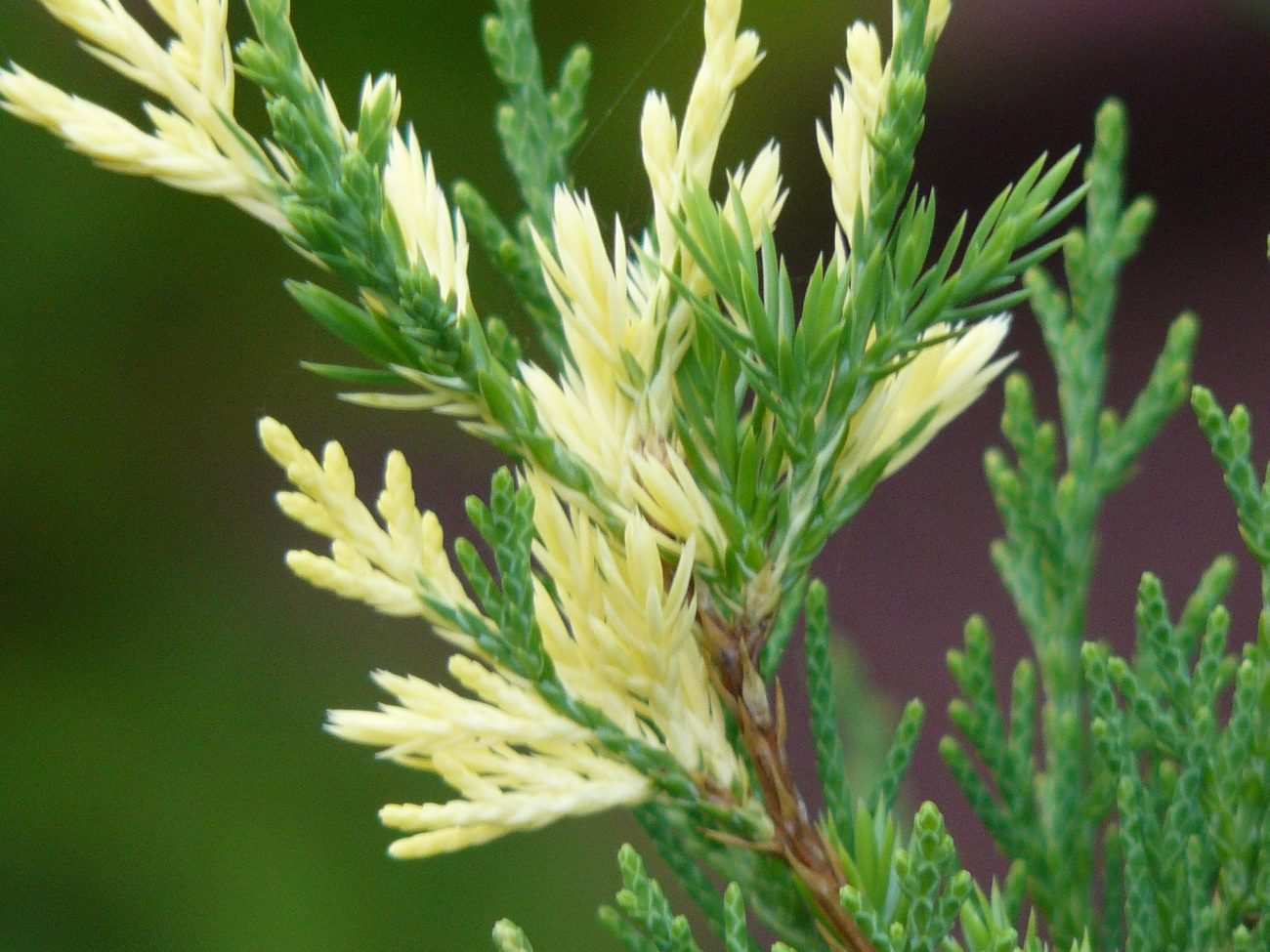
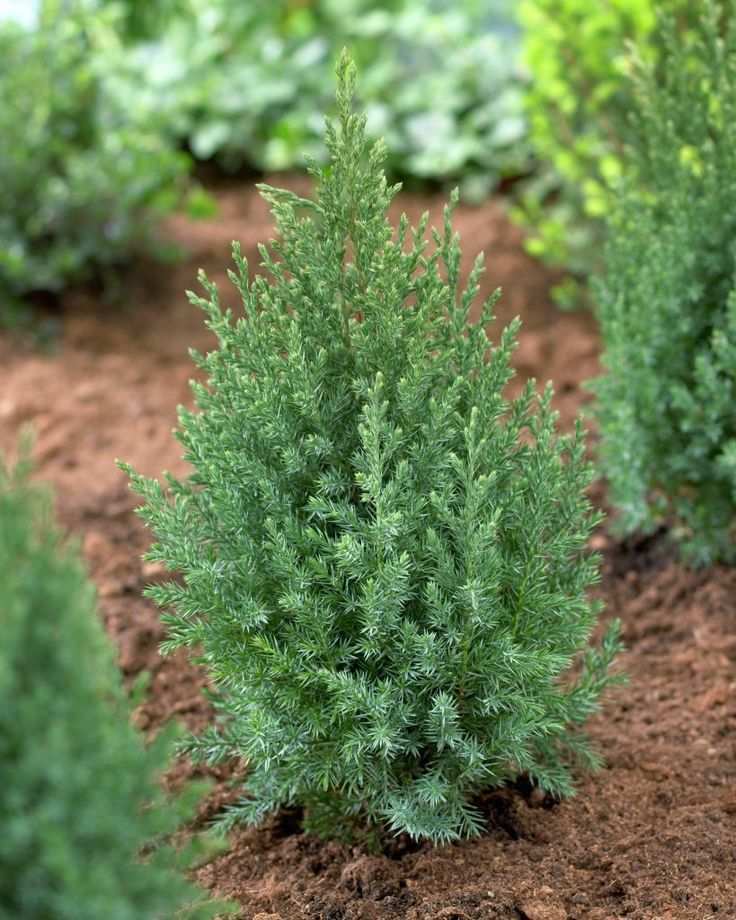
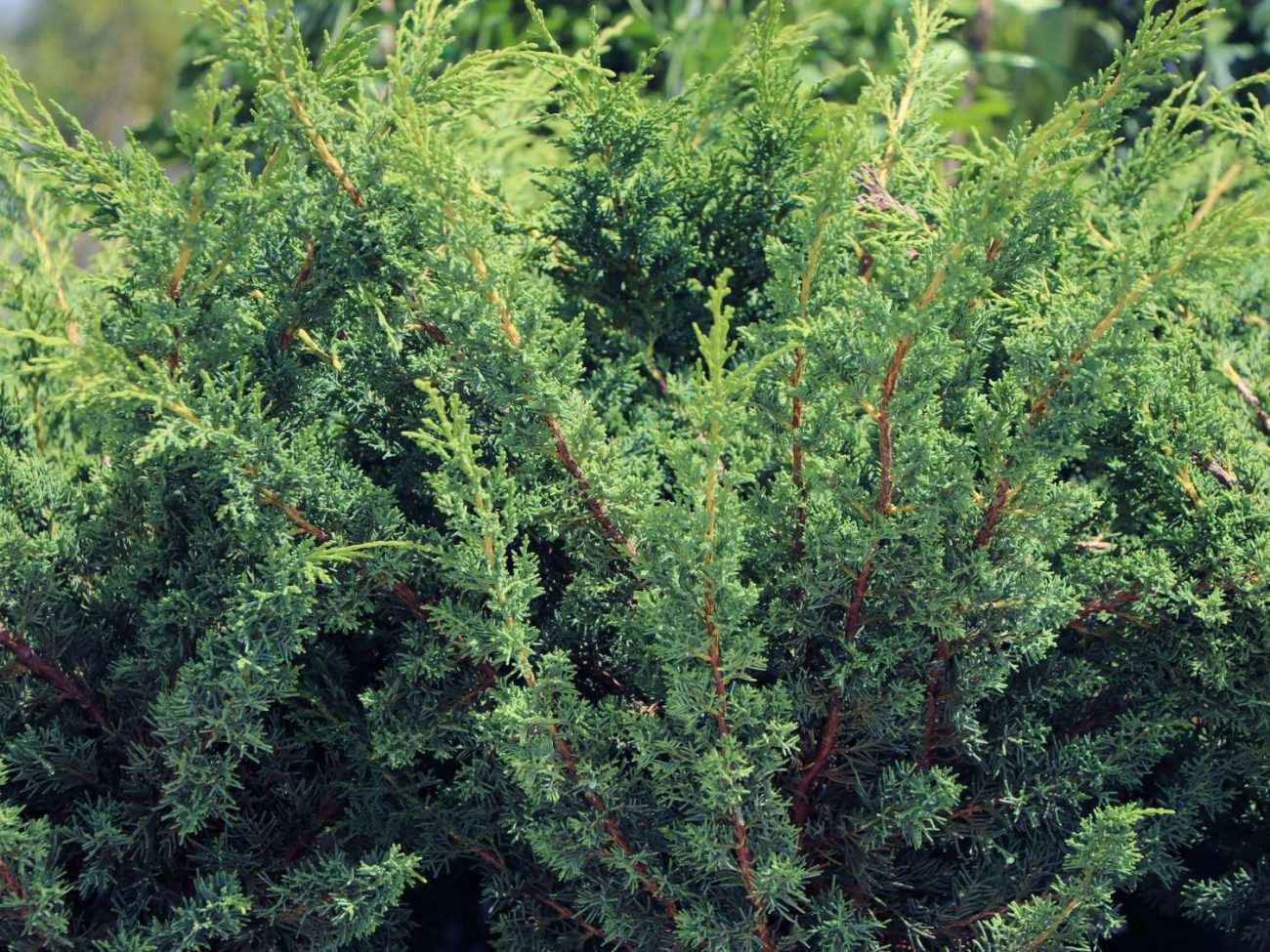
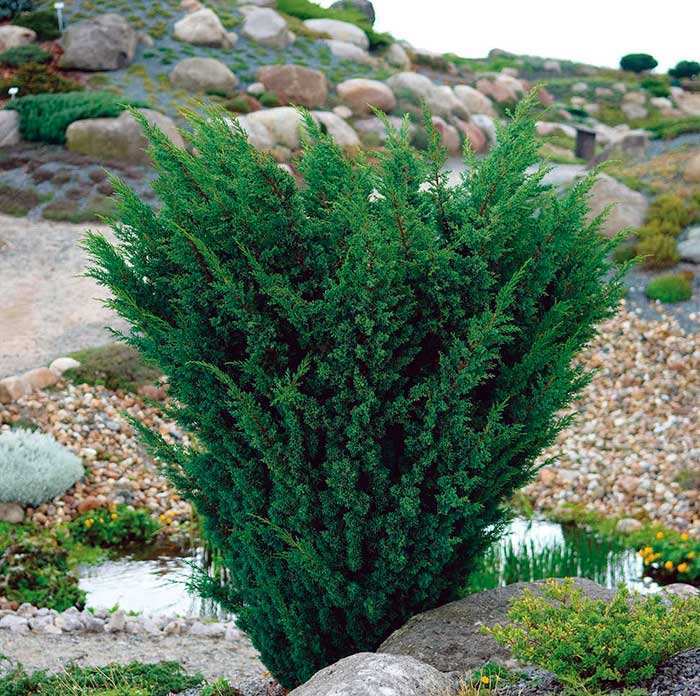
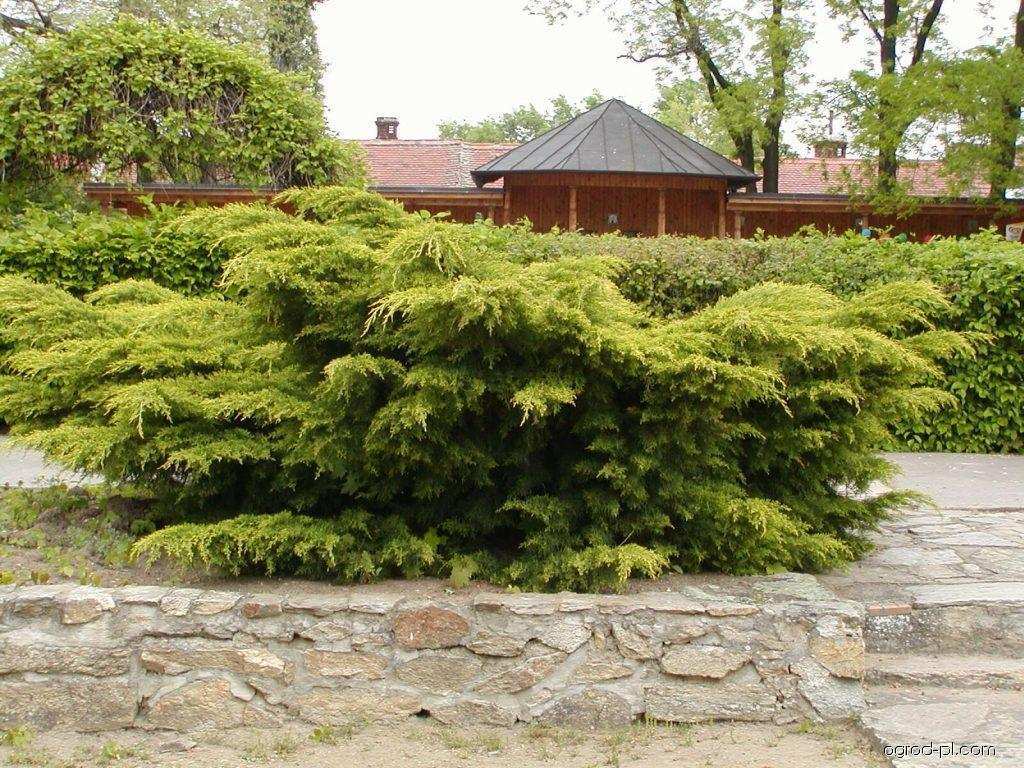
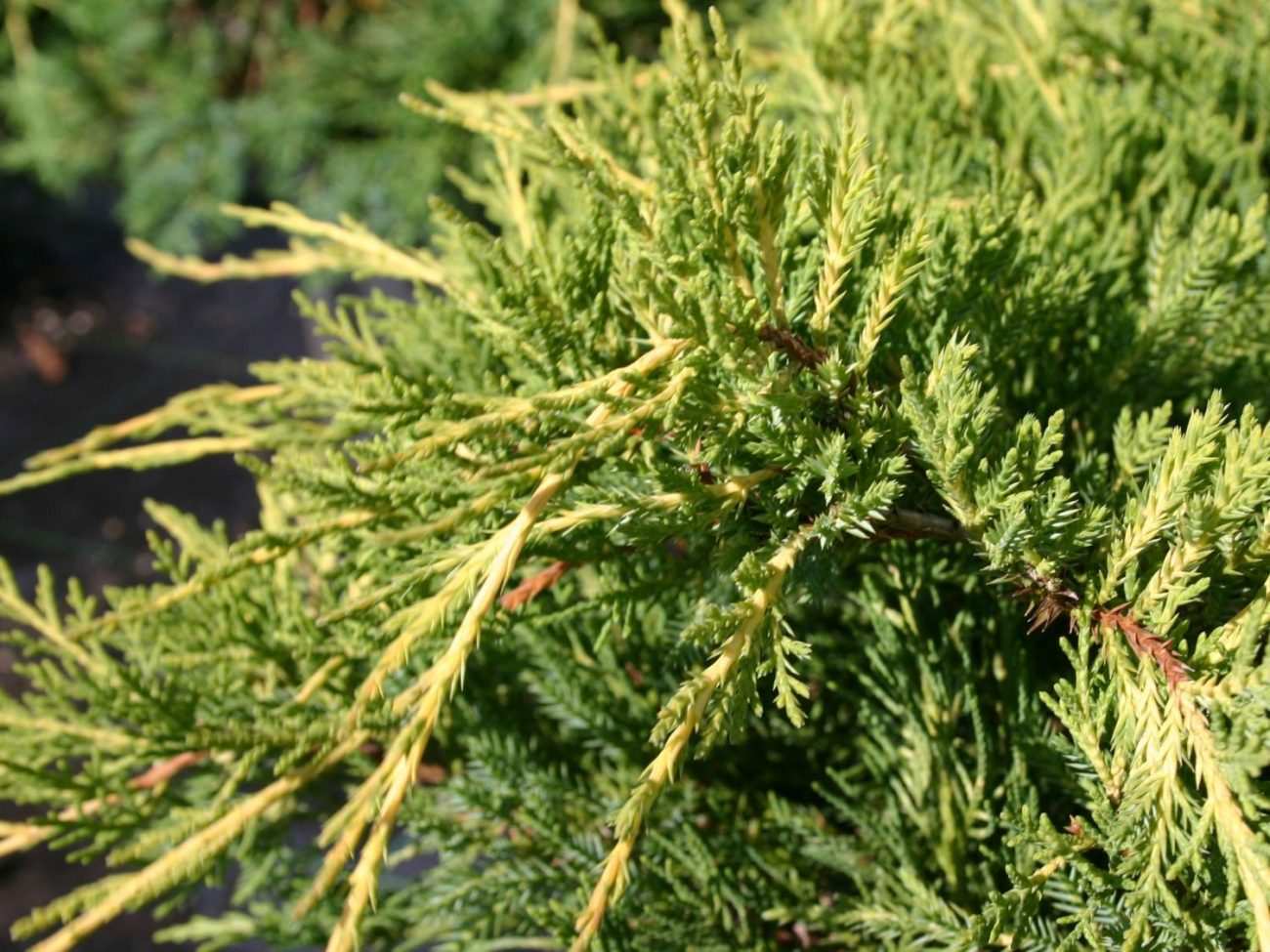
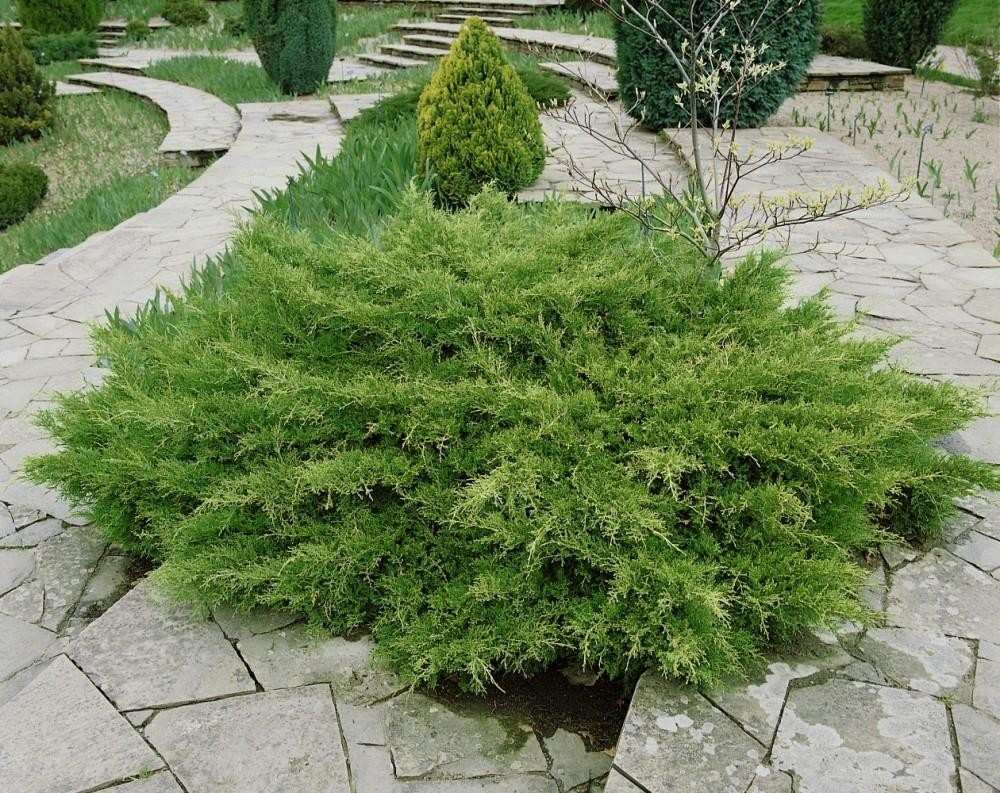
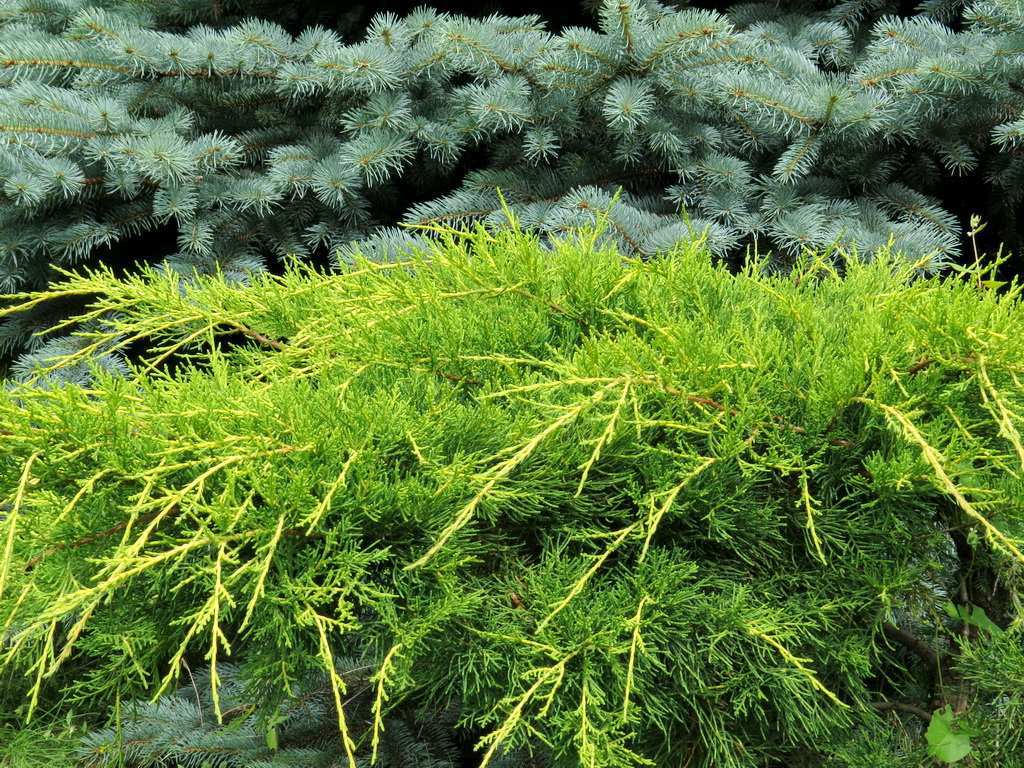
8. Juniperus chinensis cv. Pfitzeriana (Pfitzer Juniper) – Key Features
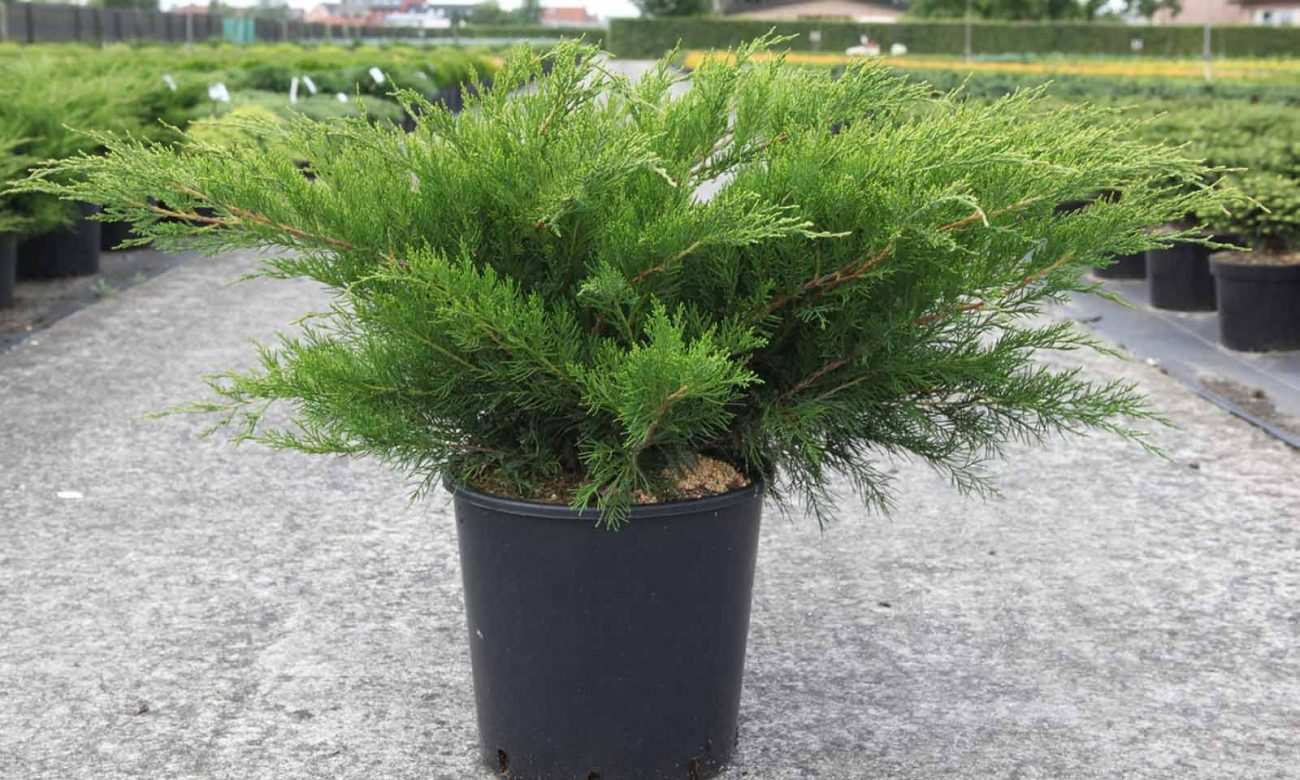
- A multi-branched shrub reaching about 4–5 m in height and spread; branches are long and horizontal, with tips slightly upturned,
- Leaves can be needle-like inside the canopy with sharp tips and stomatal bands; toward the outside they often transition to scale leaves,
- Grows in sun and partial shade; can tolerate harsh conditions in urban areas and even coastal settings,
- Hardy against frost and bad weather; undemanding in soil, but generally performs poorly in excessively wet sites and very saline soils.
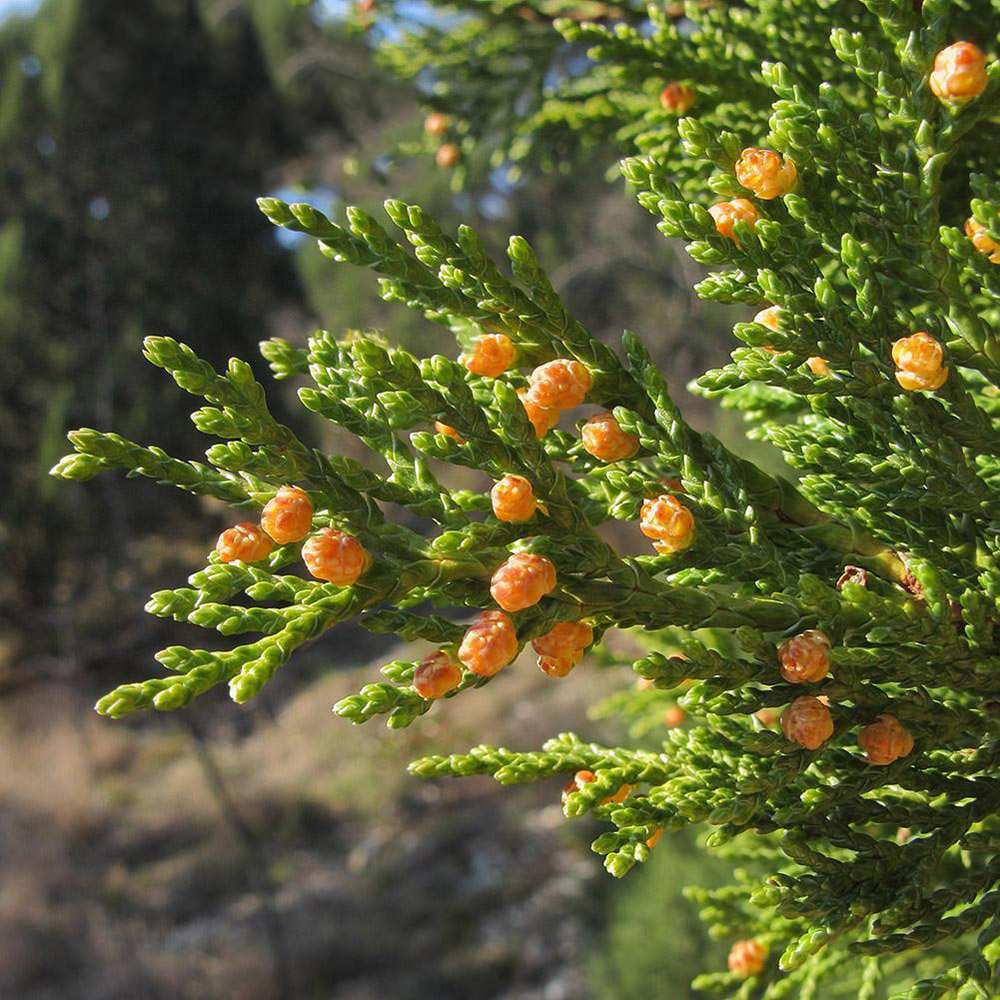
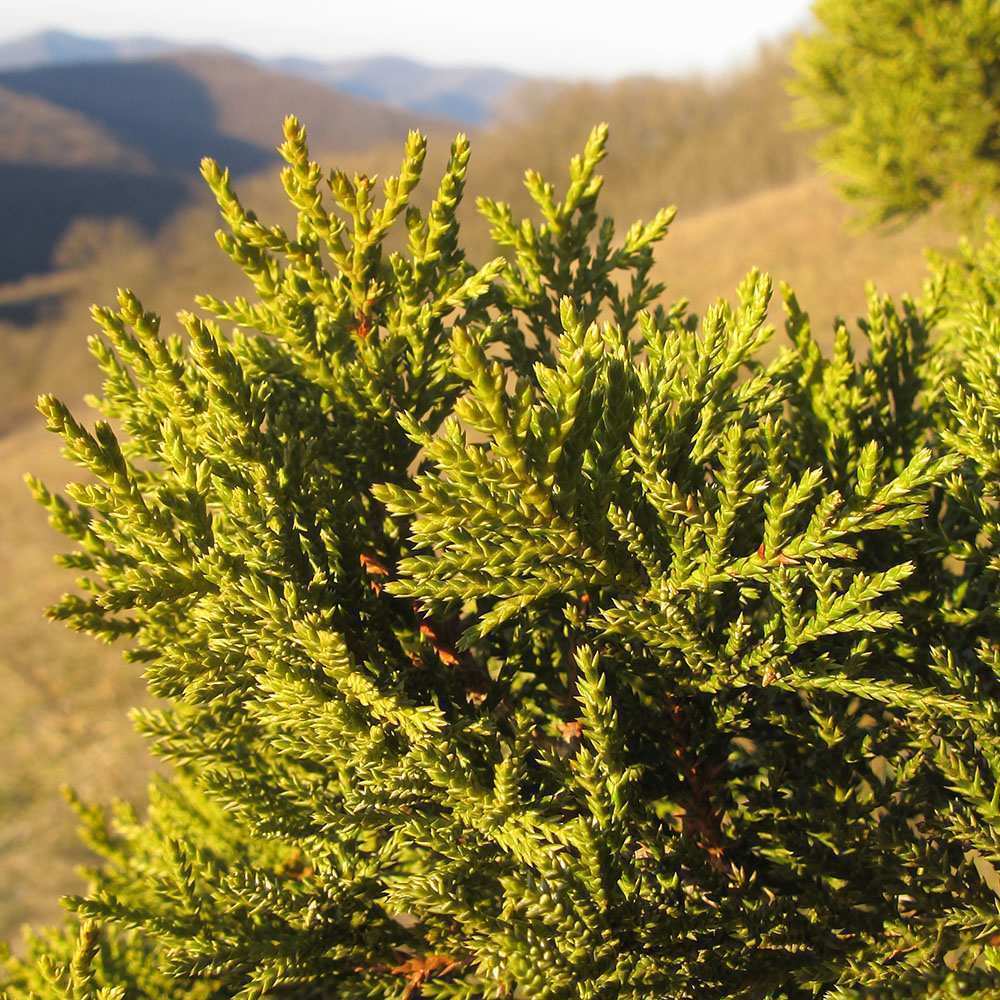
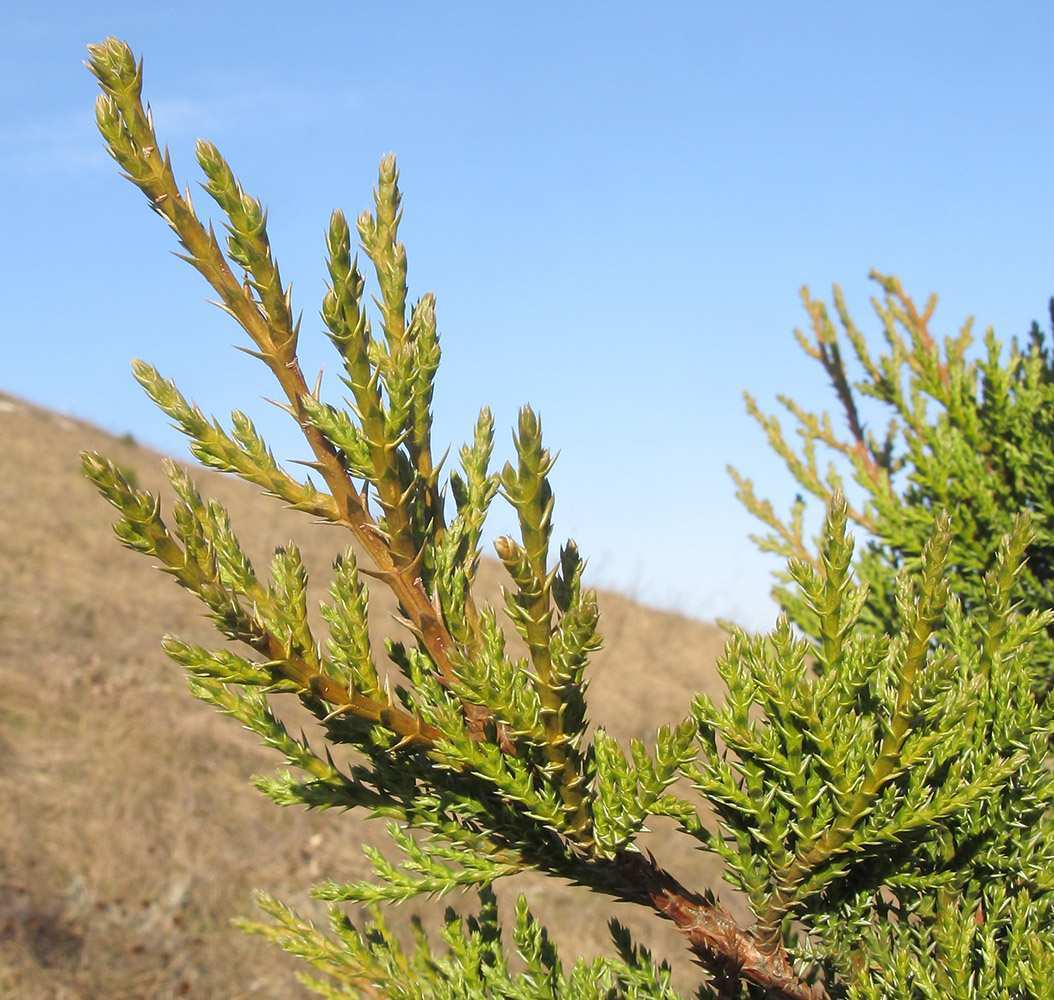
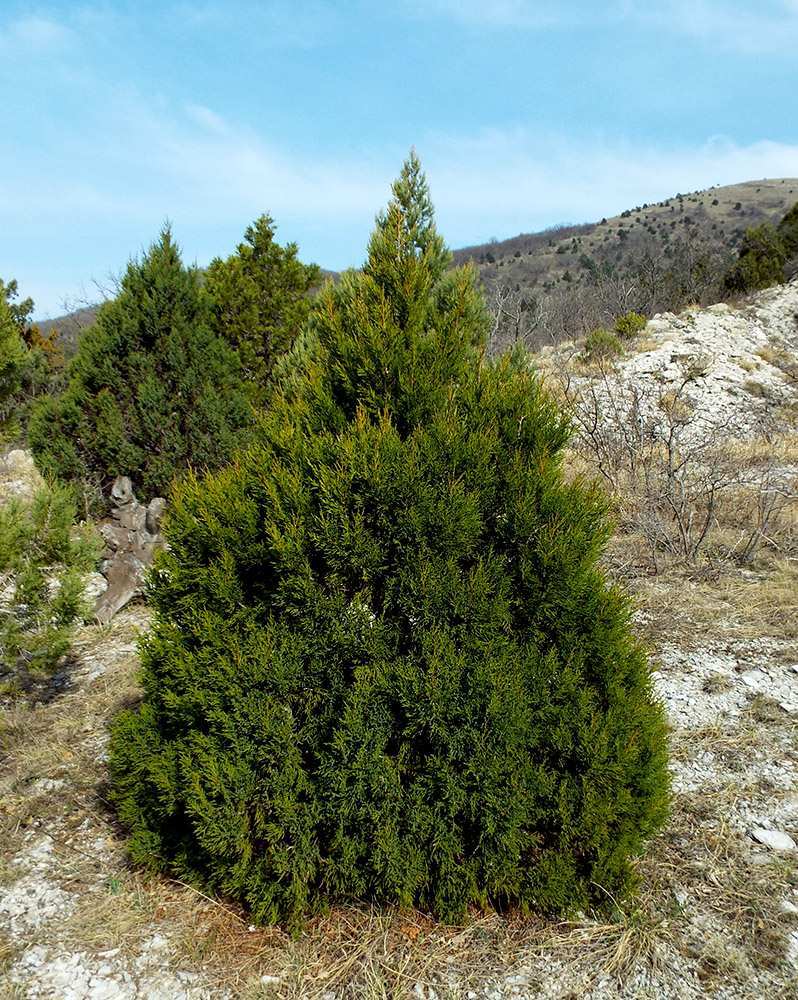
9. Juniperus foetidissima (Stinking Juniper) – Key Features
- A small tree, typically 5–10 m; in youth it is neat with a pyramidal crown,
- Branches are oriented upward; as branches mature, a distinct juniper scent can be noticeable,
- Both scale leaves and needle leaves may be observed; needle leaves cover the shoot at a narrow angle; scale leaves may have pointed tips and rounded backs,
- Black, bluish-glaucous cones are berry-like, about 8–12 mm.
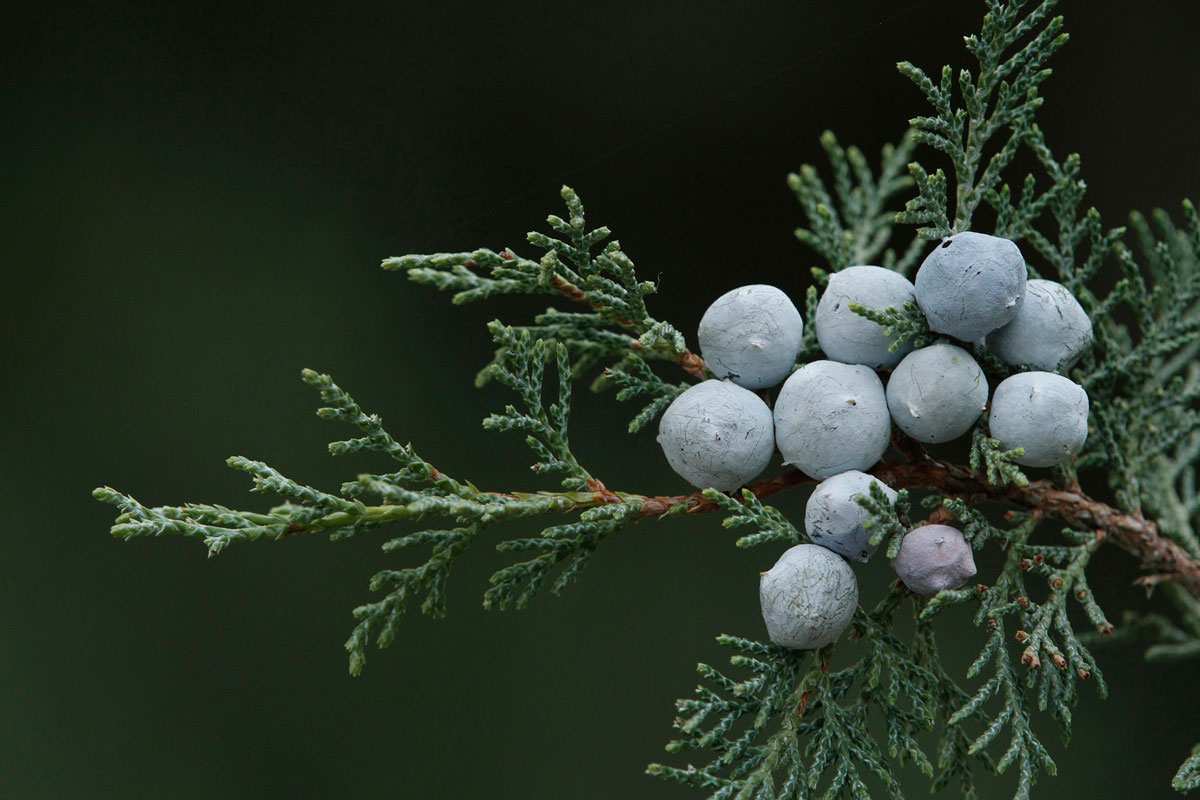
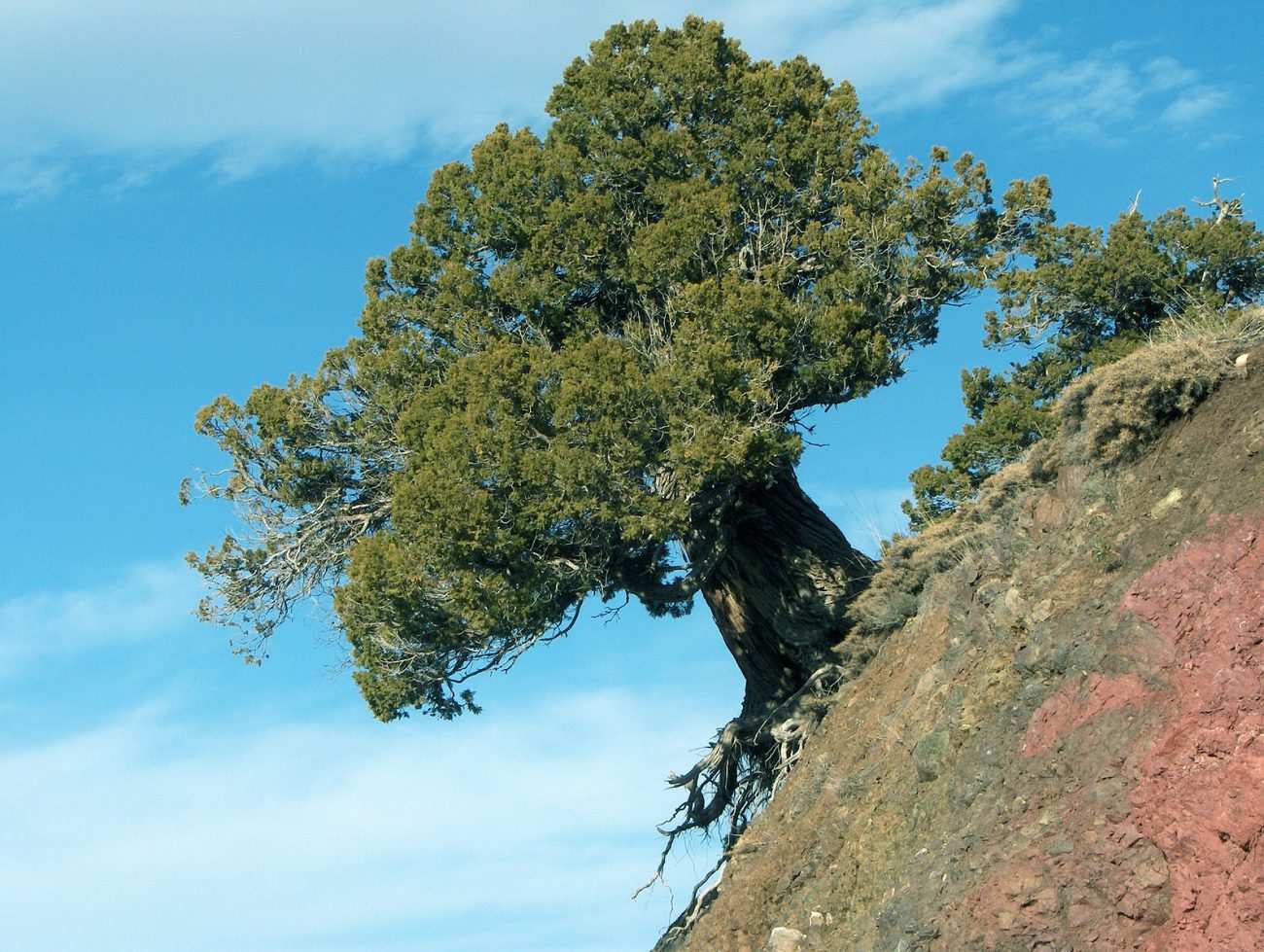
10. Juniperus excelsa (Grecian Juniper) – Key Features
- A tree reaching about 15–20 m; pyramidal in youth, developing a broader crown with age,
- In some areas (for example around Antalya-Elmalı), individuals can reach about 25 m,
- Grey to blue-green scale leaves are tightly arranged around very thin shoots,
- Distinct resin/oil glands can be visible on the back of leaves; cones ripen in 2 years and may be dark purplish or brownish-black.

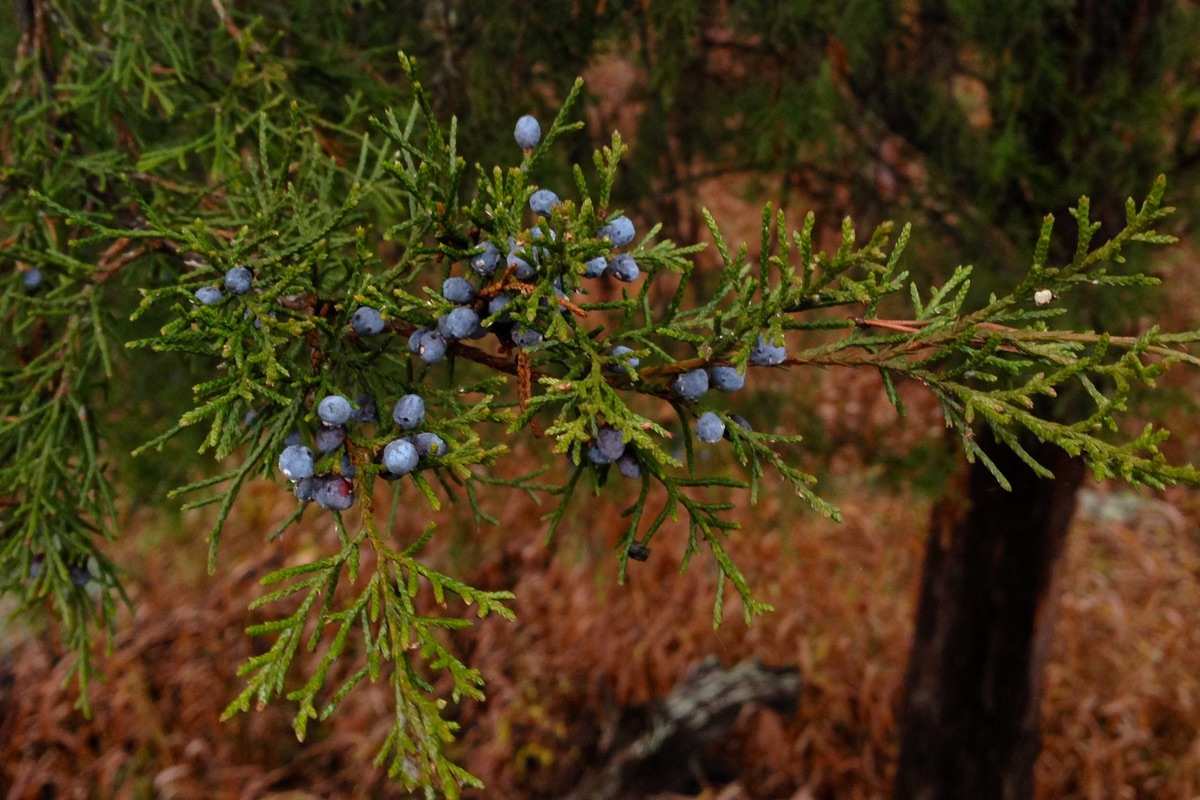
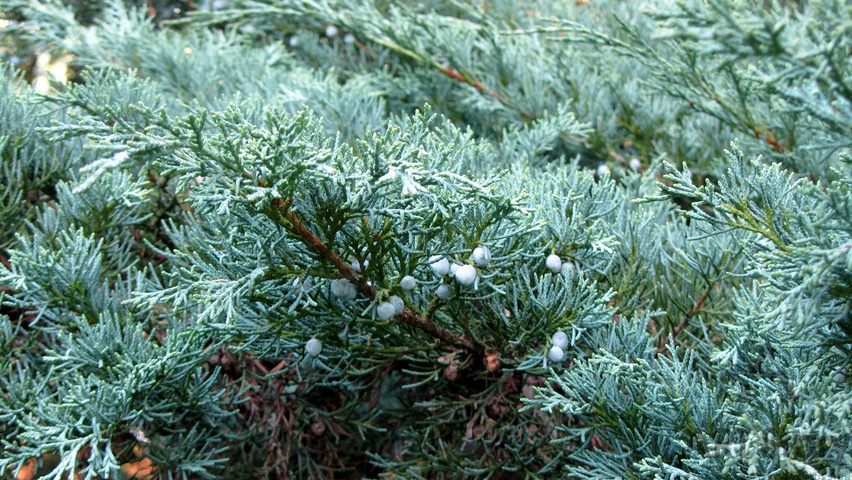
11. Juniperus virginiana (Eastern Red Cedar / Pencil Juniper) – Key Features
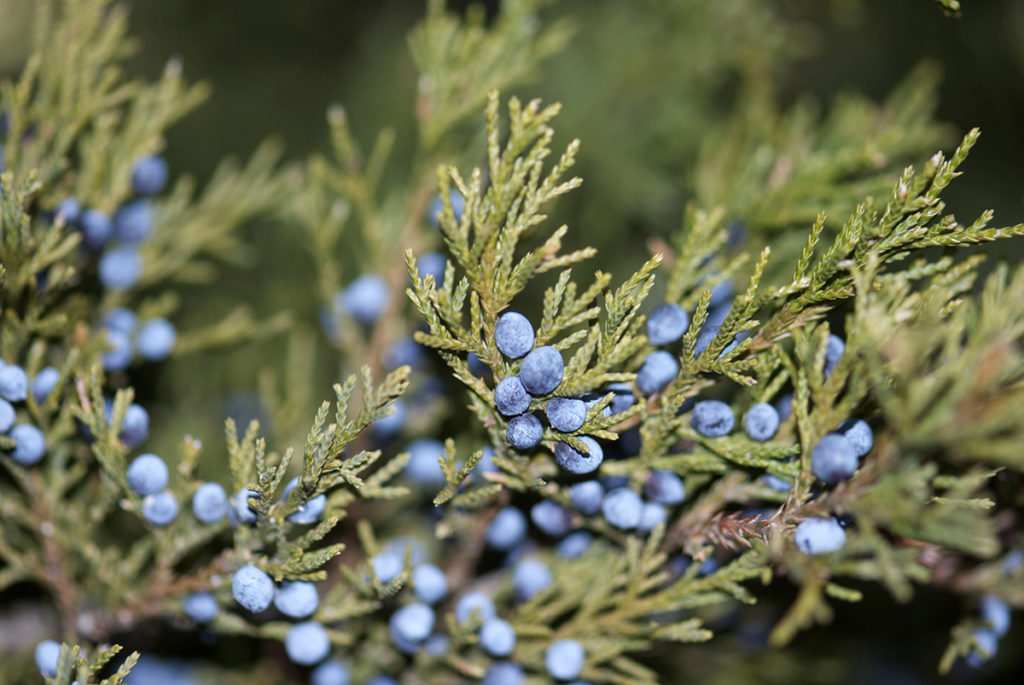
- A narrow conical, sometimes broad-crowned tree up to about 15 m, widespread across a large area in eastern North America,
- Bark is reddish-brown, fissured in narrow strips and fibrous,
- Rounded cones ripen in one year; about 3–6 mm, greyish to bluish-green; typically contain 1–2 seeds,
- Prefers temperate maritime climates; can grow on dry, shallow, stony soils; tolerant of frost and polluted air.

12. Juniperus phoenicea (Phoenician Juniper) – Key Features
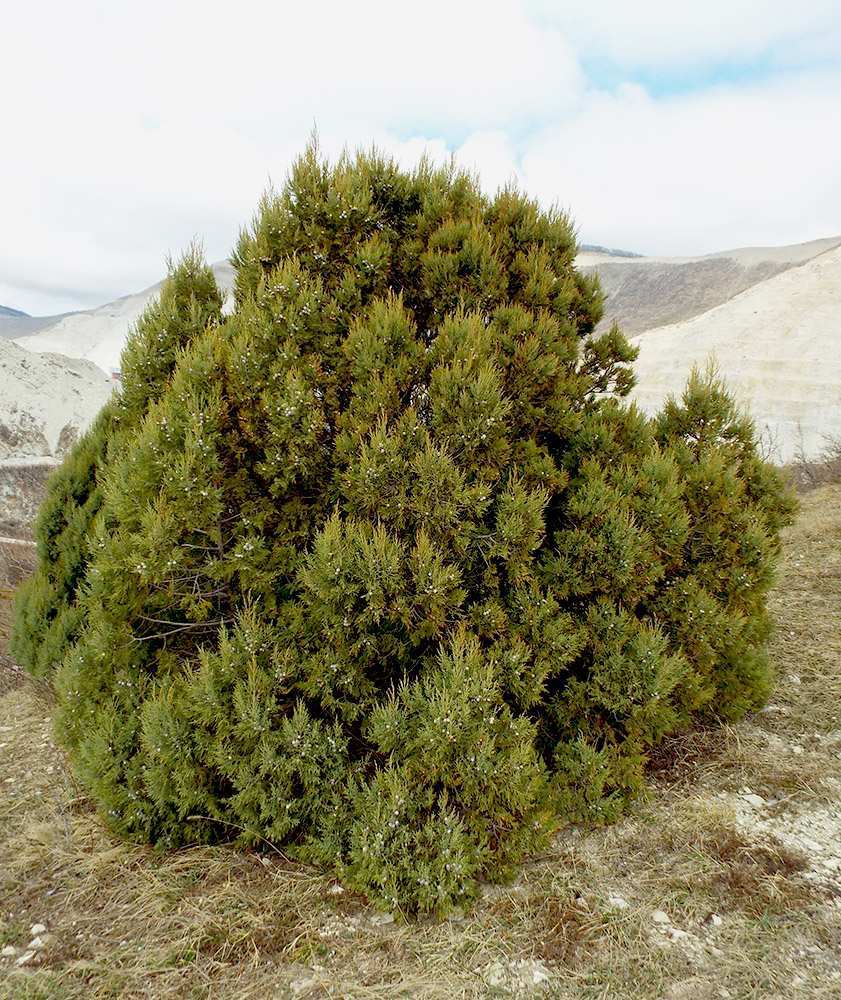
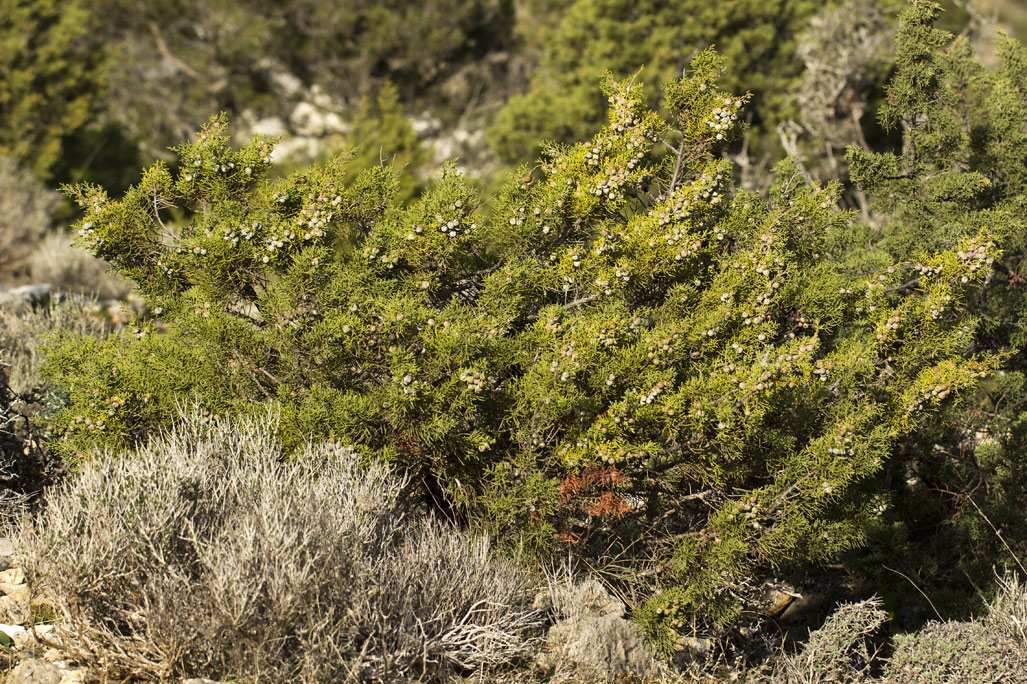
- A small shrub or a tree up to about 6 m; because its form can resemble cypress, it is sometimes referred to as “cypress juniper,”
- In youth, lower leaves are needle-like, while terminal leaves are scale-like,
- Scale leaves are greenish and arranged oppositely on shoots along four rows,
- Rounded resin/oil glands can be present on the back; cones are spherical, long-stalked, about 6–15 mm; when mature they can turn orange-yellow and typically ripen in 2 years,
- Undemanding in soil, but not highly cold-hardy; suitable for rock gardens.

Where Do Junipers Grow?
Which climate do junipers grow in? Because there are many different juniper species, junipers include taxa with different ecological requirements, and they can be found across all regions of Turkey depending on the species.
Naturally Occurring Juniper Species in Turkey
- Juniperus communis subsp. nana
- Juniperus oxycedrus subsp. oxycedrus (and subsp. macrocarpa in some references)
- Juniperus sabina (Savin juniper)
- Juniperus foetidissima (Stinking juniper)
- Juniperus excelsa (Grecian juniper)


