

Hızlı Git
I want to talk about plant selection in cat-friendly homes, which is one of the hardest topics for people who love both cats and plants. As cat owners, unfortunately we can’t bring every plant we like straight into our homes. Sometimes, without realizing it, we may grow plants indoors that can harm our companions, cause serious symptoms, and even lead to losing them.
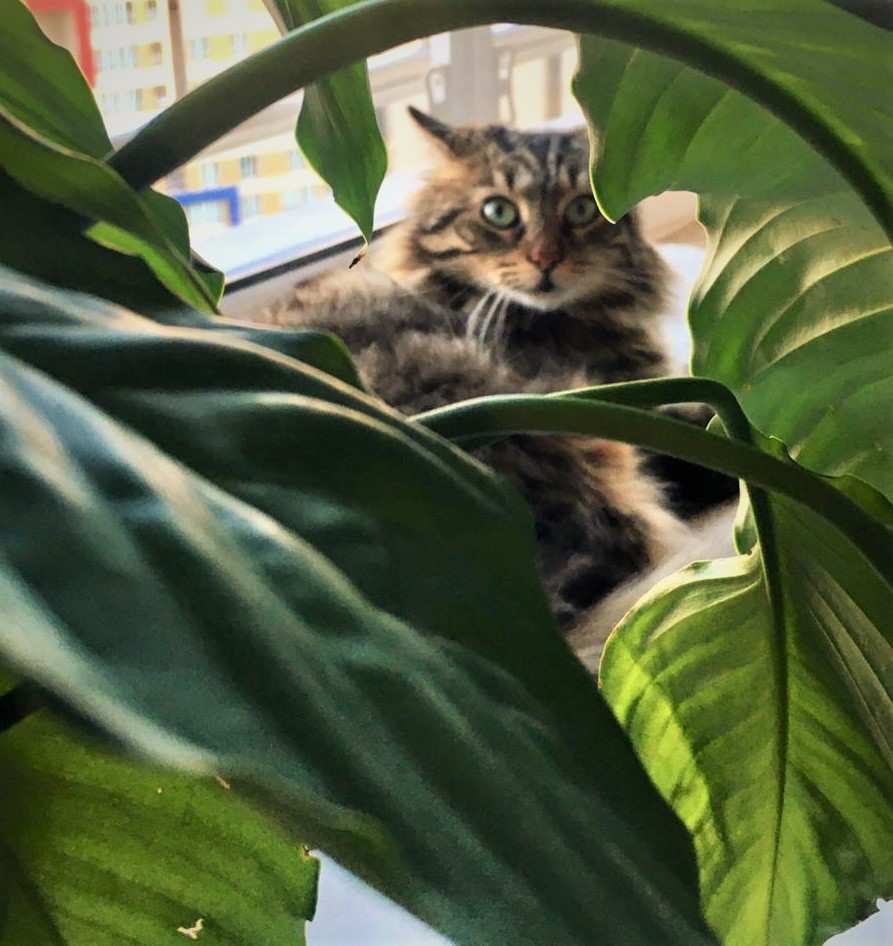
There is a very long list of plants that are toxic to cats, but I compiled 10 that are among the most popular today, commonly found in many homes, and widely preferred. Still, I recommend researching how any new plant might affect your cat before bringing it home. If any of the plants in this article are already in your home, they should be placed where our companions cannot reach them. If your pet has any contact with toxic plants, you should contact your veterinarian immediately. I learned that symptoms I personally saw in my own cat—like lip redness and swelling in the mouth—were actually due to plant contact. Even if mild symptoms look harmless, our veterinarian explained that over time they can lead to more serious health issues.
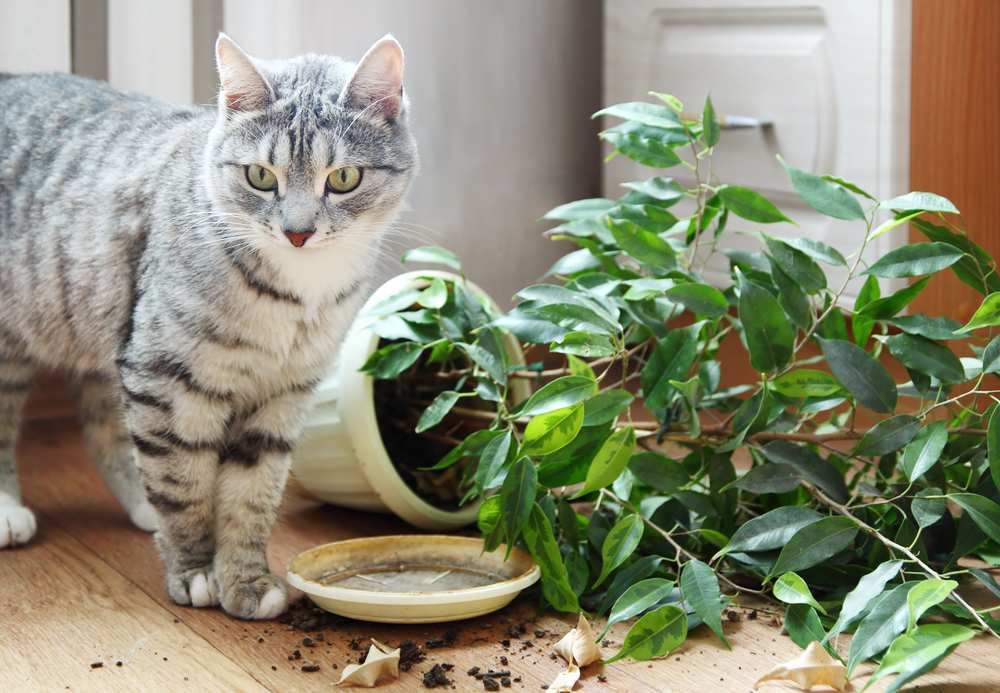
Cat owners know one more thing very well: our companions can get into everywhere, and they can reach anything they want. Sometimes, even when we think we are being very careful, we may miss that our cats are coming into contact with plants. The easiest solution is to grow plants that do not contain toxic substances for them.
As Norman Corwin said,
“Cats are chosen friends.”
Toxic Houseplants for Cats
It is our responsibility to support our best friends in the best way and create a wonderful environment for them. I hope you enjoy reading this article, and I truly hope it helps our companions.
Monstrea deliciosa (Swiss Cheese Plant)
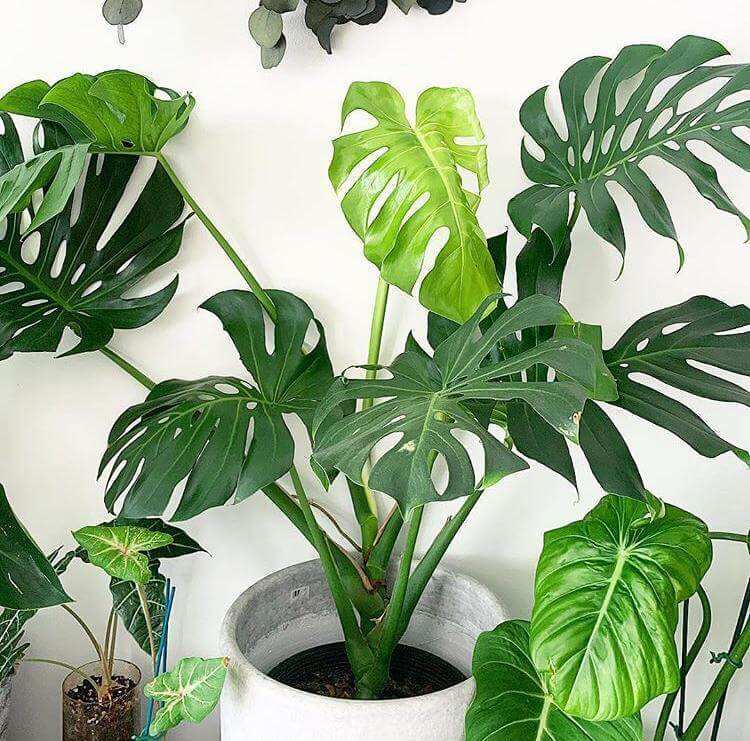
Monstrea deliciosa, known in Turkish as “deve tabanı,” is one of today’s most popular tropical houseplants. Thanks to its striking leaves, it shows up constantly in both social media and interior design inspiration. While it can make a home look more interesting and add a strong finishing touch to décor, it is also toxic to cats due to the calcium oxalates it contains. Insoluble calcium oxalates can cause burning and swelling in the lips and mouth, excessive drooling, and vomiting if cats chew or ingest the plant.
Epipremnum aureum (Golden Pothos)
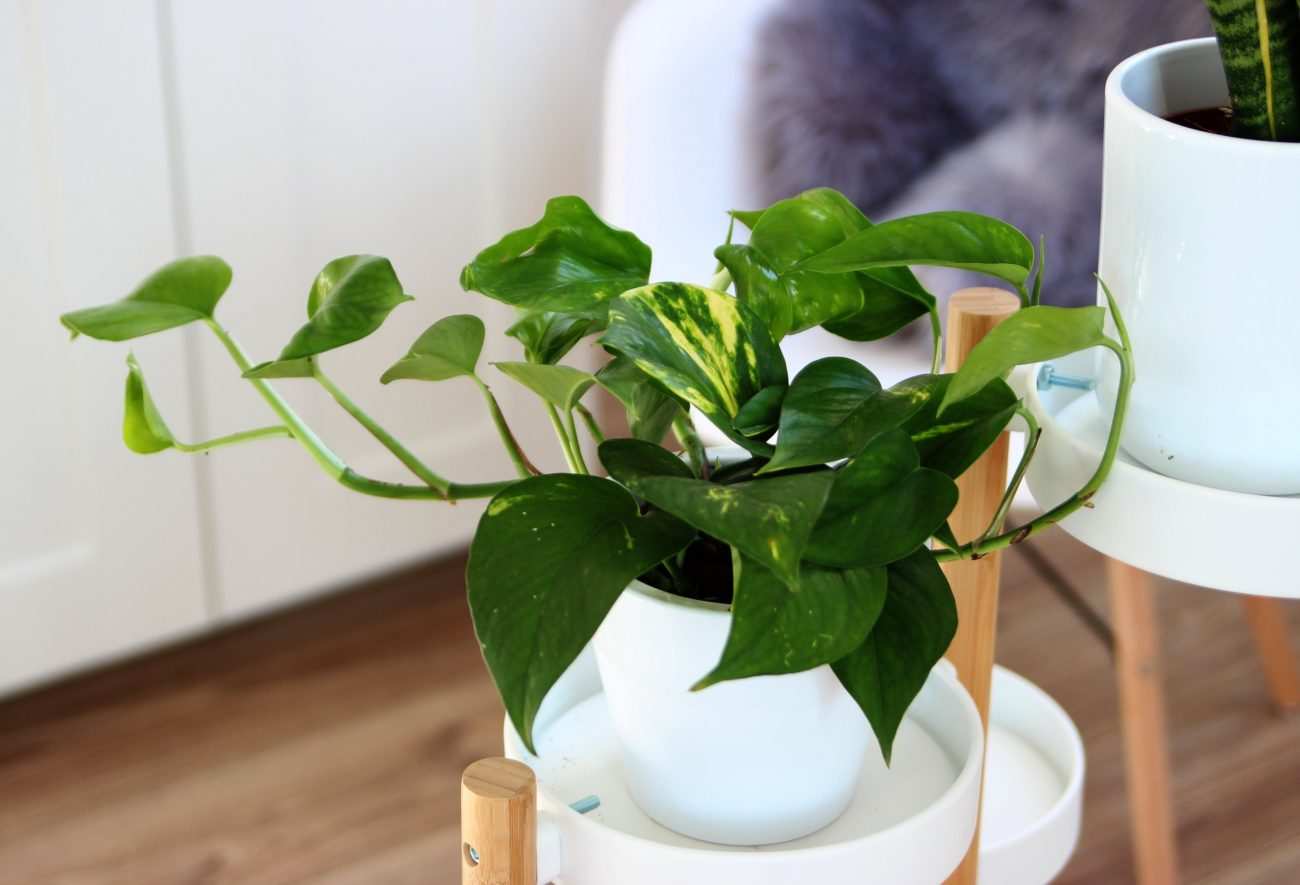
Epipremnum aureum, often called golden pothos, is a common choice for people who are new to plant care because it is easy to maintain. This plant adds movement and an aesthetic touch to interiors, but it is toxic to cats. Just like the Swiss cheese plant, its insoluble calcium oxalates can cause symptoms such as burning and swelling in the mouth and lips if a cat chews or swallows it.
Crassula ovata (Jade Plant)
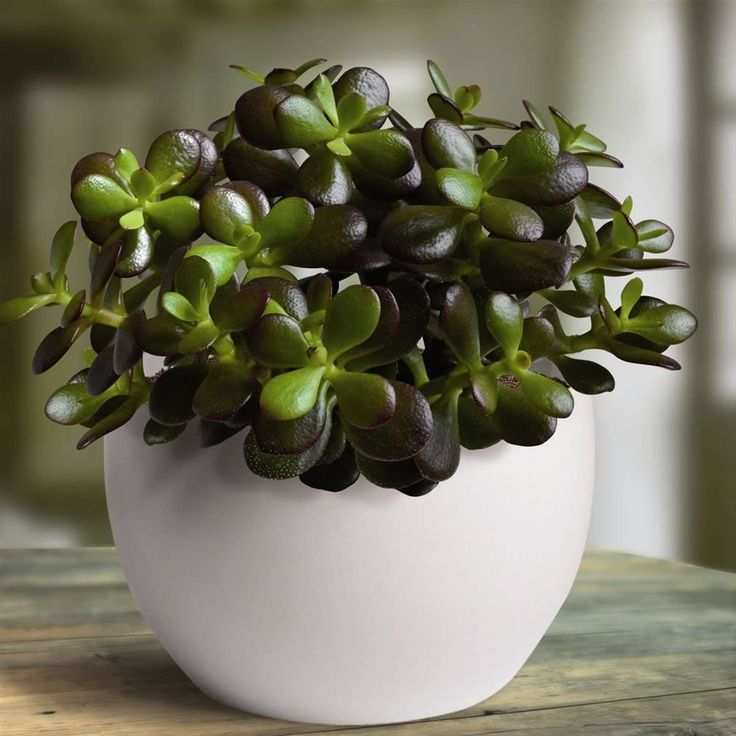
Crassula ovata, also popular today as a “money plant,” is believed by some to bring good luck. However, unfortunately, it is toxic to dogs, horses, and cats. Especially when ingested, it can cause serious symptoms starting with vomiting, lethargy, depression, and loss of coordination.
Sansevieria trifasciata (Snake Plant)
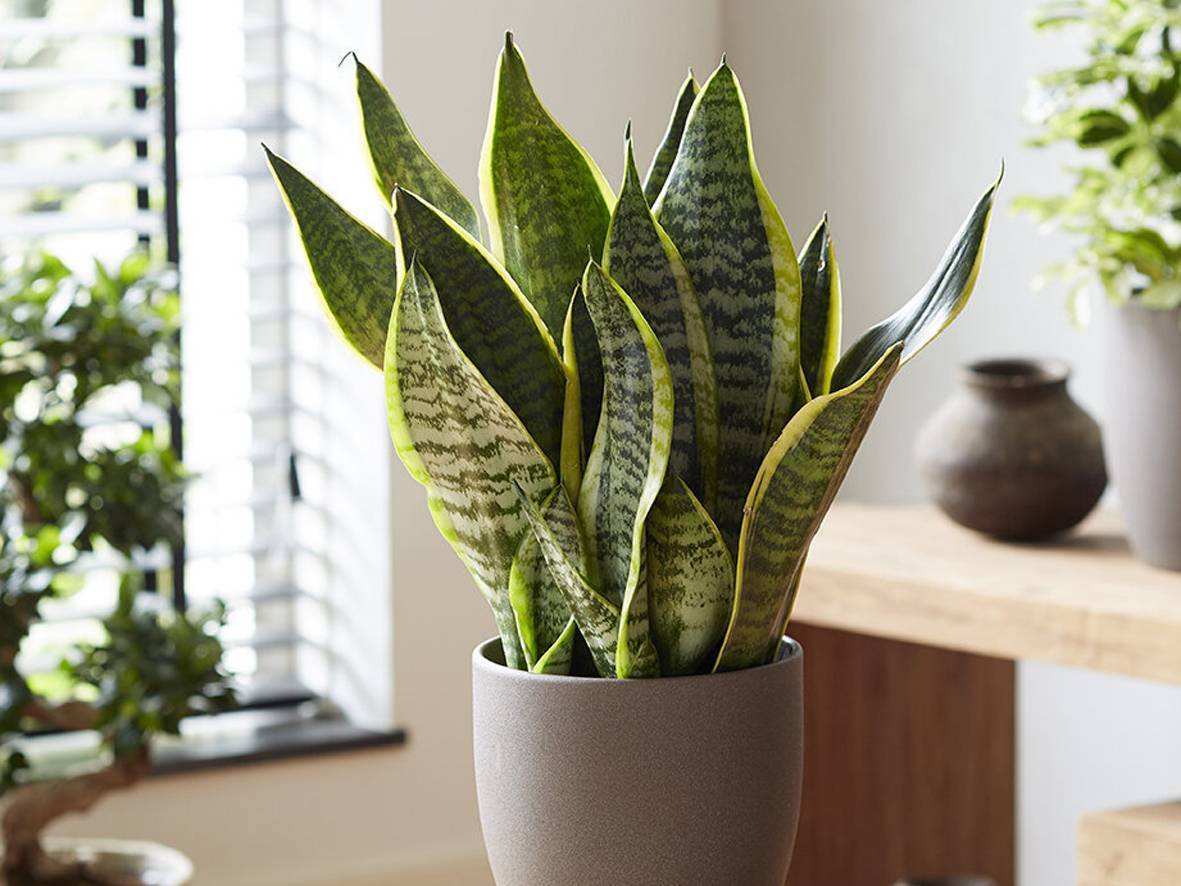
Sanssevieria trifasciata, known as snake plant, is one of the most common indoor plants because it looks striking, is easy to care for, and is easy to propagate. It is also known for air-cleaning potential. Despite its many benefits, it unfortunately falls into the toxic plant category for animals at home. Because it contains saponins (a chemical compound), it is toxic for both dogs and cats, and ingestion can cause serious symptoms.
Dieffenbachia (Dumb Cane)
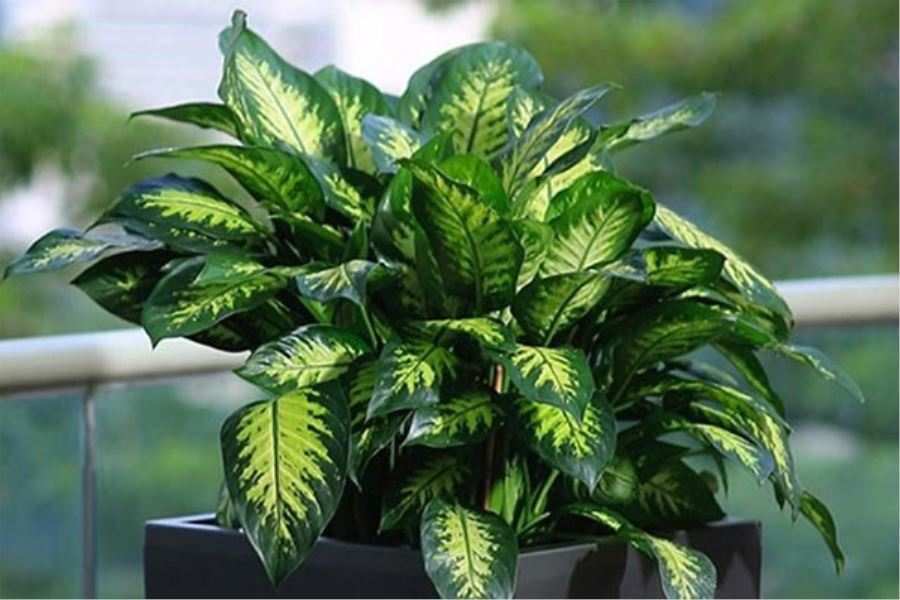
Dieffenbachia is a tropical plant whose leaves may not last as long as some other common houseplants. Even without showy blooms, it is often used as a stylish décor element in living rooms. Dieffenbachia is highly toxic to cats. Due to insoluble calcium oxalates and a proteolytic enzyme it contains, it can cause burning in the mouth and lips, and in more severe cases, difficulty swallowing or breathing. It is not only toxic to cats; it is also known to be toxic to humans. It should be kept away from bare skin. If the leaves are eaten, a person may be unable to speak for a period of time. This is where the common name “dumb cane” comes from. As much as we may like it visually, it needs careful handling.
Aloe Vera
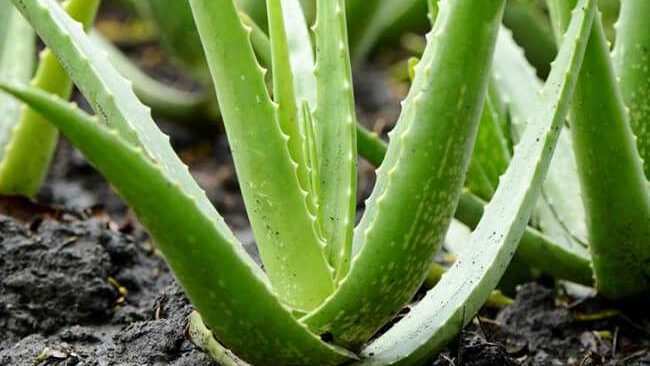
Aleo Vera, from the lily family, is widely preferred because of its medicinal uses. The gel-like liquid inside its thick, fleshy leaves is known to help with many skin concerns. However, due to saponins and anthraquinones, it is toxic to cats. If ingested, it may cause lethargy, vomiting, diarrhea, and more severe symptoms.
Spathiphyllum (Peace Lily)
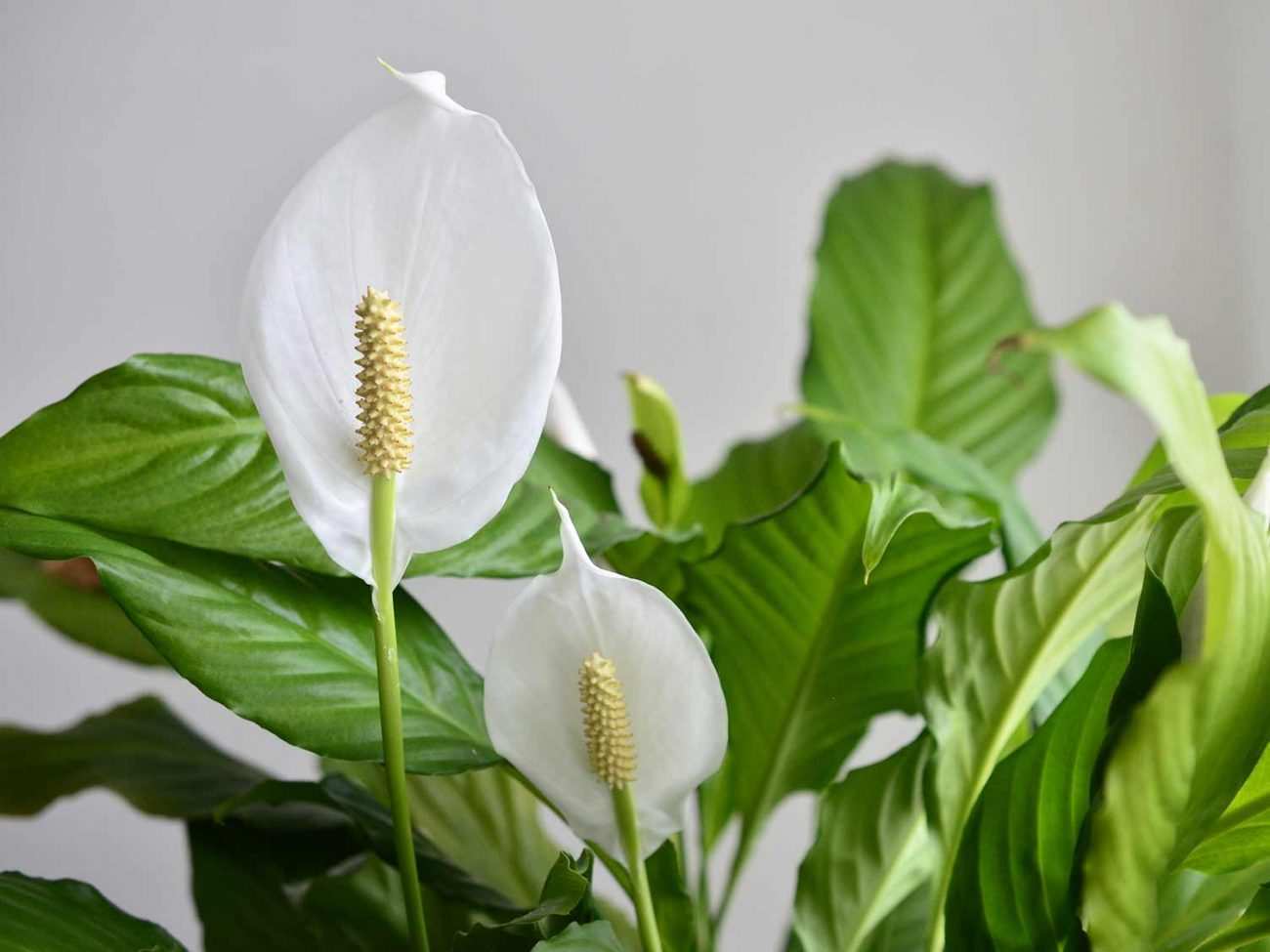
Spathiphyllum, known as peace lily, is one of the indoor plants we often choose because it needs little care and produces distinctive blooms in spring. It is toxic to cats due to the insoluble calcium oxalates it contains. Contact is usually not a problem, but ingestion can cause vomiting, irritation, excessive drooling, and in severe cases, difficulty swallowing and breathing. Since it is also a common gift plant, keeping it away from cat-owning friends is a safer choice.
Yucca massengena (Yucca)
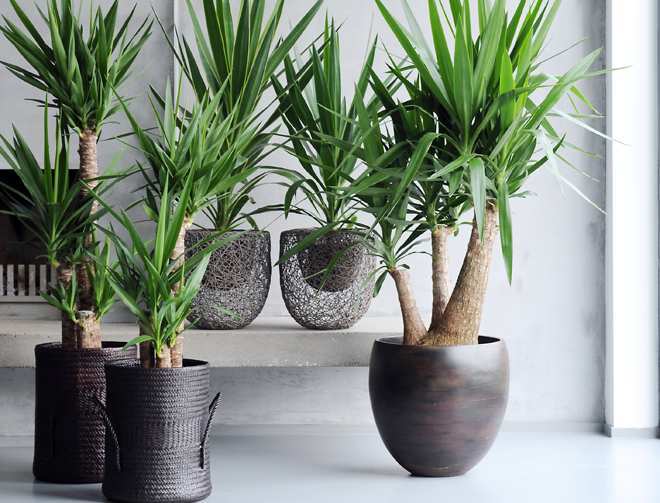
Yucca is one of my favorite houseplants. It likes bright light, is hardy, and needs little water. With its aesthetic trunk and striking look, it is among the most preferred indoor plants, and we also see it frequently on social media and décor pages. This desert-adapted plant contains steroidal saponins and is toxic to cats, dogs, and large animals. If cats or dogs chew it, it may cause vomiting, diarrhea, lethargy, and coordination problems.
Dracaena marginata (Madagascar Dragon Tree)
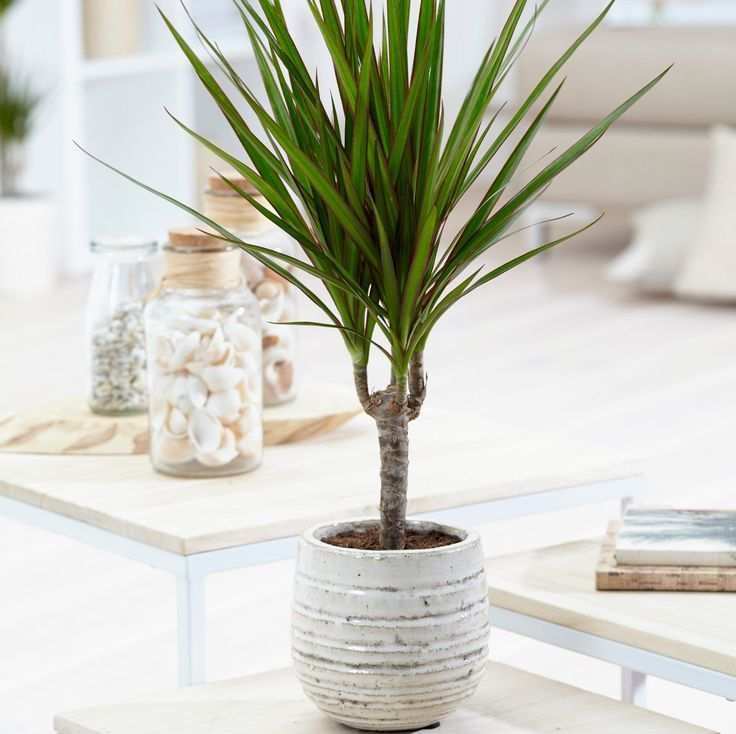
Dracaena marginata, also known as the dragon tree or marginata, is a stylish indoor plant native to Madagascar and known for tolerating heat and humidity. It is toxic because of saponins, and it poses a serious risk for both cats and dogs. If a dog eats the leaves, symptoms such as bloody or non-bloody vomiting, loss of appetite, and depression may occur; if a cat eats it, the same symptoms may appear, often accompanied by dilated pupils.
Kalanchoe (Flaming Katy)
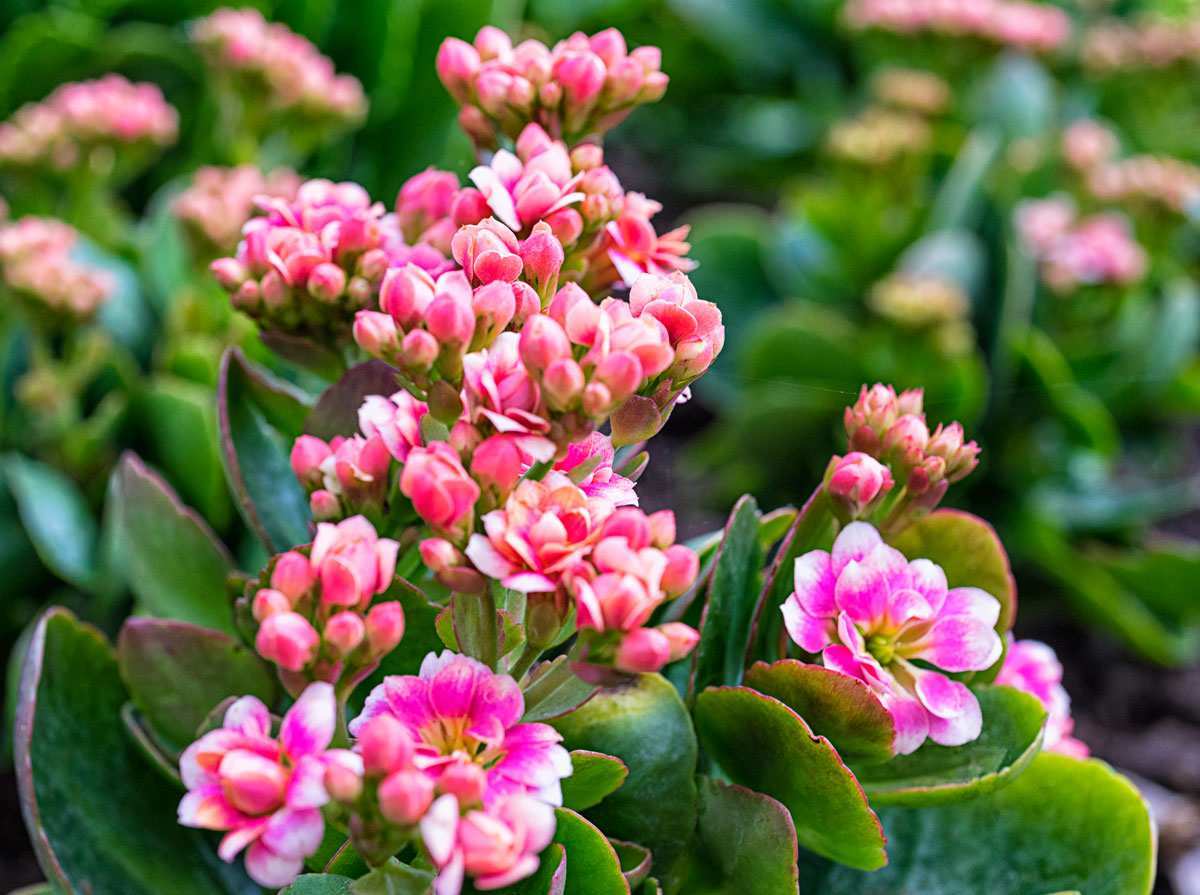
Kalanchoe is a tropical plant in the succulent family, and it is often chosen to add color to interiors thanks to its vibrant flower options. According to the ASPCA (American Society for the Prevention of Cruelty to Animals), Kalanchoe contains toxins in all parts of the plant that can cause drooling, vomiting, and diarrhea. If cats ingest a large amount of Kalanchoe, in rare cases it may lead to heart rhythm disturbances. In severe situations, symptoms such as seizures and fainting can also occur. For cat owners, it is often recommended not to keep this plant at home at all.
Sources Used:
- thespruce.com
- https://www.fda.gov/
- https://www.aspcapro.org/
- https://petcentral.chewy.com/
- https://www.petpoisonhelpline.com/


