

Hızlı Git
The study jointly conducted by Faculty Members Prof. Dr. Mehmet Akif Irmak, Cihad Bilge, Prof. Dr. Sevgi Yılmaz from the Department of Landscape Architecture at Atatürk University Faculty of Architecture and Design, and Mehmet Emin Daş from the Ministry of Youth and Sports, was published in Pure and Applied Geophysics (SCI-Q2), one of the world’s most respected geophysics journals.
Research Topic: Thermal Comfort and Tourism
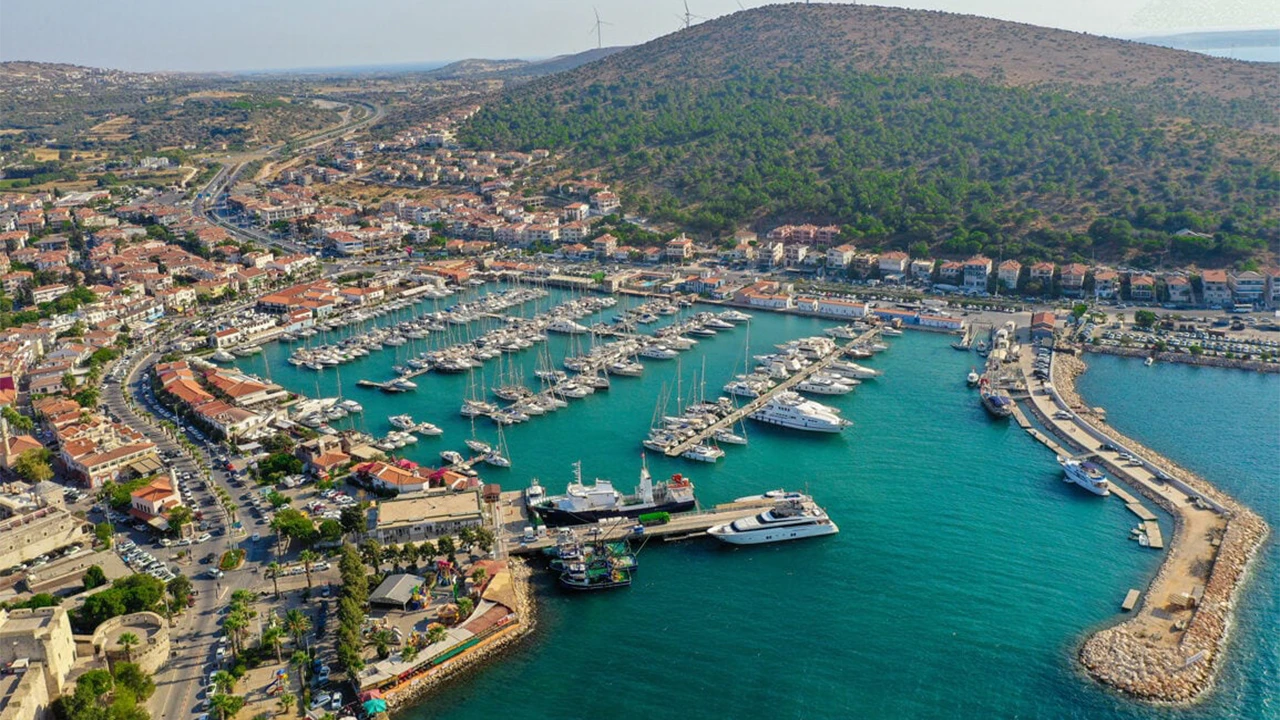
In the article titled “MicroClimate-Focused Thermal Comfort Assessment in Coastal Settlements with Tourism Activities”, a microclimate-based thermal comfort assessment was carried out in 15 important tourism centers located on Turkey’s Aegean and Mediterranean coasts. In the study, based on the PET (Physiological Equivalent Temperature) index, annual, seasonal, and day–night differentiated analyses were conducted; thus, it was scientifically revealed which cities are more comfortable during which periods of the year.

Why is it important?
This study offers significant contributions at both academic and sectoral levels regarding climate change, tourism planning, and regional development. Especially as extreme temperatures increase during the summer months, it clearly emphasizes the necessity of evaluating tourism destinations not only by temperature, but also together with parameters such as humidity, wind, and cloudiness.
In which cities was the study conducted?
| City | Town / Tourism District |
|---|---|
| Balıkesir | Ayvalık |
| İzmir | Dikili, Çeşme |
| Aydın | Kuşadası, Didim |
| Muğla | Bodrum, Marmaris, Fethiye |
| Antalya | Kaş, Kemer, Serik-Belek, Manavgat, Alanya |
| Mersin | Silifke, Erdemli |
Which cities stand out?
According to the research results:
- In annual averages, the most comfortable city: Alanya (15.4°C)
This information represents an important decision support system, especially for authorities planning both summer and winter tourism.
Below, for each of the 15 coastal tourism centers examined in the study, the months in which they are most advantageous in terms of thermal comfort are listed according to the average PET (Physiological Equivalent Temperature) values for each month. This table serves as a decision-support tool that can be used to help tourists determine travel dates and to support local governments in seasonal event planning.
Month-by-Month Most Comfortable Tourism Centers (According to 2015–2020 PET Data)
| Month | Average PET (°C) | ||
|---|---|---|---|
| January | Alanya – Silifke – Bodrum | 7.3 – 4.4 – 3.7 | Slight to Moderate Cold Stress |
| February | Alanya – Kaş – Silifke | 9.6 – 7.3 – 7.2 | Moderate Cold Stress |
| March | Alanya – Silifke – Bodrum | 10.8 – 9.0 – 7.5 | Moderate Cold Stress |
| April | Alanya – Silifke – Bodrum | 13.3 – 11.2 – 10.9 | Slight Cold Stress |
| May | Alanya – Silifke – Bodrum | 16.5 – 14.2 – 14.2 | Comfortable to Slight Cold Stress |
| June | Kaş – Silifke – Bodrum | 18.2 – 18.4 – 18.5 | Full Comfort Range (18.1–23 °C) |
| July | Erdemli – Çeşme – Kuşadası | 18.9 – 19.0 – 19.7 | Full Comfort Range |
| August | Çeşme – Dikili – Manavgat | 19.0 – 19.9 – 20.0 | Full Comfort Range |
| September | Kemer – Erdemli – Kaş | 18.1 – 18.4 – 18.6 | Full Comfort Range |
| October | Alanya – Silifke – Kaş | 17.5 – 13.9 – 13.7 | Slight Cold Stress to Comfortable |
| November | Alanya – Kaş – Fethiye | 12.4 – 9.3 – 8.6 | Moderate Cold Stress |
| December | Alanya – Kaş – Fethiye | 7.4 – 4.6 – 4.5 | Moderate to Strong Cold Stress |

Notes:
- PET (°C): It is the equivalent temperature value perceived by the human body. (See: Human Bioclimatic Comfort)
- Thermal Comfort Range: 18.1–23 °C is considered “comfortable.” Values below this range are evaluated as cold stress, and values above it as heat stress.
- Data were calculated using the RayMan Pro 2.1 software and were generated with 5-year data obtained from Meteoroloji Genel Müdürlüğü stations.
📖 To access the full article: 👉 [https://link.springer.com/article/10.1007/s00024-025-03719-w](https://link.springer.com/article/10.1007/s00024-025-03719-w)


