

Hızlı Git
A large portion of the plants we encounter in everyday life grow more eagerly in sunny spots. That’s why the shaded corners of gardens are often left empty, and over time they can start to look messy—almost “neglected.” Yet shade, with the right plant choices and the right layout, can become the most characterful part of a garden. In this article, I’ve brought together shade-tolerant species that can help you make shaded areas livelier, more balanced, and more functional.
It helps not to think of shade as a single condition. “Full shade” and “dappled shade” are not the same thing, and a plant’s response changes accordingly. You can read it briefly like this:
- Full shade: An area that does not receive direct sun during the day.
- Partial shade: An area that receives sun for 2–4 hours a day and remains shaded for the rest.
- Dappled shade: An area with filtered light passing through a tree canopy.
Shade-Tolerant Plants
Most plants need light to grow and flower. However, some species that evolved in closed-canopy environments—such as forest ecosystems—can continue to thrive even under low-light conditions. In landscape design, instead of treating shade as a “difficult, plantless patch,” building it through leaf texture, form, and seasonal effect can produce a much stronger result.
False goat’s beard (Astilbe spp.)
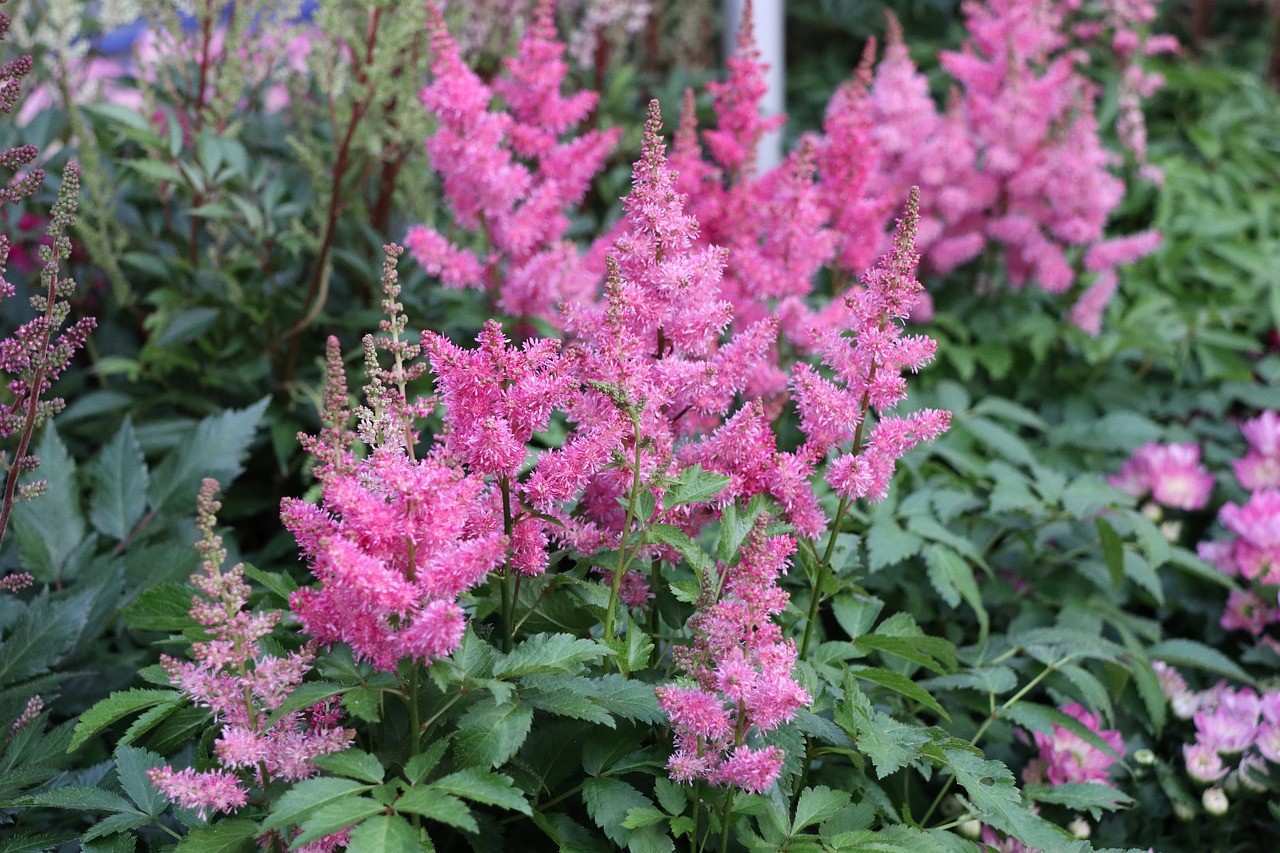
False goat’s beard is one of those plants that brings a sense of “lightness” into shade, thanks to its fine-textured flower plumes and fresh-looking foliage. With a color range stretching from white to purple, many cultivars in different sizes, and a clumping growth habit, it can quickly pull shaded areas together.
This plant struggles in full sun; midday sun in particular can cause leaf scorch and drying at the edges. The best scenario is a spot that receives a short dose of morning sun and shifts into shade in the afternoon. In terms of soil, it prefers an organic-rich, moisture-retentive structure that still drains well and does not stay waterlogged. If drainage is weak, adding compost before planting and slightly raising the planting area (a small mound) can make the work easier.
- Light: Partial shade and dappled shade are safer.
- Soil: Humus-rich, moist, well-drained soil.
- Watering: Deep watering rather than shallow sprinkling; check during dry periods.
- Maintenance: Divide every 3–4 years in spring; remove spent stems after flowering.
Hydrangea (Hydrangea spp.)
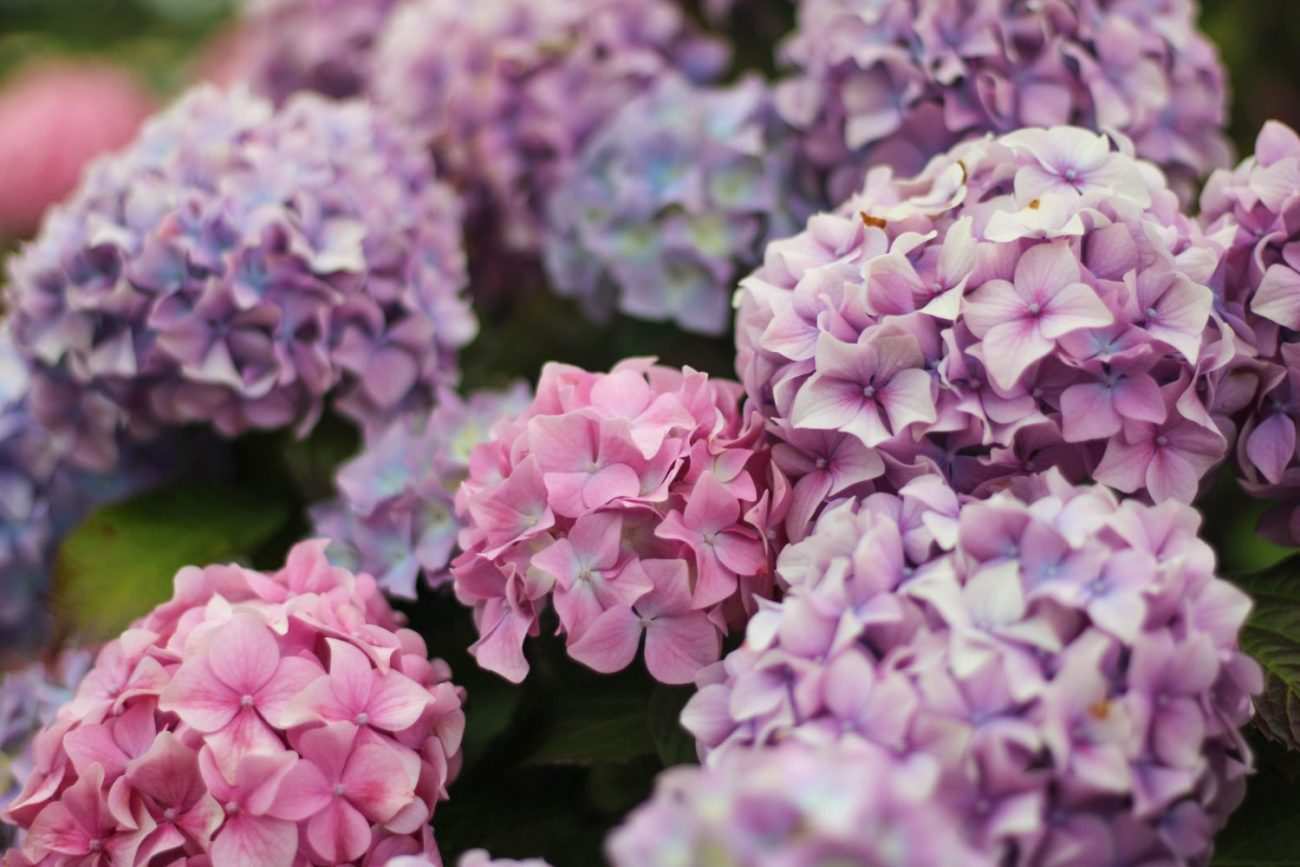
Hydrangeas create a strong focal point in shaded areas, blooming from late spring through summer. They may look delicate, but when planted in the right place, they can be a manageable shrub. Depending on species and cultivar, options that grow in the 1.5–3 meter range are common, which also makes them usable in smaller gardens.
The ideal location for hydrangeas is a spot with sunny mornings and shaded afternoons. Strong winds can damage the blooms, and in planting under trees, keep in mind that competition for water and nutrients may occur. Cooler planting seasons (autumn or early spring) usually progress more comfortably. Keeping the soil evenly moist is important, but heavy, airless soils that hold water and suffocate roots can be risky.
- Light: Morning sun and afternoon shade creates a good balance.
- Soil: Organic-rich, moist, well-drained soil.
- Watering: Deep watering a few times a week; regular checks especially in summer.
- Extra note: Mulch both preserves moisture and keeps the root zone cooler in summer.
Japanese aralia (Fatsia japonica)
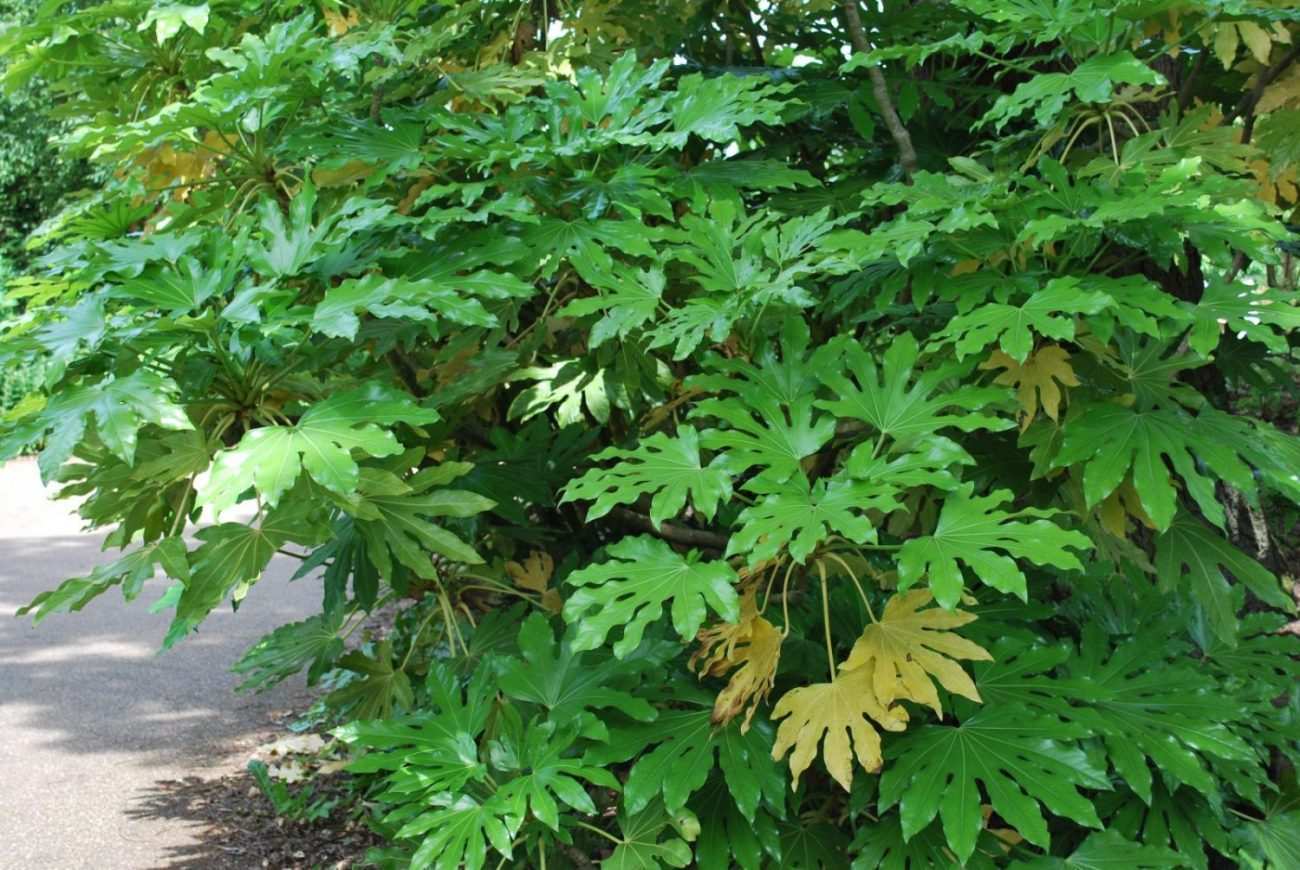
Fatsia japonica is a strong choice for those looking for a “tropical effect” in shade, thanks to its large, lobed leaves. Under suitable conditions it can reach 2–3 meters and may grow even taller over time. Because of the leaf weight, the form can sometimes lean to one side—something you can read not as a flaw, but as character.
It looks healthier in partial to full shade; strong wind and intense sun can wear the leaves. It likes organic matter in the soil and wants consistent moisture. If grown in a pot, it needs more frequent monitoring because containers dry out quickly. In colder regions, choosing a sheltered aspect protected from winter winds can help the plant, especially in its early years.
- Light: Partial shade to full shade.
- Soil: Compost-rich, moist but not waterlogged soil.
- Watering: Regular and deep; more attentive in pots.
- Pruning: Light shaping in early spring; thinning old stems for rejuvenation.
Rhododendron (Rhododendron spp.)
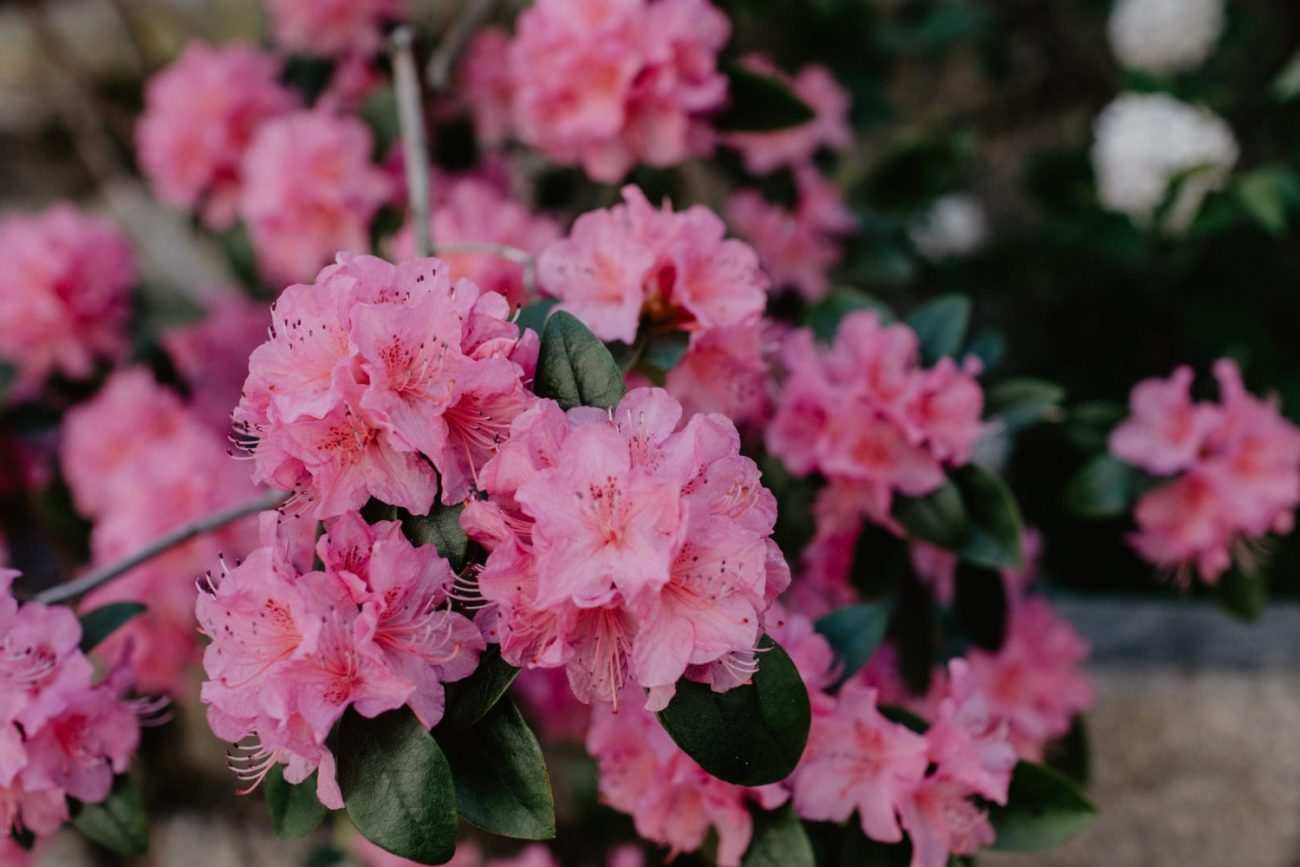

Rhododendrons add a strong color layer to shade with their striking flowers from spring into early summer. The color spectrum is very wide, and in the right place they can deliver a lasting shrub effect for many years.
The most critical issue for these species is soil reaction (pH) and drainage. Rhododendrons generally prefer well-drained, organic-rich soils with an acidic tendency. Dappled shade is often ideal; afternoon sun and wind can stress the plant, especially in hot periods. Balance in watering matters: the root zone should stay moist, but water should not pool.
- Light: Dappled shade and partial shade.
- Soil: Good drainage, organic matter, slightly acidic structure.
- Watering: Regular and deep; do not neglect in dry spells.
- Extra note: Because they are shallow-rooted, mulch is safer than hoeing.
Sweet box (Sarcococca confusa)
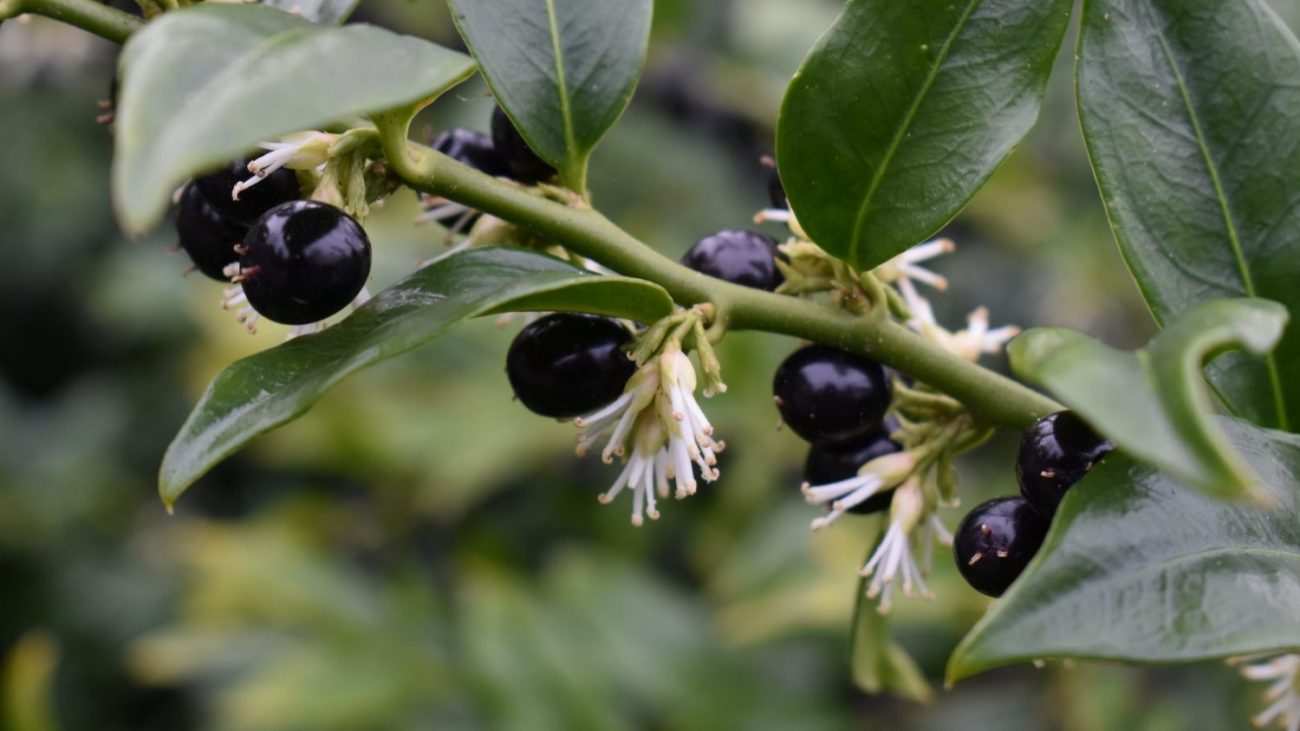


Sweet box is an evergreen shrub that blooms in late winter with small but impressively fragrant flowers. The flowers are not showy, but the scent can be truly noticeable. After flowering, glossy berries that shift from red to black also add a decorative effect.
It usually grows in a rounded form around 1–1.5 meters. It prefers moist, humus-rich, well-drained soils. It looks more stable in partial shade and shade; with good moisture it can tolerate some sun as well. Because it is relatively resilient in urban conditions, it can be considered a reliable “keep the shade green” shrub.
- Light: Shade and partial shade.
- Soil: Humus-rich, moist, well-drained.
- Pruning: Light shaping after flowering is usually sufficient.
Guelder rose (Viburnum opulus)
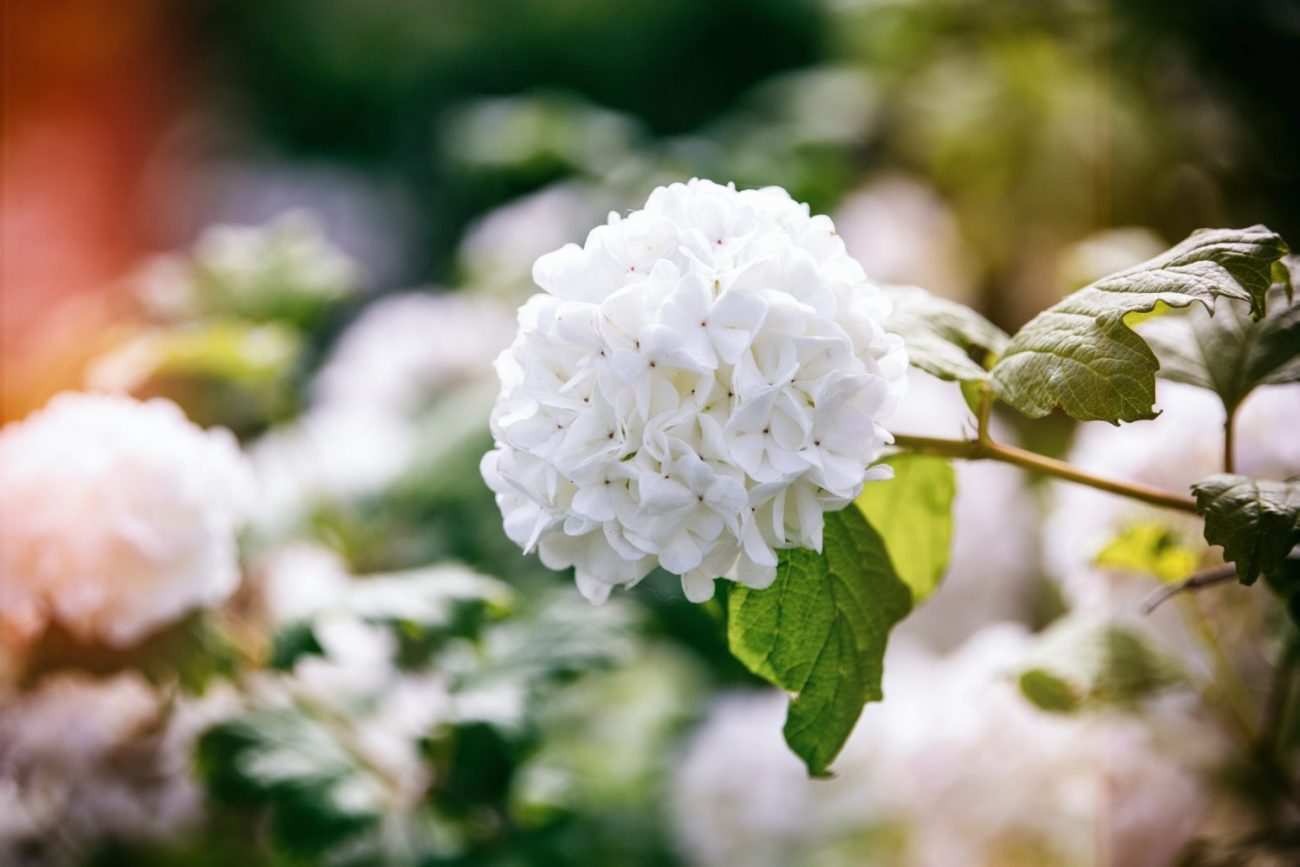
Guelder rose is a shrub with strong seasonal impact, thanks to its showy white flower clusters in spring and its foliage that colors in autumn. Forms that can reach the 3–5 meter range under suitable conditions are more common. The berries can be ornamental, though using them for consumption is a separate discussion topic.
It is comfortable in partial shade; it can also grow in full sun, but then consistent moisture becomes more critical. Moist, organic-rich soils noticeably strengthen the plant. Pruning after flowering is a better timing choice for maintaining form.
- Light: Partial shade and sun; flowering can weaken in deep shade.
- Soil: Moist, humus-rich, well-drained structure.
- Pruning: Light thinning and shaping after flowering.
Common periwinkle (Vinca minor)
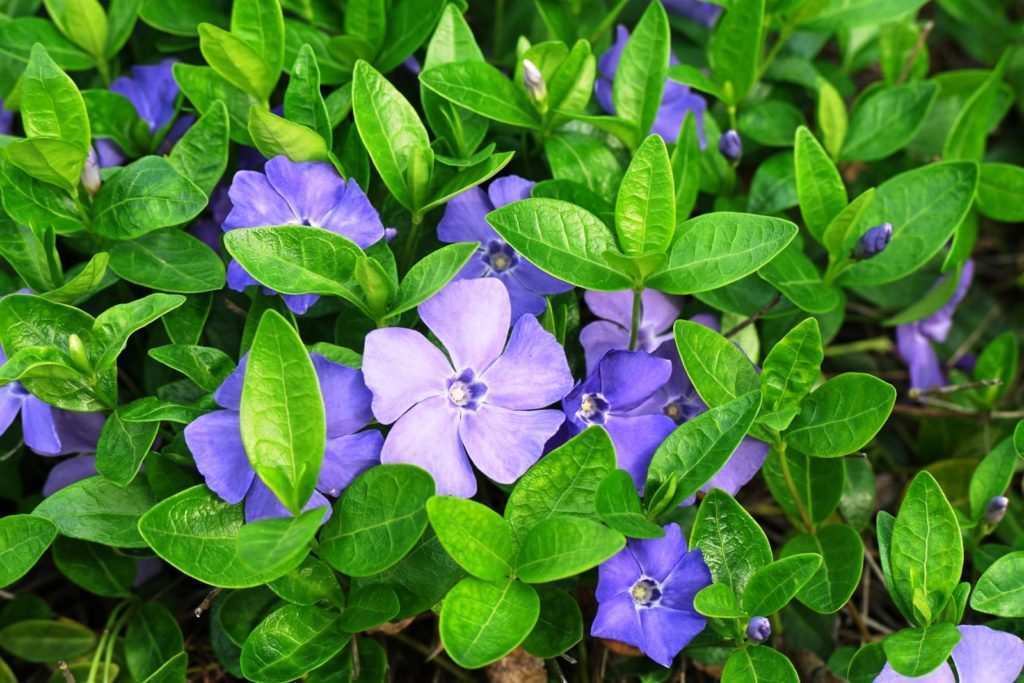
Vinca minor is a well-known groundcover that can keep green texture continuous in shade. Flowering begins in spring and can extend intermittently under suitable conditions. Its fast-spreading habit is an advantage in the right place, but in areas where you want clear boundaries, it may require control.
It prefers well-drained soils. It can tolerate full shade, but looks fresher in partial shade. If planted in a brighter spot, maintaining soil moisture becomes important. The most common mistake with groundcovers is to assume “it will establish anyway” and under-water in the first year; good care in the first season makes the following years much easier.
- Light: Full shade and partial shade.
- Soil: Good drainage; moderate moisture.
- Maintenance: Edge control to limit spread.
Japanese laurel (Aucuba japonica)


Japanese laurel is one of those plants that “doesn’t leave the space empty,” especially in deep shade, thanks to its foliage texture. Variegated cultivars brighten shade. Under suitable conditions it can grow to 2–3 meters; because it grows slowly, it is normal for it to look sparse in the first years.
The darker the shade, the better the leaves often look. In places with too much sun, leaf darkening and scorch can occur. Organic-rich, moist but well-drained soils are ideal. It can survive in heavy clay soils, but improving drainage extends the plant’s life.
- Light: Deep shade and partial shade.
- Soil: Organic matter, consistent moisture, drainage.
- Maintenance: Removing broken and weak shoots is usually enough.
Heartleaf bergenia (Bergenia cordifolia)
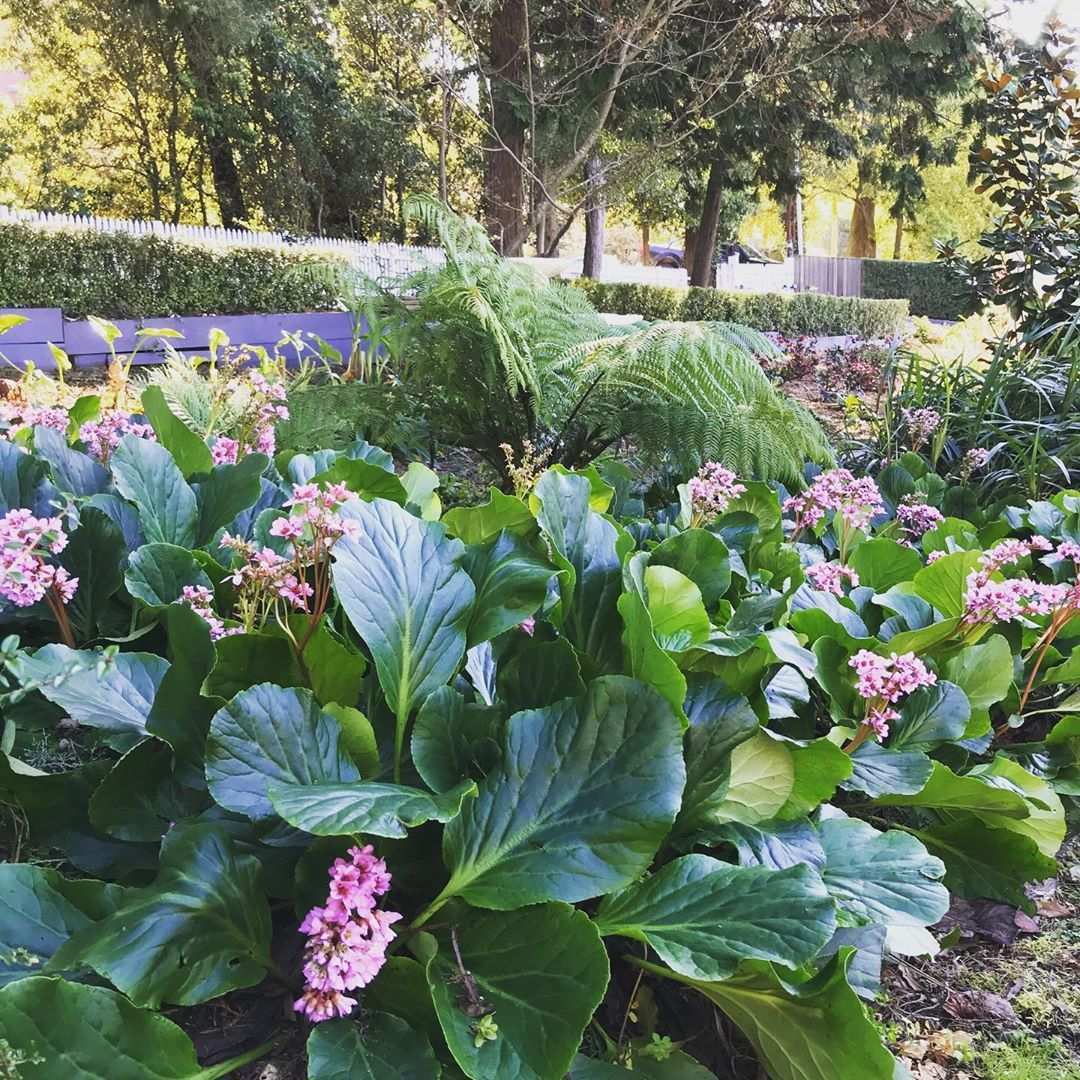
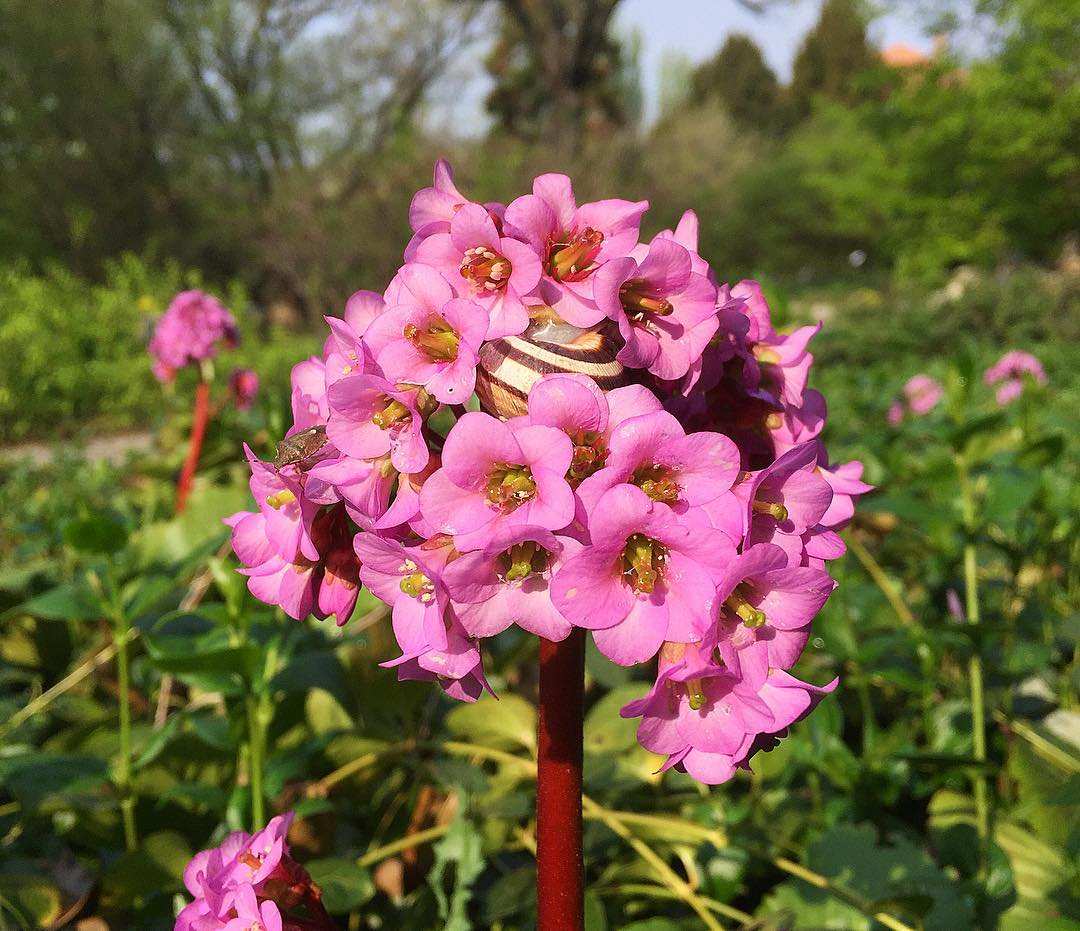
Heartleaf bergenia is a low-maintenance perennial that tidies the ground in shaded areas with its leaf mass. It likes dappled shade and shade; under intense sun, leaves can toughen and tire more quickly in summer.
Well-drained soil is preferred; improving with compost can help when needed. The flowers remain effective for a few weeks; removing the stems as blooms age tidies up the look. It can be rejuvenated by division every 3–5 years; when the center starts to thin out, the plant usually makes this need obvious.
- Light: Shade and dappled shade.
- Soil: Drainage should be good; organic matter can be added.
- Maintenance: Clean-up after flowering; division every 3–5 years.
Common boxwood (Buxus sempervirens)
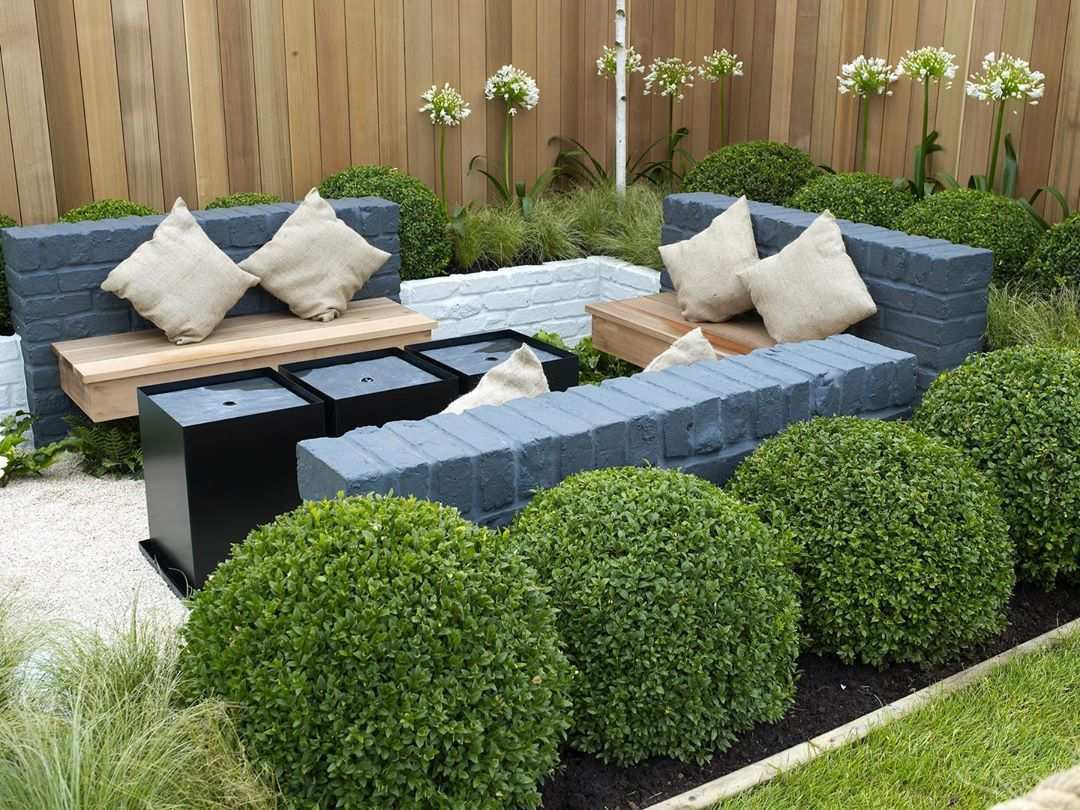
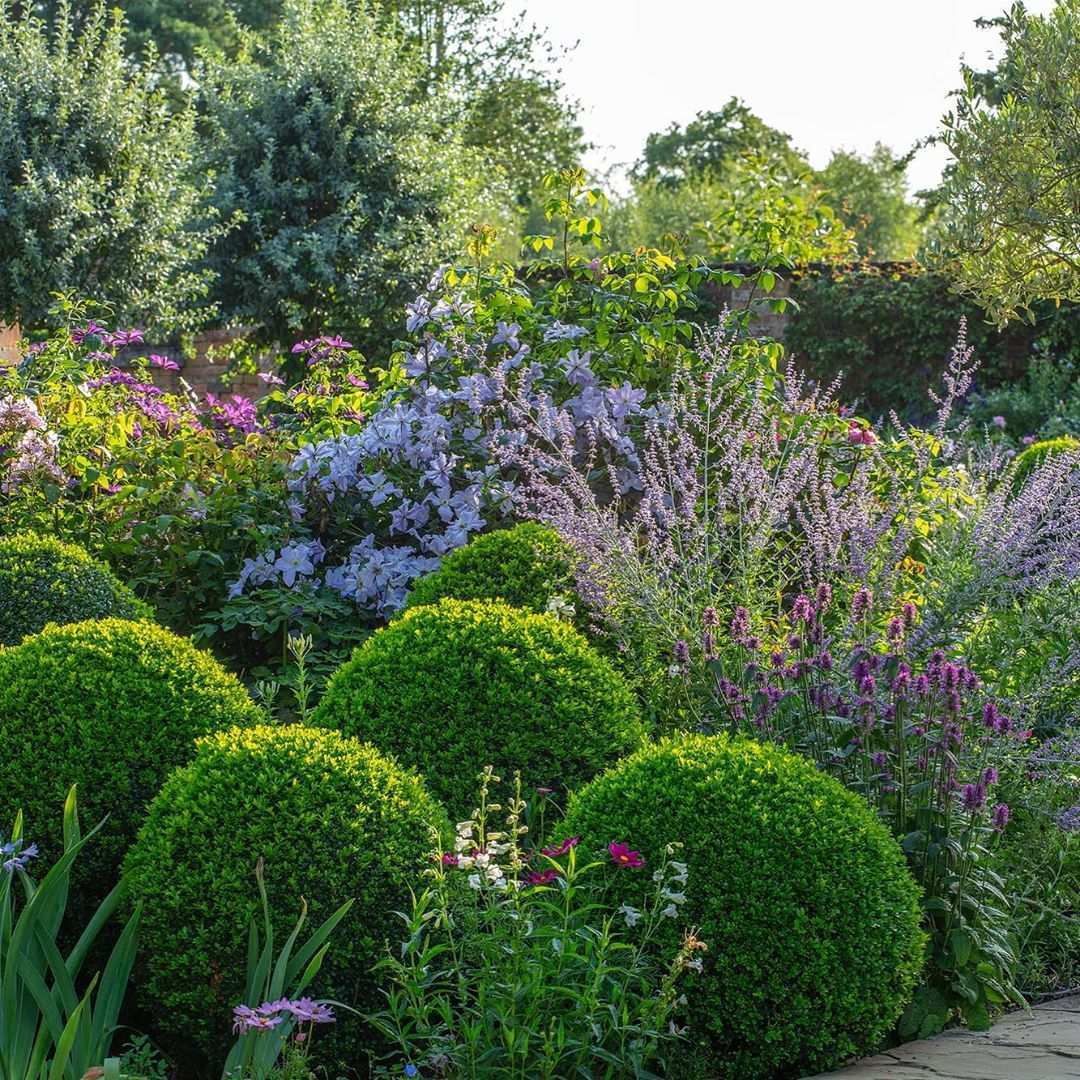
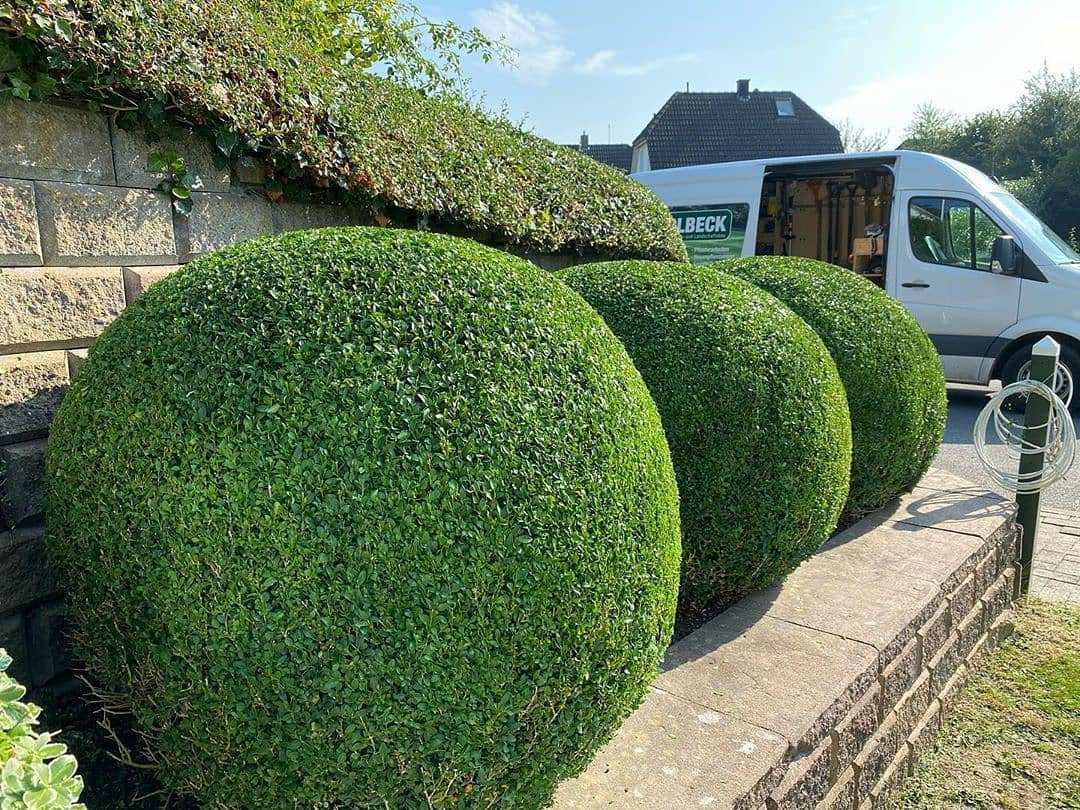
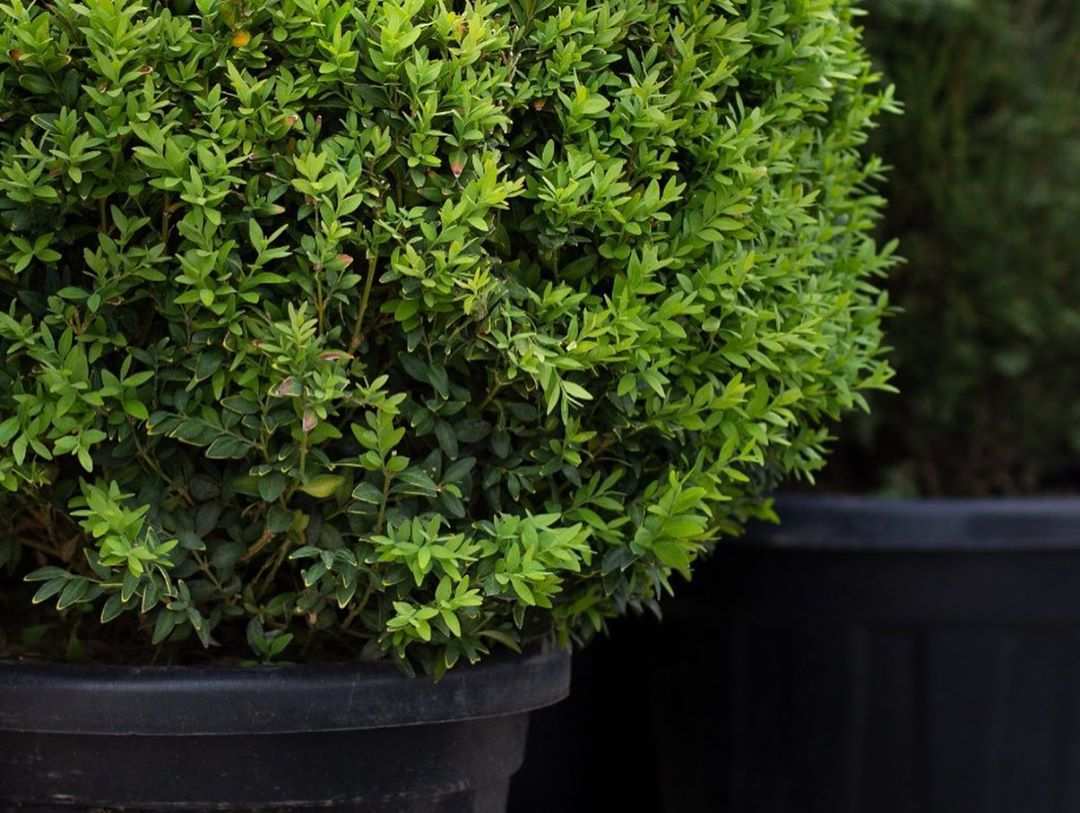
Common boxwood is a classic species for defining borders and creating clipped forms. It tolerates shade, but in full shade leaf density may decrease. Partial shade often provides a more balanced look in most garden scenarios.
It is not overly picky about soil, but it performs more smoothly in evenly moist, well-drained ground. In full sun, winter burn and summer stress can increase; wind can also pull moisture from the leaves quickly, which can be especially negative in winter. In pruning, the most critical point is avoiding heavy cuts right before autumn frosts. Also, because pests and disease issues have become more visible in boxwoods in recent years (especially symptoms like leaf drop and dieback), regular observation is a valuable habit.
- Light: Partial shade is ideal; it can thin out in full shade.
- Soil: Moderate moisture, good drainage; mulch protects the root zone.
- Pruning: Light trims in late spring and early summer are safer.
- Extra note: Thinning very dense growth occasionally helps improve air circulation.
Additional Plant Suggestions
Hosta (Hosta spp.)
Hosta species are among the safest options for working with foliage texture in shade. They offer a broad range of textures, from light green to blue-green and variegated forms. They prefer moist, organic-rich soils. In shade gardens, they are highly effective for “pulling the ground together” and creating contrast with bold leaves.
Ferns (Dryopteris, Athyrium, and similar genera)
Ferns establish a natural woodland-understory feeling, especially in dappled shade. When combined with natural materials such as stone, logs, or bark mulch, shaded areas gain a “wild yet tidy” aesthetic. The healthiest line is not constantly wet soil, but consistently moist soil.
Lenten rose (Helleborus orientalis)
Lenten rose fills a rare time window in shade gardens thanks to its flowering in late winter and early spring. Its foliage also stays decorative for a long period. In partial shade and dappled shade scenarios, it performs especially well in “still visible in winter” spots near entrances.
Small Design Moves to Make a Shade Garden Look Better
Half of success in shade gardening is plant selection; the other half is layout. Where light is limited, leaf texture, layering, and rhythm become more decisive than flowers. Instead of scattering similar plants one by one, repeating them in small clusters makes the area look more intentionally designed. Light-colored foliage, fine-textured plants, and groundcovers help shade become readable rather than a “dark blot.”
- Build layers: Think groundcover, mid-layer, and an accent plant together.
- Repeat: Repeating the same plant in a few spots gives the eye a sense of order.
- Add mulch and an edge line: Bark mulch and a crisp boundary instantly tidy a shady corner.
- Leave a walking line: Even a narrow path makes the shaded area usable.


