

Hızlı Git
Lemon trees, which are very rich in vitamin C, are among our essentials not only on the table but also in our homes. Growing a lemon tree at home has recently become quite popular, especially on social media with celebrity posts.
Many lemon tree varieties are grown in our country, such as Lamas, Kara Limon, Enterdonat, Kütdiken, Kıbrıs Limonu, Lisbon, Mayer, Misket, and Molla Mehmet (1). For outdoor cultivation, the Mediterranean coast, the Black Sea region, and the Aegean region are suitable places for growing lemon trees. Lemon trees usually have fruits that ripen in winter and become ready for harvest. In this article, we will try to share practical information about lemon trees grown at home.
Growing a Lemon Tree at Home
Growing a lemon tree at home is quite common in Turkish home culture. It is often preferred because the lemon blossom, the yellow fruit, and the green leaves create a pleasant contrast indoors. Especially the cute dwarf varieties grown at home can be a really nice touch in your home decoration.

Lemon tree prices are quite reasonable among indoor plants in our country. On average, lemon trees start around 50 TL and can range from 100 to 200 TL depending on size and variety.
Benefits of Having a Lemon Tree at Home
- Creates striking contrast and adds a strong aesthetic character to home décor
- Brings a spring-like atmosphere indoors with its wonderful scent
- Draws attention with the vivid color of its leaves
How to Care for a Lemon Tree at Home
Lemon trees are generally more cold-tolerant than many other citrus types. Still, when we grow lemon saplings in pots at home, their growth and development are largely proportional to the pot size. They can be sensitive to both cold and heat and may be affected quickly.
I wanted to prepare a guide for you around the question “How do you care for a lemon tree at home?” In this article, I will try to answer the most common questions about lemon tree care.
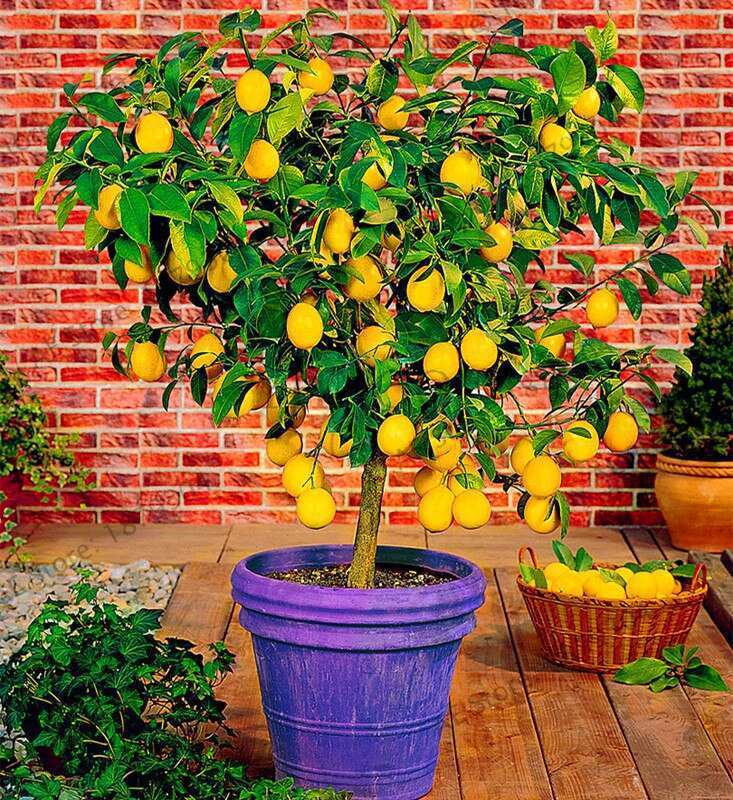
Requirements for Potted Lemon Trees
1. Sun and light needs
Lemon trees love sun, warmth, and humidity, so you should place the pot in a sunny spot, but it is also important that it is not exposed to strong wind. If you are germinating from seed, plenty of light is especially necessary at that stage. When natural light is not sufficient, you can compensate with artificial grow lights.
2. Soil
Soil is an important factor for plant development. Using a well-drained soil mix enriched with plenty of organic matter and manure can be helpful for getting high-yield, healthy plants. Using only ready-made potting soil or only peat is generally not recommended.
3. Watering
Too much or too little water can cause flowering problems and fruit drop. Sometimes the plant may even die. In winter and spring, watering frequency and the amount of water can vary depending on the pot volume, roughly every 2 to 7 days. On windy and hot days, the plant may need more moisture, so watering can be increased. Ideally, water in the evening and keep the soil evenly moist. Sudden changes in the environment (watering routine, repotting, light direction, etc.) can cause even evergreen lemon trees to drop leaves.
4. Humidity
Humidity is needed for a lemon tree to thrive, and around 50 percent humidity is considered ideal. To help with this, you can mist the leaves with water using a spray bottle.
5. Fertilizer
Lemon is a fast-growing plant. To keep this growth productive, nitrogen-rich fertilizers are often needed. Fertilizing should be done when the soil is dry, and then it should be watered. (4)
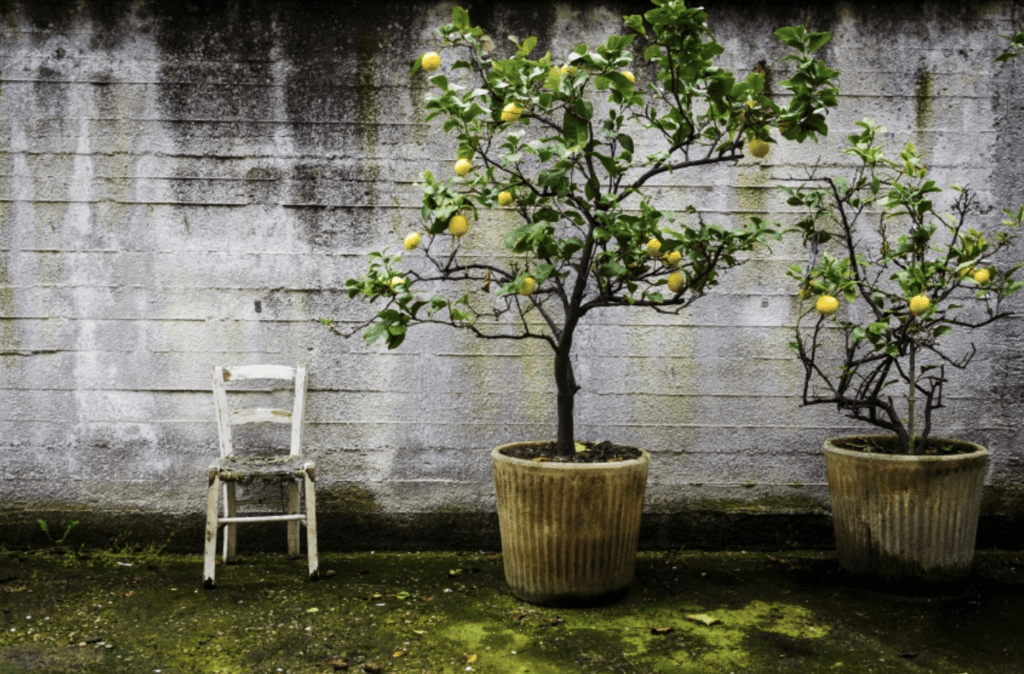
How to Plant a Lemon Tree at Home
You can grow a lemon tree either by buying a sapling or by planting a seed (pit). Lemon saplings are sold on many e-commerce sites. Propagation with lemon seeds is also possible. We added a video below about growing a lemon tree from seed.
Planting a Lemon Tree
You can watch a video here that explains lemon seed germination and growing a lemon tree in a pot.
https://www.youtube.com/watch?v=2mh_8SCa8rU
When Should You Plant a Lemon Tree
Planting a lemon tree at home can be done in all 12 months of the year, because lemon saplings are usually sold in containers (with their soil). Container-grown saplings can be planted in any season. Indoor plants we use at home are also planted whenever desired since they are grown with soil. Lemon tree planting time is similar.
When Should a Lemon Tree Be Pruned
For home-grown lemon trees, pruning is generally recommended in July, August, and September.
Pruning is also among the necessary steps if you want your plant to be healthier, grow faster, and keep a neat form. For new shoots and better sapling development, you can do crown pruning once or twice a year. Crown pruning is the process of cutting about 5 to 7 cm from the tips of branches with pruning shears. Also, removing unproductive rootstock-type branches can help your sapling grow more evenly.
How to Graft a Lemon Tree
Lemon tree grafting is done in two ways. The method that often gives the best results is dormant bud grafting, typically in September and October. The type of graft that is applied when lemon saplings begin to produce shoots, usually in April and May, is called shoot bud grafting.
The sapling to be grafted should be at least 1 meter tall. Excess parts on the rootstock branch, such as thorny shoots, should be removed. We added a practical, step-by-step video below showing how grafting is done.
Lemon Tree Diseases and Problems at Home
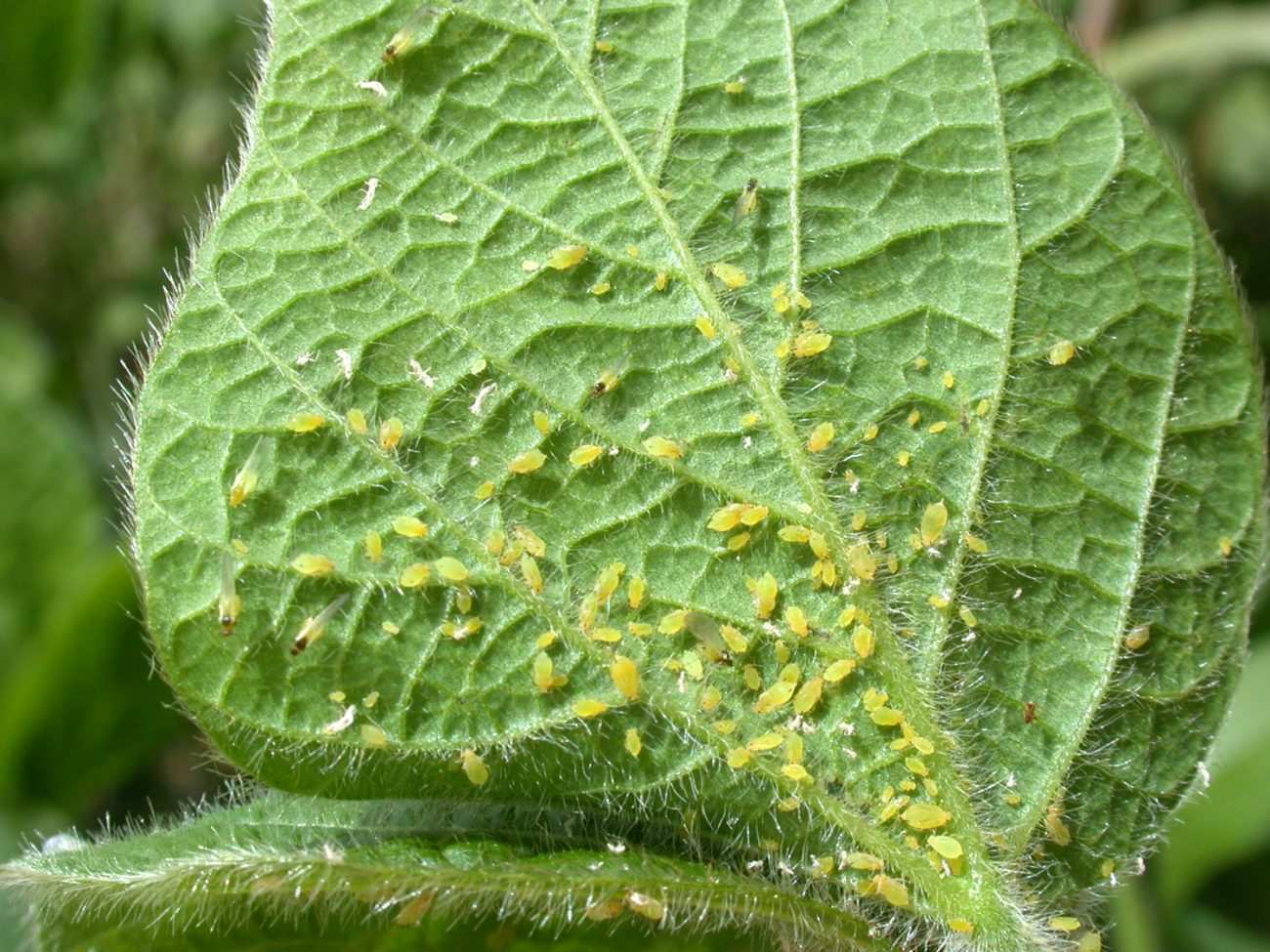
Although lemons are considered a relatively resistant species against plant diseases, they may still struggle with some issues, especially when there are nutrient deficiencies. Symptoms such as leaves turning brown and drying along the edges may be seen. The most common problems include tip dieback, mealybugs, and aphids, which can cause leaves to curl and wrinkle.
Insect Infestations on Lemon Trees at Home
One situation we do not want to face is pest infestations that can negatively affect growth and harm the plant. The most common pests are aphids and red spider mites. In such cases, you can get rid of them by spraying organic insecticides.

Repotting a Lemon Tree at Home
Repotting is generally done at the start of spring when growth speeds up, when roots begin to come out, or when leaves start to fade. The pot size should match the scale of your tree. For faster adaptation after repotting, it is better to do it close to morning or evening hours.
Key Tips for Growing a Lemon Tree at Home
So, is growing a lemon tree at home as difficult as it seems, and does it require “serious” expertise? Let’s look at the most curious points together in a simple question-and-answer format…
1. Can you keep a lemon tree at home
You do not necessarily need a garden to grow a lemon tree. In an indoor space, on a terrace, or on a balcony, it adds a different atmosphere with its fragrant white flowers, yellow fruits, and dwarf form. Being relatively easy to care for, cold-tolerant, and able to fruit quickly are among the main reasons people start growing lemon saplings.
2. Why does a lemon tree drop leaves at home
Leaf drop can be caused by temperature changes, insufficient light or sudden placement under very strong light, watering frequency, changing location, and over-fertilizing. (3)
3. My lemon tree leaves became sticky. What is the reason
One of the common problems you may face when growing lemons is sticky leaves. If you have this issue, the likely cause is aphids. Aphids feed on living tissues that carry the nutrients needed for plant growth. As they suck the sap, a sweet, sticky residue can remain on the leaves. One of the main solutions is using agricultural pesticides; additionally, you can prune and remove heavily affected leaves.
4. When does a lemon tree bloom at home
At the beginning of spring, a lemon tree starts to show its fragrant white blossoms. If climate conditions are favorable, it may keep a tendency to flower throughout the year.
5. How can a lemon tree at home revive
Regular watering, repotting, pruning, and giving nitrogen-rich fertilizer when needed can help your tree grow healthily, faster, and “come back to life.” But beyond routine care, they also need the attention you give them—do not forget, love is the biggest need…
6. Where should a lemon tree stand at home
Since a lemon tree does not like wind and cold, if it will be placed on a balcony or terrace, it should be kept in a sunny spot that is protected from wind. Indoors, it should not be placed next to a radiator. They want strong sun and plenty of light.
7. Does a lemon tree drop leaves in winter at home
Lemon trees are not very resistant to harsh winter conditions, so they may drop leaves.
8. When does a lemon tree produce lemons at home
A lemon tree produces fruits from autumn into spring as the lemons gradually mature.
9. Why does a lemon tree drop its fruit
Temperature changes, incorrect or excessive fertilization, overwatering, and nitrogen and phosphorus deficiency can cause fruit drop. (2)
10. Is a lemon tree a thorny tree
Almost all lemon types have thorns, but this may not be obvious when the plant is a young sapling. As it grows into a tree form, the thorns will appear.
11. What kind of soil does a lemon tree like
Soils with organic manure, and relatively high clay and humus content, are among the most suitable conditions for your sapling to grow.
12. My lemon tree at home is not fruiting
If your lemon tree is not producing fruit, the reason may be related to its variety, but it may also be caused by disease and pests, incorrect fertilizer use, or the need for grafting.
Sources Used
- https://www.tarimbilgisi.com/haber/meyve/kac-farkli-limon-turu-var/
- https://www.limonagaci.net/limon-agaci-meyve-vermiyor.html
- https://24segodnya.ru/tr/uhod/esli-opadayut-listya-limona-prichiny-metody-borby-u-limona-opadayut/
- https://hepsibahcemden.com/limon-fidanini-evde-yetistirme/


