
Hızlı Git
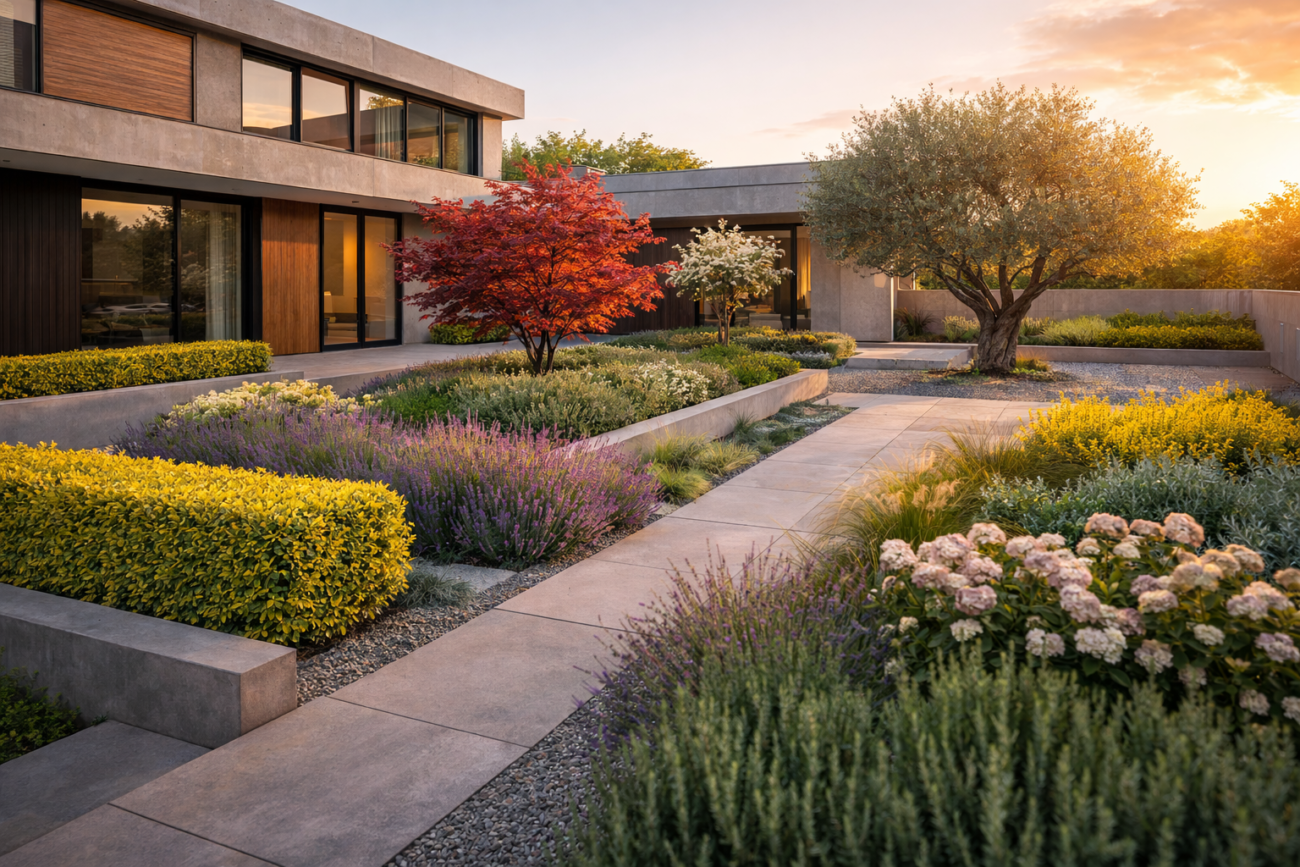
As urban life becomes denser, ornamental plants have started to be evaluated not only as an aesthetic element, but also through criteria such as spatial comfort, ease of maintenance, and climate resilience. Heading into 2025, the ornamental plants that stand out both in private gardens and in public landscapes are largely species that require little water, offer four-season interest, and align well with architectural language.
That this interest is not limited only to private gardens or local landscape projects becomes clearer when you look at sector data. Indeed, exports of ornamental plants and related products increased by 13.7% in 2025 compared to the previous year. This up-to-date figure shared by Anadolu Agency suggests that ornamental plants are no longer merely an aesthetic preference, but may also be turning into a strategic production field with growing economic value. Especially the fact that species in demand for landscape applications also stand out in export categories indicates that a direct relationship can be established between plant selection and global market dynamics.
The 10 Most Preferred Ornamental Plants in 2025
Below, you will find the 10 most preferred ornamental plant species in 2025, along with their usage logic and distinctive characteristics.
1. Taflan (Euonymus japonicus)
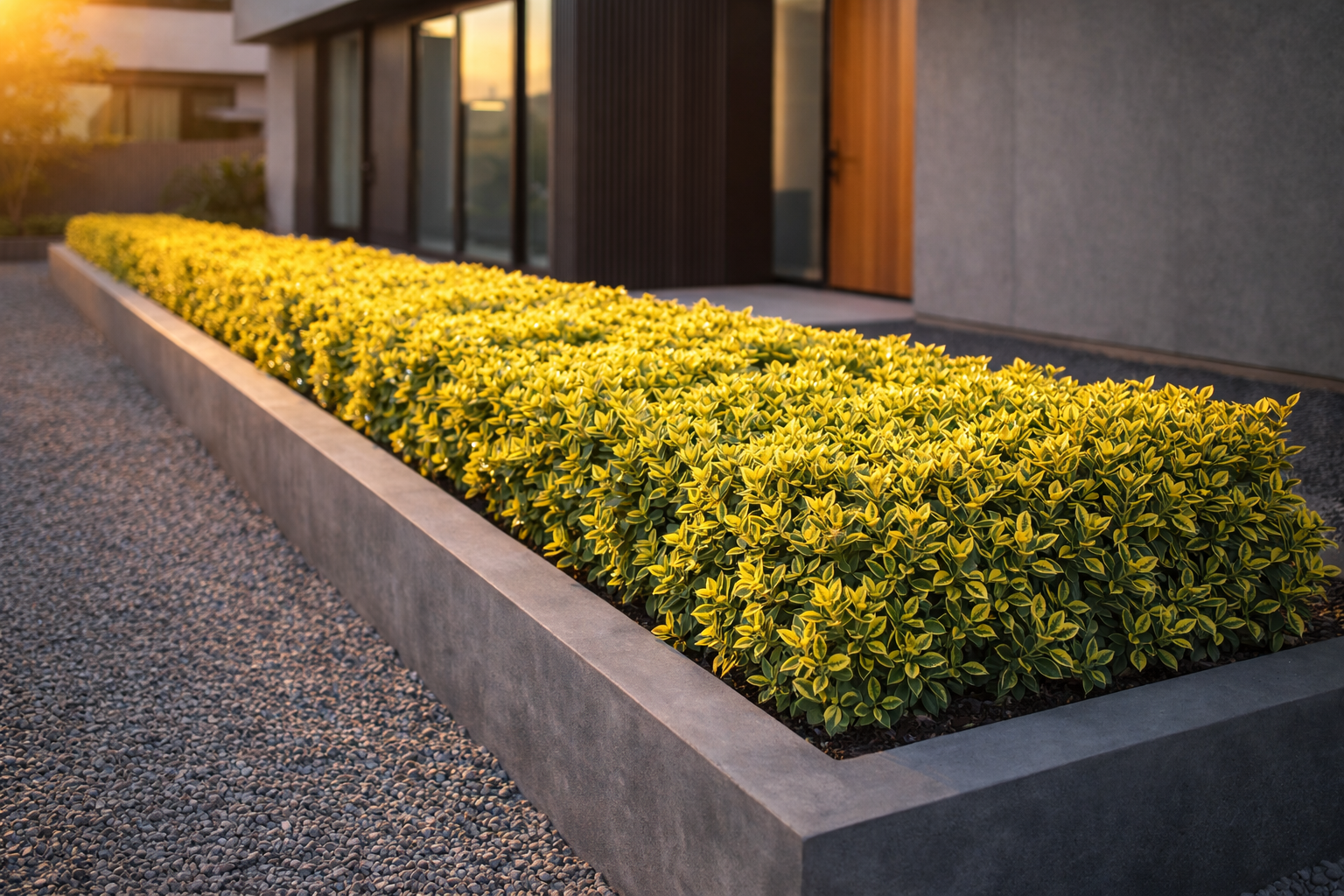
Taflan remains one of the first species that comes to mind in 2025 when people say hedge and boundary plant. Thanks to its evergreen structure, it defines space throughout the year. Variegated-leaf cultivars are especially preferred in modern residential gardens. Its tolerance to pruning makes it strong for orderly and controlled landscapes. The fact that it can also live in partial shade is a major advantage in narrow spaces.
2. Lavender (Lavandula angustifolia)

Lavender is no longer only the plant of rural or romantic gardens. In 2025, it also finds a place in minimal and contemporary landscapes. With its low water requirement, gray-green leaf texture, and fragrance effect, it offers both an ecological and sensory contribution. It creates a strong contrast especially with hard surfaces such as stone, concrete, and wood.
3. Ornamental Crabapple (Malus spp.)

Ornamental crabapple is one of the species that shows seasonal change most clearly. With spring blossoms, summer green leaf texture, and colorful fruits that remain into autumn, it is an ornamental tree with four-season interest. In 2025, it is frequently preferred in housing estates, school gardens, and pedestrian corridors. Because it works at human scale, it enriches a place without overwhelming it.
4. Japanese Maple (Acer palmatum)
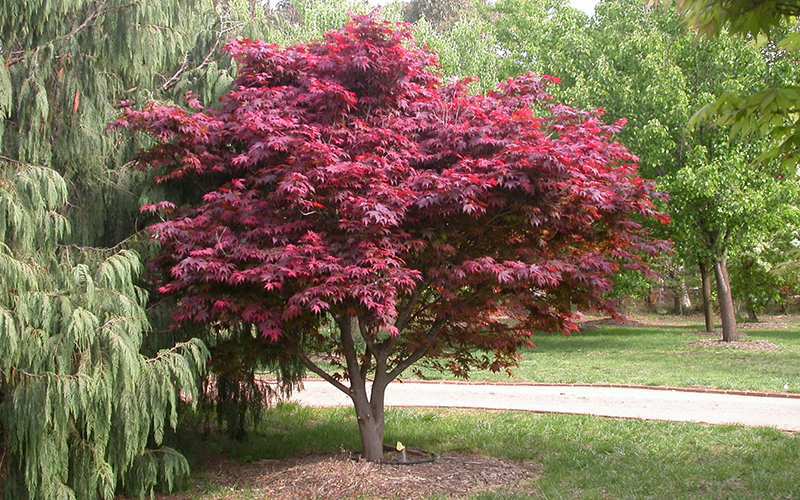
Japanese maple stands out as a “focal plant,” especially for small gardens and courtyards. Its fine branching structure and foliage colors that change with the seasons make it look almost like a living sculpture. In 2025, it is preferred mostly in partial shade and controlled landscapes, because it has high aesthetic value but is a delicate species.
5. Hydrangea (Hydrangea macrophylla)
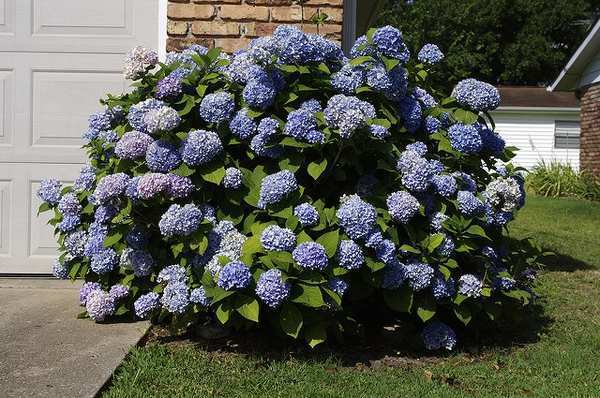
Hydrangea is on the rise again in 2025 thanks to its strong flowering impact. It is especially preferred in residential gardens and partially shaded areas. The fact that flower color can change depending on soil pH is an interesting feature for users. With its large leaves, it gives the space a sense of fullness.
6. Rosemary (Rosmarinus officinalis)
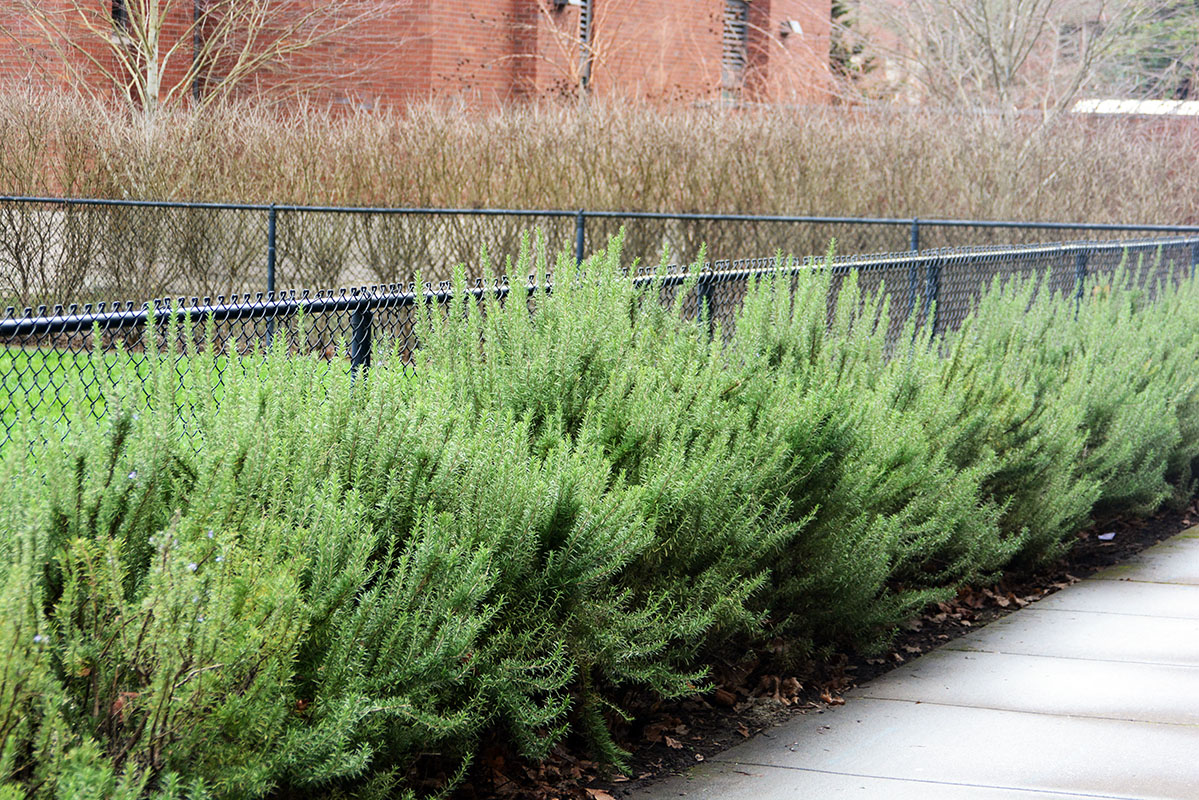
Rosemary is one of the species that blurs the line between ornamental and aromatic plants. In 2025, it stands out with the idea of multifunctional landscape. It is visually strong and can also connect with the kitchen. Its drought tolerance and low maintenance need make it indispensable especially in Mediterranean-climate regions.
7. Boxwood (Buxus sempervirens)
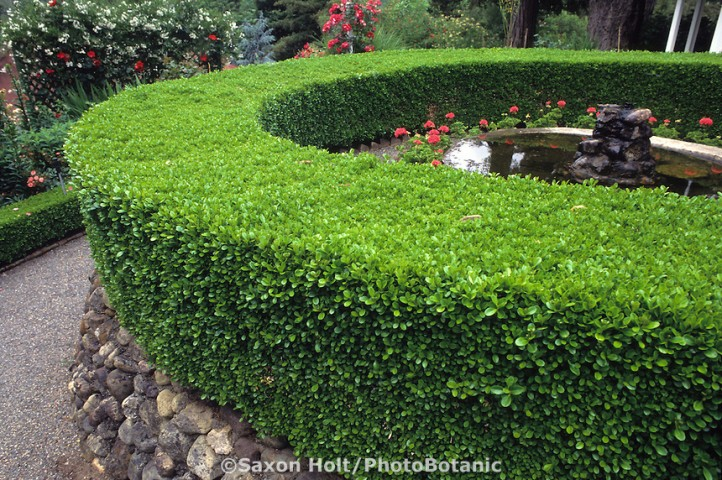
Boxwood used to be indispensable in classical formal gardens; in 2025, it is used with more geometric and contemporary interpretations. It works almost like a tool that organizes space through spherical, prismatic, and linear forms. Thanks to its slow growth, it can keep its shape for a long time. However, because of disease risks, correct care knowledge is important.
8. Ornamental Grasses (Miscanthus, Pennisetum species)
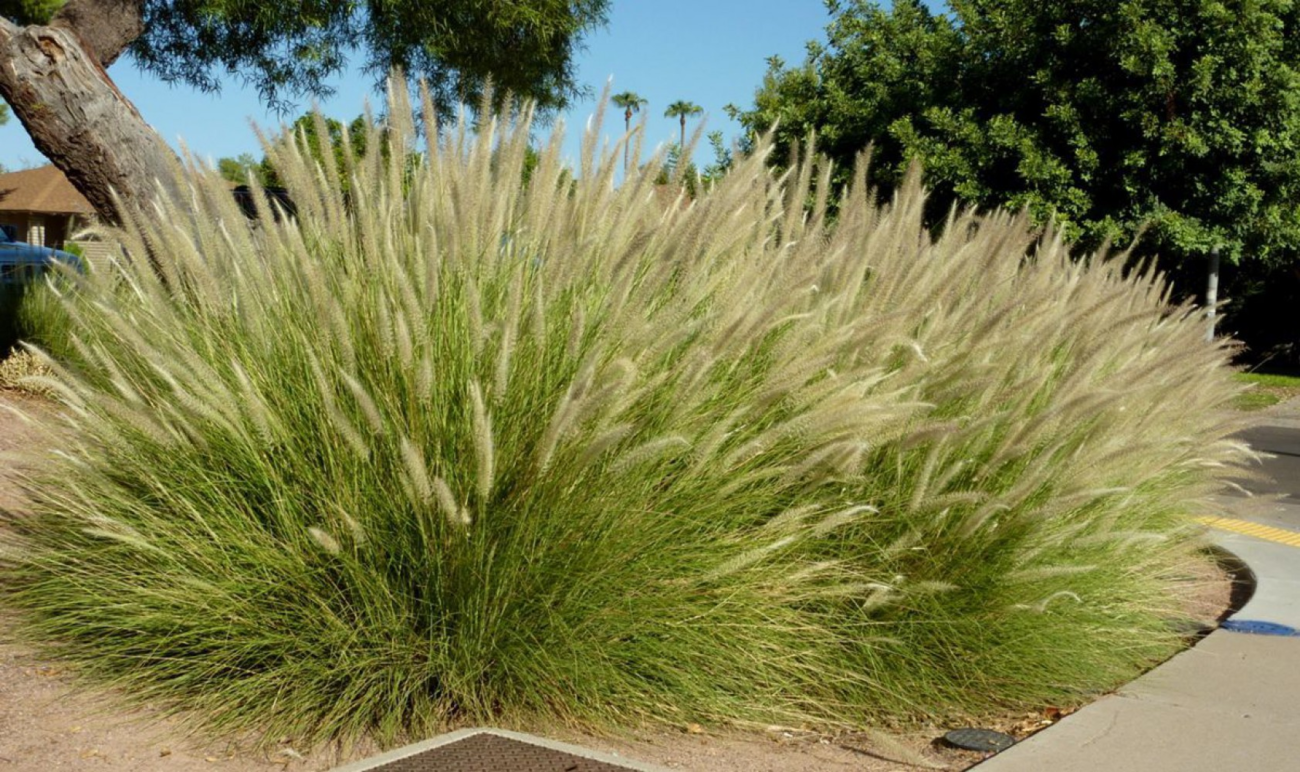
Ornamental grasses are one of the clearest trends of 2025. With their moving textures, their relationship with light, and their natural look, they soften hard landscape elements. Especially in modern housing projects and public spaces, they create a “natural but controlled” effect.
9. Olive Tree (Olea europaea)
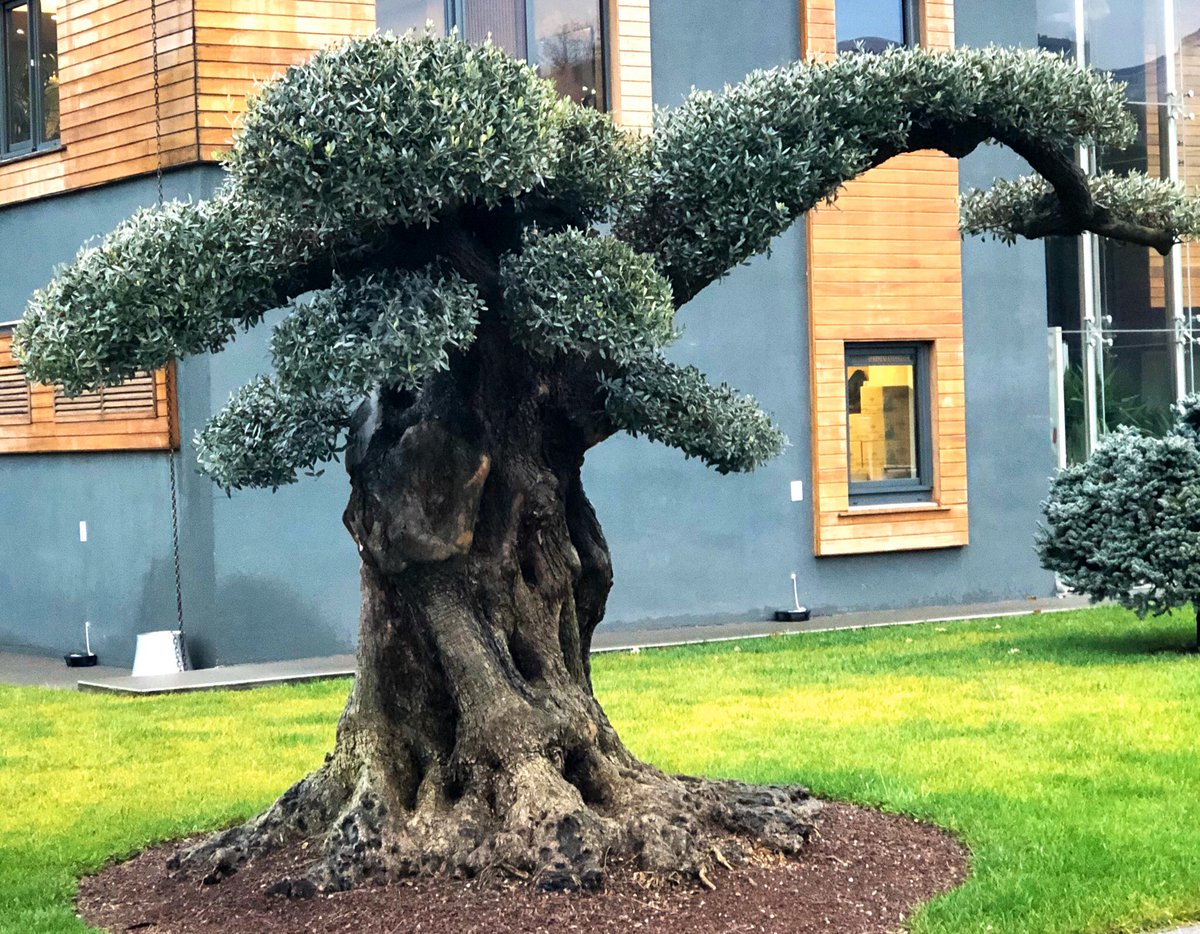
The olive tree is not only an agricultural plant; it has now become a strong landscape symbol. In 2025, it is frequently used on terraces, in courtyards, and in luxury residential gardens. With its slow growth, durability, and timeless character, it adds depth to a space. It is also very suitable for container use.
10. Spanish Broom (Spartium junceum)
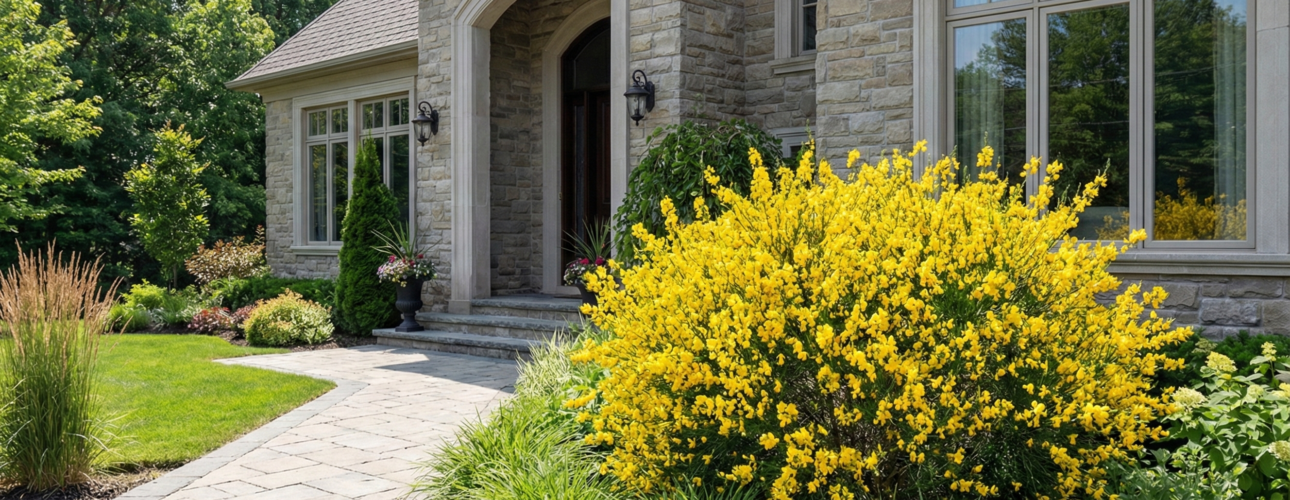
Spanish broom stands out especially for sloped areas and landscapes that require low maintenance. While it creates a strong seasonal emphasis with its yellow flowers, it also fits sustainable designs thanks to its drought tolerance. In 2025, it is seen more along roadsides, on slopes, and in natural-looking gardens.
What to Consider When Choosing Ornamental Plants in 2025?
Plant preferences in 2025 show that the question is no longer “which plant is the showiest?” Instead, these questions come forward more often:
Does this plant fit the climate it is in, what is the maintenance load, can it converse with the architecture of the space, what does it say across four seasons?
For this reason, all of the species above stand out as plants that perform well within the triangle of aesthetics + resilience + sustainability.
Frequently Asked Questions
Which ornamental plants require the least maintenance in 2025?
Lavender, rosemary, Spanish broom, and ornamental grasses stand out with low maintenance needs.
Which ornamental plants are suitable for small gardens?
Japanese maple, taflan, and potted olive are suitable for controlled use in small areas.
Which ornamental plants are preferred for modern gardens?
Taflan, ornamental grasses, lavender, and the olive tree are species that align well with modern architecture.


