

Hızlı Git
Fast-Growing Tree Species are ideal for anyone who wants to create greener spaces in a short time. These trees can be used in private gardens as well as public landscapes, depending on site conditions and maintenance capacity (1). Below are 10 of the most commonly preferred fast-growing tree species in Turkey, with practical notes to help you choose the right one.
1. Plane Tree (Platanus)

The plane tree is a broadleaf, fast-growing species with about 8 species worldwide. It can live up to ~200 years and reach around 35 meters, which is why it is widely used in streets and large parks.
- Fast growth rate
- Broadleaf canopy, strong shade
- About 8 species worldwide
- Can live up to ~200 years
- Can reach ~35 m
- Tolerant to air pollution
- High humidity tolerance
- Common in cities
- Supports erosion control
2. Poplar (Populus)

Poplar is one of the classic Fast-Growing Tree Species, with roughly 40 species worldwide. Poplar trees generally thrive near water and in moist soils, and can grow up to around 50 meters.
- Fast growth rate
- About 40 species worldwide
- Can reach ~50 m
- Prefers moist sites
- Often found near water
- Broad, thick leaves
- Good at filtering dust and air particulates
- Fast-developing root system
- Used in wood and paper industries
- Relatively wind-tolerant when established
3. Leyland Cypress (Cupressus × leylandii)
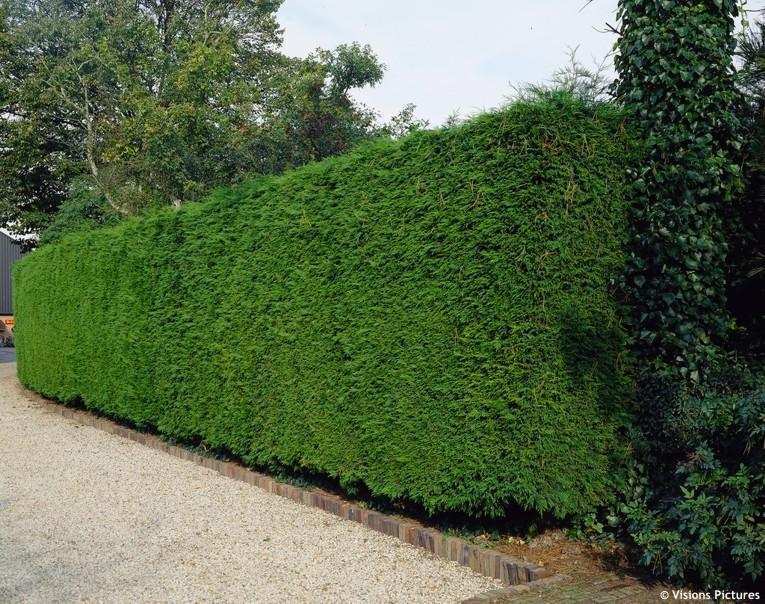
Leyland cypress is a fast-growing conifer that can reach around 20 meters. It is typically used as a windbreak and privacy screen, especially in housing areas and villa gardens.
- Fast growth rate
- Conifer foliage
- Can reach ~20 m
- Used as windbreak
- Creates strong privacy
- Dense branching habit
- Green-blue foliage tones
- Evergreen year-round
- Tolerant of lower-quality soils
- Common in ornamental gardens
4. Acacia (Acacia / Robinia pseudoacacia)

Acacia is often referenced as a fast-growing group with many species globally. In Turkey, the landscape “acacia” most people see is commonly Robinia pseudoacacia (false acacia). It can grow around 10–20 meters and is relatively drought-tolerant once established.
- Fast growth rate
- Many species globally (genus level)
- Typically ~10–20 m
- Drought tolerance after establishment
- May have thorns depending on species
- Important for nectar and honey production
- Used in wood-related industries
- Adapts to various climate conditions
- Leaves can be used as fodder in some contexts
- Can be long-lived in suitable sites
5. Russian Olive (Elaeagnus angustifolia)
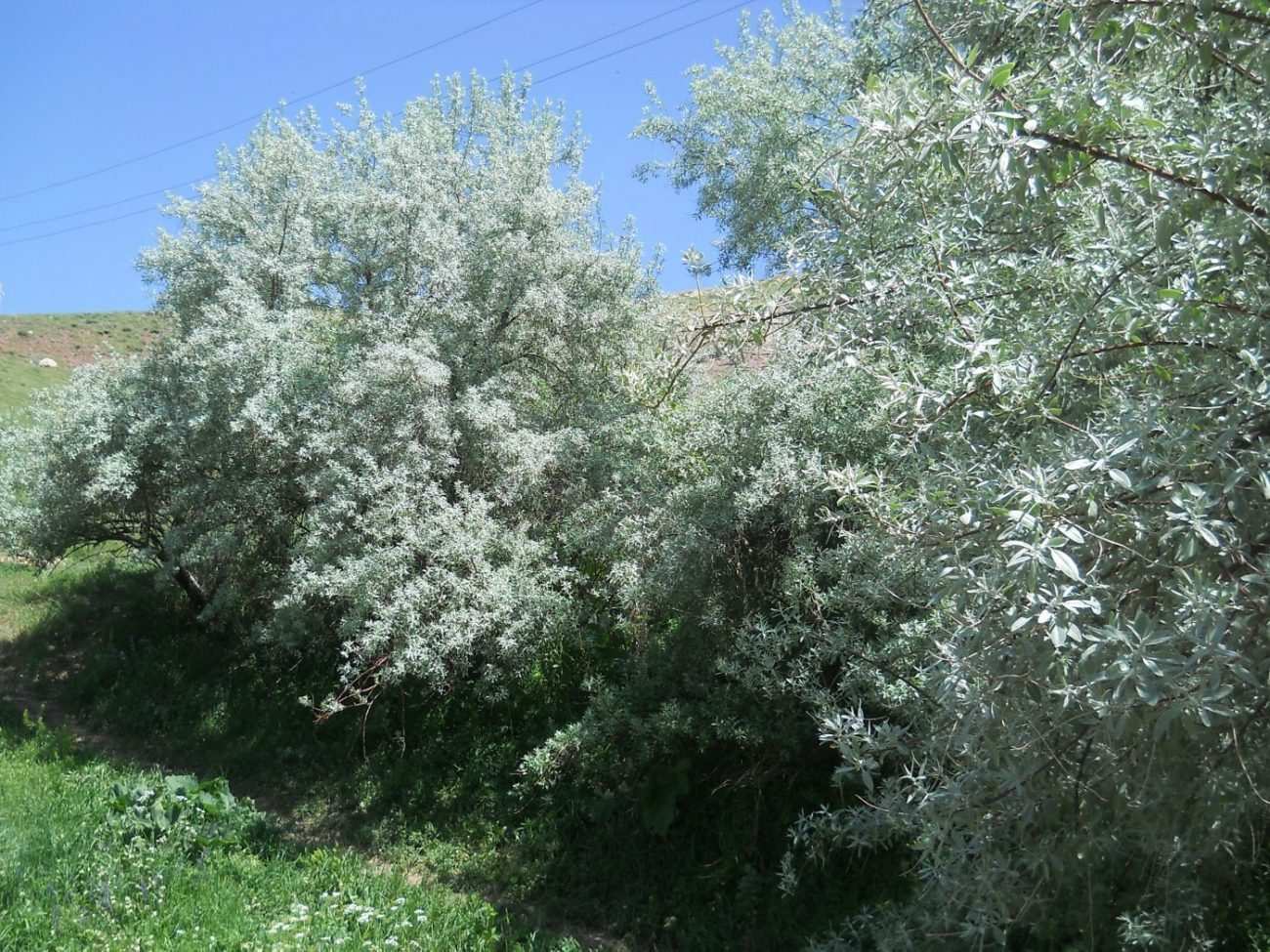
Russian olive is a fast-growing small tree that can reach around 7 meters. It is tolerant of drought and saline soils, and it produces edible fruit.
- Fast growth rate
- Can reach ~7 m
- Tolerant of drought and salty soils
- Edible fruit
- Leaves used for ornamental texture
- Deciduous in winter
- Provides shelter for birds
- Seen in rural and urban contexts
- Tolerates partial shade
- Fragrant flowers
6. Honey Locust (Gleditsia triacanthos)
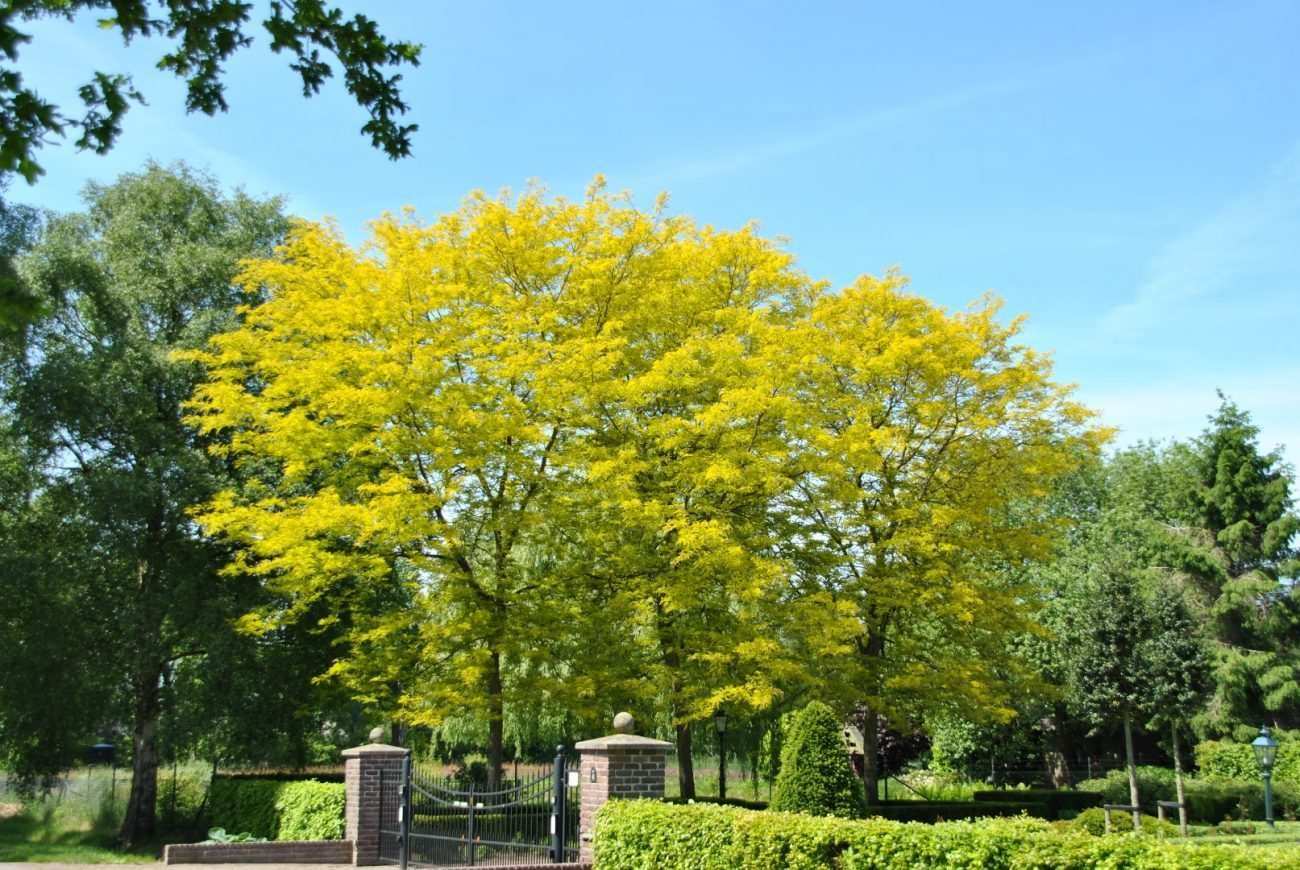
Honey locust is a fast-growing tree that can reach around 30 meters. It is known for strong roots and, in some forms, thorns. Many landscape cultivars are selected for cleaner urban use.
- Fast growth rate
- Can reach ~30 m
- Strong root system
- Can be thorny (depending on cultivar)
- High tolerance to air pollution
- Adapts to partial shade
- Used in wood-related applications
- Leaves can be fodder in some contexts
- Commonly planted in cities
- Tolerant to hot and dry climates
7. Willow (Salix)

Willows are fast-growing trees with over 400 species worldwide. Willows prefer moist areas and can grow roughly between 10–30 meters.
- Fast growth rate
- 400+ species worldwide
- Typically ~10–30 m
- Prefers moist soils
- Often near water
- Contains salicin (traditionally associated with analgesic use)
- Thin, flexible foliage
- Used in wood and paper industries
- Effective in erosion control
- Can support phytoremediation in some contexts
8. Judas Tree (Cercis)
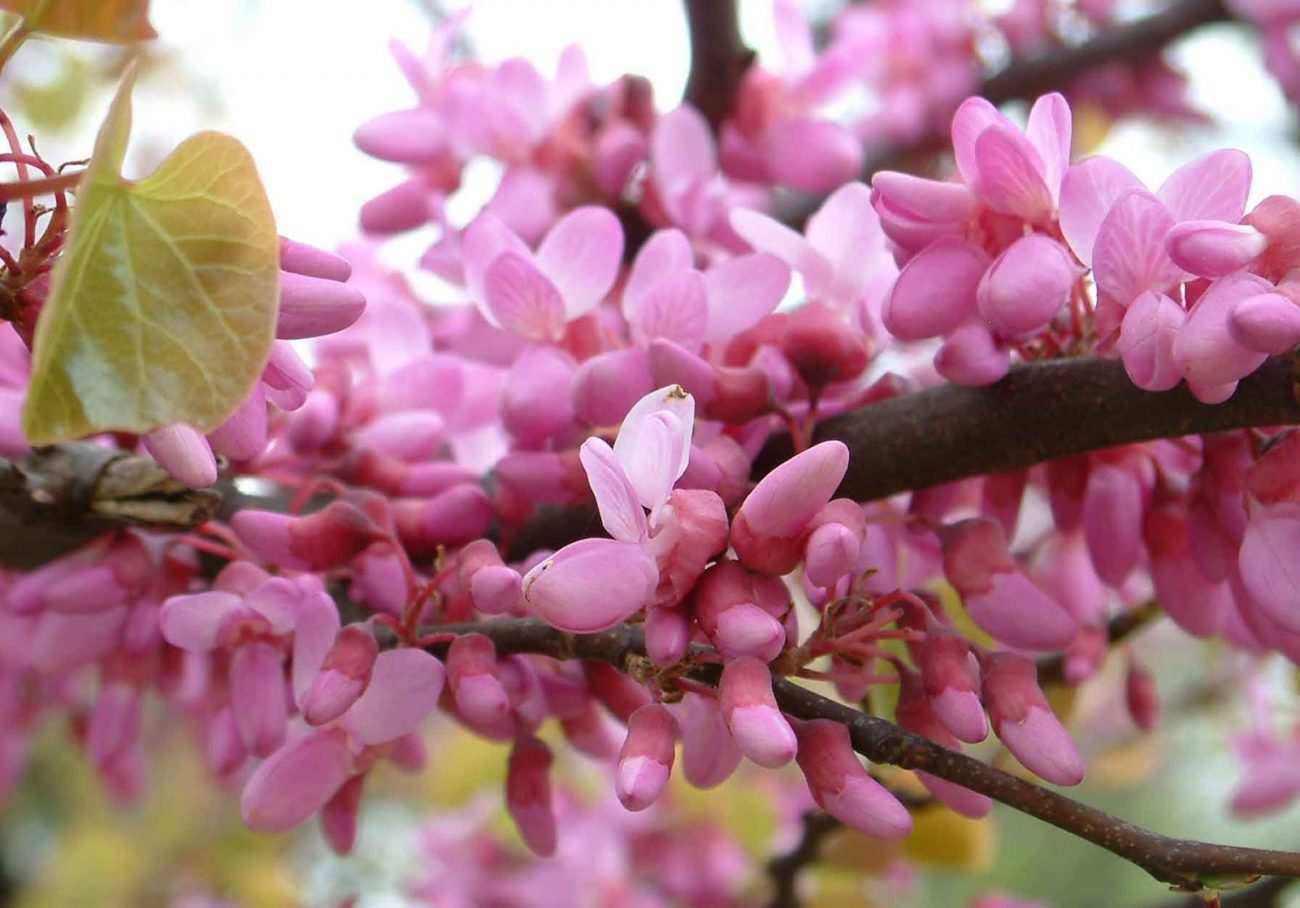
Judas tree is a fast-growing ornamental tree with about 10 species worldwide. Cercis can reach around 10–15 meters and produces colorful spring blooms.
- Fast growth rate
- About 10 species worldwide
- Typically ~10–15 m
- Colorful spring flowers
- Adapts to partial shade
- Preferred in ornamental gardens
- Attractive to butterflies and bees
- Heart-shaped broad leaves
- Suitable for parks and woodland edges
- Tolerant of cooler, humid climates in suitable sites
9. Pine (Pinus)

Pine is a fast-growing conifer group with 120+ species worldwide. Pines can grow roughly between 20–60 meters and often tolerate sandy soils.
- Fast growth rate (varies by species)
- 120+ species worldwide
- Typically ~20–60 m
- Conifer foliage
- Tolerant of sandy soils
- Evergreen year-round
- Used in timber and resin production
- Common in forests and parks
- Wind and storm tolerance (species-dependent)
- Can grow at higher elevations (species-dependent)
10. Privet (Ligustrum)
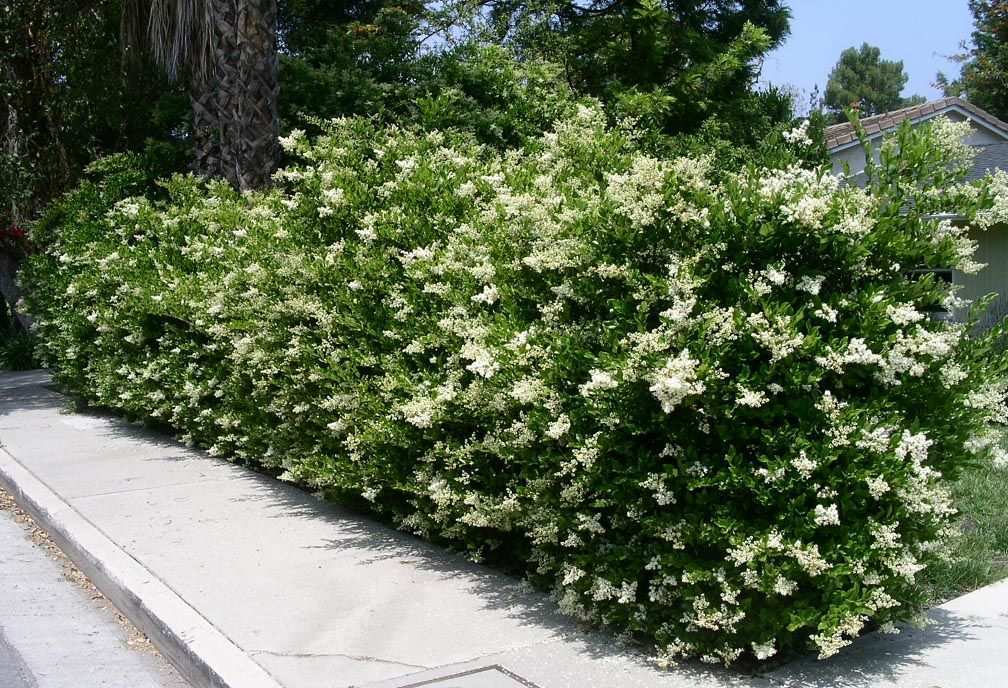
Privet is a fast-growing woody plant with 50+ species worldwide. It typically grows around 3–6 meters and is most commonly used as a hedge or screening plant.
- Fast growth rate
- 50+ species worldwide
- Typically ~3–6 m
- Widely used for hedges
- Ornamental foliage
- Adapts to partial shade
- Often evergreen or semi-evergreen (depending on climate/species)
- Preferred in ornamental gardens
- Tolerant of lower-quality soils
- Provides shelter for birds and butterflies
Benefits of Fast-Growing Tree Species
Fast-Growing Tree Species offer multiple benefits, especially for people who want quick green impact in gardens, parks, and streets. Here are the main advantages:
- Quick Green Coverage: They allow you to create large and noticeable green areas in a short period.
- Erosion Control: Strong root systems can stabilize soil and reduce erosion in suitable sites.
- Wind Protection: They can function as windbreaks to reduce wind stress in open landscapes.
- Privacy Screening: Fast-growing trees can create privacy barriers in gardens and residential areas.
- Climate Support: They can support climate regulation through carbon storage and oxygen production.
- Habitat Creation: They can quickly provide habitat for birds, butterflies, and other beneficial organisms.
- Visual Impact: They add immediate landscape character and a greener atmosphere.
- Timber and Fruit Potential: Some fast-growing trees can be used for timber or fruit production.
- Eco-Friendly Applications: They can be used in sustainable forestry and agroforestry scenarios.
- Economic Value: They may generate economic returns through wood, fruit, or related products.
These benefits make fast-growing trees important for both private gardens and public landscapes. They can support ecosystems and urban livability while also offering practical and economic value when matched with the right site and management.
Conclusion
Fast-Growing Tree Species are a strong choice for anyone aiming to green a space quickly. Because these trees can adapt to different climates and soil types, they can be used across private gardens and public projects in Turkey. The 10 species listed above stand out for their rapid development and practical landscape value, and they can help you build shade, screening, and ecological function faster than many slow-growing alternatives.


